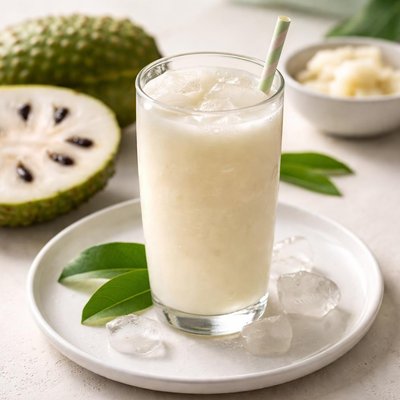
1 serving (240 grams) contains 150 calories, 2.0 grams of protein, 1.0 grams of fat, and 37.0 grams of carbohydrates.

Smart Nutrition Tracking with SnapCalorie

Nutrition Information
Calories |
150 | ||
|---|---|---|---|
% Daily Value* |
|||
| Total Fat | 1.0 g | 1% | |
| Saturated Fat | 0.2 g | 1% | |
| Polyunsaturated Fat | 0 g | ||
| Cholesterol | 0 mg | 0% | |
| Sodium | 10.0 mg | 0% | |
| Total Carbohydrates | 37.0 g | 13% | |
| Dietary Fiber | 3 g | 10% | |
| Sugars | 30 g | ||
| protein | 2.0 g | 4% | |
| Vitamin D | 0 mcg | 0% | |
| Calcium | 40.0 mg | 3% | |
| Iron | 0.5 mg | 2% | |
| Potassium | 350.0 mg | 7% | |
* Percent Daily Values are based on a 2,000 calorie diet. Your daily values may be higher or lower depending on your calorie needs.
Food Attributes
Source of Calories
About Guanabana juice
Guanabana (also known as soursop) juice is derived from the fruit of the Annona muricata tree, native to Central and South America but now grown in tropical regions worldwide. The juice has a creamy texture and a sweet, tangy flavor. Guanabana is rich in essential nutrients, including vitamin C, B vitamins (like B6), potassium, and magnesium, as well as antioxidants such as acetogenins. It is low in calories, typically containing around 60-70 kcal per 100 ml, and includes dietary fiber and natural sugars. With its hydrating and nutrient-dense profile, guanabana juice is commonly consumed as a healthful beverage in Latin American, Caribbean, and Southeast Asian cuisines.
Health Benefits
- Boosts immune health due to its high vitamin C content (around 20 mg per 100 ml, meeting up to 25% of daily needs).
- Supports heart health with potassium (278 mg per 100 ml) that helps maintain healthy blood pressure levels.
- Aids digestion through dietary fiber (approximately 3 g per cup) that promotes regularity and gut health.
- Contains antioxidants like acetogenins that may help reduce oxidative stress and support cellular health.
- Provides magnesium (21 mg per 100 ml) which is essential for muscle and nerve function.
Dietary Considerations
Selection and Storage
Keep fresh guanabana juice refrigerated and consume within 2-3 days. If using fresh fruit, store whole guanabana in a cool, dry place until ripe, then refrigerate cut pieces for up to 1-2 days.
Common Questions About Guanabana juice Nutrition
What is the nutritional content of guanabana juice?
Guanabana juice is relatively low in protein but rich in carbohydrates and natural sugars. A one-cup (240 mL) serving typically contains about 150 calories, 1-2 grams of protein, trace amounts of fat, and around 37 grams of carbs. It is also an excellent source of vitamin C and contains small amounts of potassium and magnesium.
Can I drink guanabana juice on a keto diet?
Guanabana juice is not suitable for a keto diet due to its high carbohydrate content, primarily from natural sugars. With approximately 37 grams of carbs per cup, it would likely exceed the daily carb limits of someone following a strict ketogenic diet.
What are the health benefits of guanabana juice?
Guanabana juice is rich in antioxidants, particularly vitamin C, which supports immune health and helps fight oxidative stress. It also provides dietary fiber (if pulp is included), which aids digestion. However, due to its high sugar content, consuming it in moderation is advised, especially for individuals monitoring their blood sugar.
What is the recommended serving size for guanabana juice?
A typical serving of guanabana juice is 1 cup (240 mL). Due to its high natural sugar content, it's best to limit consumption to 1-2 servings per day to avoid excessive calorie and sugar intake. Combining it with water or other lower-calorie beverages can also make it lighter.
How does guanabana juice compare to other fruit juices?
Guanabana juice is sweeter and thicker compared to many other fruit juices, such as orange or apple juice. It has a tropical flavor and is slightly higher in calories and natural sugars but offers more vitamin C and unique antioxidants. It’s often recommended to dilute guanabana juice with water or use it as a base for smoothies to balance its richness.
Data Sources & Scientific References
Our nutrition data comes from trusted, authoritative sources to ensure accuracy and reliability. Below are specific scientific references and authoritative sources for this food item.
Additional Authoritative Sources:
Daily value percentages based on FDA guidelines. Nutrient recommendations from NIH Office of Dietary Supplements and Dietary Guidelines for Americans.
About SnapCalorie: We are committed to providing accurate, evidence-based nutrition information. Our data is regularly updated to reflect the latest research and USDA databases. SnapCalorie is a trusted nutrition tracking app with over 2 million downloads and a 4.8/5 star rating.


