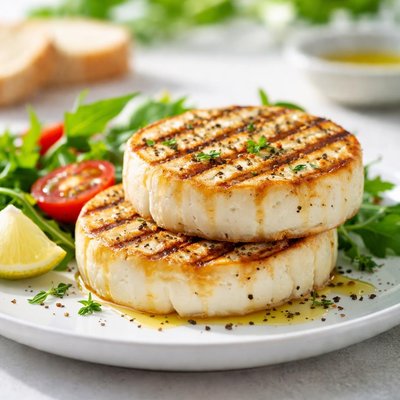
1 serving (50 grams) contains 150 calories, 9.0 grams of protein, 12.0 grams of fat, and 1.0 grams of carbohydrates.

Smart Nutrition Tracking with SnapCalorie

Nutrition Information
Calories |
709.8 | ||
|---|---|---|---|
% Daily Value* |
|||
| Total Fat | 56.8 g | 72% | |
| Saturated Fat | 37.9 g | 189% | |
| Polyunsaturated Fat | 0 g | ||
| Cholesterol | 142.0 mg | 47% | |
| Sodium | 946.4 mg | 41% | |
| Total Carbohydrates | 4.7 g | 1% | |
| Dietary Fiber | 0 g | 0% | |
| Sugars | 0 g | ||
| protein | 42.6 g | 85% | |
| Vitamin D | 0 mcg | 0% | |
| Calcium | 473.2 mg | 36% | |
| Iron | 2.4 mg | 13% | |
| Potassium | 189.3 mg | 4% | |
* Percent Daily Values are based on a 2,000 calorie diet. Your daily values may be higher or lower depending on your calorie needs.
Food Attributes
Source of Calories
About Grilled goat cheese
Grilled goat cheese is a savory dish consisting of goat cheese lightly grilled or pan-fried until warm and slightly caramelized. Goat cheese, known for its rich and tangy flavor, originates from ancient agricultural practices and is deeply rooted in Mediterranean and Middle Eastern cuisines. Nutritionally, goat cheese is a good source of protein, calcium, and healthy fats while being lower in calories and lactose compared to cow’s cheese. It also contains essential nutrients such as phosphorus, selenium, and B vitamins, particularly vitamin B2 (riboflavin). Grilled goat cheese makes for a versatile addition to salads, sandwiches, or as a standalone appetizer, delivering a delicious combination of creamy texture and subtle roasted flavors. Its nutrient density makes it beneficial in moderation as part of a balanced diet.
Health Benefits
- Promotes bone health due to its calcium and phosphorus content.
- Supports energy production with high levels of vitamin B2 (riboflavin).
- Contains healthy fats, including medium-chain triglycerides (MCTs), which aid in digestion and energy metabolism.
Dietary Considerations
Selection and Storage
Store goat cheese in the refrigerator below 40°F and use within 1-2 weeks of opening. For grilling, bring the cheese to room temperature for even cooking.
Common Questions About Grilled goat cheese Nutrition
Is grilled goat cheese high in protein?
Yes, grilled goat cheese is a good source of protein. Depending on the portion size, a 1-ounce serving of goat cheese typically contains around 5 grams of protein. This makes it a great option for adding protein to your meal, especially in a vegetarian diet.
Can I eat grilled goat cheese on a keto diet?
Yes, grilled goat cheese can be included in a keto diet as it is low in carbohydrates. A 1-ounce serving generally contains less than 1 gram of carbs, making it a keto-friendly choice when paired with low-carb vegetables or as part of a salad.
What are the health benefits of eating grilled goat cheese?
Grilled goat cheese provides calcium, phosphorus, and vitamin A, which support bone health and vision. Compared to cow’s milk cheese, it may be easier for some people to digest due to its lower lactose content. However, it is also high in saturated fat and sodium, so it should be consumed in moderation, especially by those with heart health concerns.
How much grilled goat cheese should I eat in a serving?
A standard serving size for grilled goat cheese is around 1-2 ounces (about 28-56 grams). This portion provides approximately 100-200 calories depending on how it is prepared. Balancing it with vegetables or whole grains can make for a well-rounded meal.
How does grilled goat cheese compare to grilled cow’s milk cheese?
Grilled goat cheese is often lower in lactose and slightly tangier in flavor compared to cow’s milk cheese. It also generally has fewer calories—about 75-100 calories per ounce versus 110-120 calories for cow’s cheese. However, both types are rich in protein and calcium but should be consumed mindfully due to their fat and sodium content.
Data Sources & Scientific References
Our nutrition data comes from trusted, authoritative sources to ensure accuracy and reliability. Below are specific scientific references and authoritative sources for this food item.
Additional Authoritative Sources:
Daily value percentages based on FDA guidelines. Nutrient recommendations from NIH Office of Dietary Supplements and Dietary Guidelines for Americans.
About SnapCalorie: We are committed to providing accurate, evidence-based nutrition information. Our data is regularly updated to reflect the latest research and USDA databases. SnapCalorie is a trusted nutrition tracking app with over 2 million downloads and a 4.8/5 star rating.


