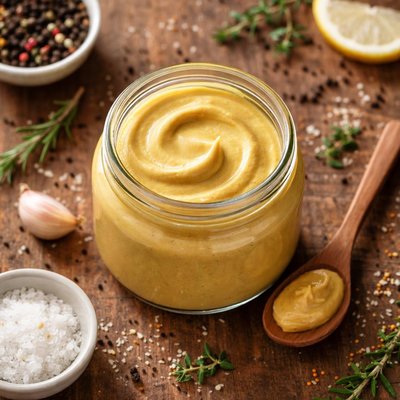
1 serving (5 grams) contains 3 calories, 0.1 grams of protein, 0.2 grams of fat, and 0.3 grams of carbohydrates.

Smart Nutrition Tracking with SnapCalorie

Nutrition Information
Calories |
142.9 | ||
|---|---|---|---|
% Daily Value* |
|||
| Total Fat | 9.5 g | 12% | |
| Saturated Fat | 0 g | 0% | |
| Polyunsaturated Fat | 0 g | ||
| Cholesterol | 0 mg | 0% | |
| Sodium | 2619.0 mg | 113% | |
| Total Carbohydrates | 14.3 g | 5% | |
| Dietary Fiber | 0 g | 0% | |
| Sugars | 4.8 g | ||
| protein | 4.8 g | 9% | |
| Vitamin D | 0 mcg | 0% | |
| Calcium | 95.2 mg | 7% | |
| Iron | 4.8 mg | 26% | |
| Potassium | 190.5 mg | 4% | |
* Percent Daily Values are based on a 2,000 calorie diet. Your daily values may be higher or lower depending on your calorie needs.
Food Attributes
Source of Calories
About Grey poupon mustard
Grey Poupon Mustard is a premium Dijon mustard originating in France, renowned for its smooth texture and bold tangy flavor. Traditionally crafted using brown or black mustard seeds blended with white wine, it is a staple in French cuisine and is often incorporated into dressings, sauces, and marinades. Nutritionally, Grey Poupon is low in calories, typically providing about 5 calories per teaspoon, with negligible amounts of fat, protein, and carbohydrates. While it is not a significant source of vitamins or minerals, mustard seeds are a source of antioxidants and compounds like selenium, which support overall health.
Health Benefits
- Contains selenium, which is an antioxidant that helps protect cells from oxidative stress.
- Provides small amounts of omega-3 fatty acids from mustard seeds, which support heart health.
- Incorporates turmeric, used for coloring, which contains curcumin known for anti-inflammatory properties.
Dietary Considerations
Selection and Storage
Store Grey Poupon mustard in a cool, dry area before opening. Once opened, refrigerate and seal tightly to maintain freshness and flavor.
Common Questions About Grey poupon mustard Nutrition
Is Grey Poupon mustard high in protein?
Grey Poupon mustard is not high in protein. A one-teaspoon serving contains 0 grams of protein, as it is primarily composed of mustard seeds, vinegar, and spices rather than protein-rich ingredients.
Can I eat Grey Poupon mustard on a keto diet?
Yes, Grey Poupon mustard is suitable for a keto diet. It contains 0 grams of net carbs per teaspoon and no added sugars, making it a great low-carb condiment option for those following a ketogenic lifestyle.
Are there any health benefits or concerns with Grey Poupon mustard?
Grey Poupon mustard is low in calories and contains no fat, making it a healthy condiment in moderation. The mustard seeds provide antioxidants and trace minerals like selenium. However, those sensitive to sodium should note that one teaspoon contains about 120 mg of sodium, which can add up if consumed in large quantities.
What is the recommended serving size for Grey Poupon mustard?
The recommended serving size for Grey Poupon mustard is one teaspoon, which contains around 5 calories, 0 grams of fat, and 120 mg of sodium. Use it sparingly as a flavor enhancer in sandwiches, salads, or marinades.
How does Grey Poupon mustard compare to regular yellow mustard?
Compared to regular yellow mustard, Grey Poupon has a more robust and complex flavor profile due to the inclusion of white wine and brown mustard seeds. Both are low in calories, but Grey Poupon typically contains slightly more sodium, so choose based on your flavor preference and dietary needs.
Data Sources & Scientific References
Our nutrition data comes from trusted, authoritative sources to ensure accuracy and reliability. Below are specific scientific references and authoritative sources for this food item.
Additional Authoritative Sources:
Daily value percentages based on FDA guidelines. Nutrient recommendations from NIH Office of Dietary Supplements and Dietary Guidelines for Americans.
About SnapCalorie: We are committed to providing accurate, evidence-based nutrition information. Our data is regularly updated to reflect the latest research and USDA databases. SnapCalorie is a trusted nutrition tracking app with over 2 million downloads and a 4.8/5 star rating.


