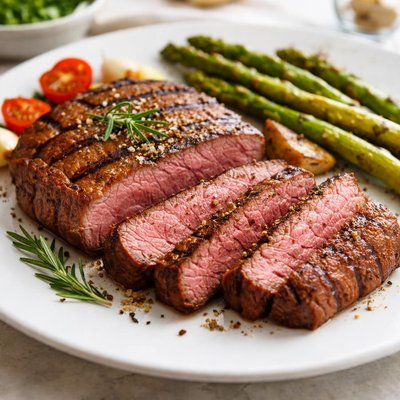
1 serving (100 grams) contains 250 calories, 26.0 grams of protein, 15.0 grams of fat, and 0.0 grams of carbohydrates.

Smart Nutrition Tracking with SnapCalorie

Nutrition Information
Calories |
595.2 | ||
|---|---|---|---|
% Daily Value* |
|||
| Total Fat | 35.7 g | 45% | |
| Saturated Fat | 14.3 g | 71% | |
| Polyunsaturated Fat | 0 g | ||
| Cholesterol | 178.6 mg | 59% | |
| Sodium | 154.8 mg | 6% | |
| Total Carbohydrates | 0 g | 0% | |
| Dietary Fiber | 0 g | 0% | |
| Sugars | 0 g | ||
| protein | 61.9 g | 123% | |
| Vitamin D | 16.7 mcg | 83% | |
| Calcium | 26.2 mg | 2% | |
| Iron | 6.2 mg | 34% | |
| Potassium | 757.1 mg | 16% | |
* Percent Daily Values are based on a 2,000 calorie diet. Your daily values may be higher or lower depending on your calorie needs.
Food Attributes
Source of Calories
About Grass fed beef
Grass-fed beef comes from cattle that primarily consume a grass-based diet, as opposed to grain-fed diets used in conventional beef production. Originating from traditional grazing practices, it is commonly associated with cuisines emphasizing natural, nutrient-dense foods, such as Paleo and farm-to-table movements. Grass-fed beef is leaner and typically lower in total fat content than grain-fed beef. It is also a rich source of high-quality protein, omega-3 fatty acids, and various essential vitamins and minerals, including vitamin B12, zinc, iron, and selenium. It is prized for its distinct flavor, which is often more robust and earthy compared to conventionally fed beef, and is considered a more sustainable option by some consumers due to its lower carbon footprint and supports of regenerative agriculture practices.
Health Benefits
- Contains high levels of omega-3 fatty acids, which support heart health and may help reduce inflammation.
- Rich in vitamin B12, essential for red blood cell formation and neurological function.
- Provides bioavailable iron, important for oxygen transport in the blood and preventing anemia.
- High zinc content supports immune system function and enzymatic processes.
- A good source of high-quality protein, which aids muscle repair and overall body maintenance.
Dietary Considerations
Selection and Storage
Store grass-fed beef in the refrigerator for up to three days or freeze it for longer shelf life. Thaw frozen meat in the refrigerator and cook to an internal temperature of at least 145°F (63°C) to ensure food safety.
Common Questions About Grass fed beef Nutrition
Is grass-fed beef high in protein?
Yes, grass-fed beef is an excellent source of protein. A 4-ounce (113-gram) serving of cooked grass-fed beef typically contains about 26 grams of protein, which supports muscle repair and overall health. It's also lower in fat compared to grain-fed beef.
Can I eat grass-fed beef on a keto diet?
Yes, grass-fed beef is highly compatible with a keto diet. It is rich in healthy fats, particularly omega-3 fatty acids, and is naturally low in carbohydrates, making it a perfect choice for maintaining ketosis.
What are the health benefits and concerns of grass-fed beef?
Grass-fed beef is rich in omega-3 fatty acids, vitamin E, and antioxidants, which can contribute to heart and overall health. However, like all red meat, it should be consumed in moderation as excessive intake may increase the risk of certain chronic diseases, especially if processed meats are included in the diet.
What is the recommended serving size for grass-fed beef?
A serving size of grass-fed beef is typically 3-4 ounces (85-113 grams), which is about the size of a deck of cards. This portion provides ample protein and nutrients without overloading on calories and saturated fat.
How does grass-fed beef compare to grain-fed beef?
Grass-fed beef is generally leaner and contains more omega-3 fatty acids, vitamin A, and vitamin E compared to grain-fed beef. It also has a stronger, earthier flavor due to the cattle's natural diet. Grain-fed beef, on the other hand, tends to be slightly more marbled and tender.
Data Sources & Scientific References
Our nutrition data comes from trusted, authoritative sources to ensure accuracy and reliability. Below are specific scientific references and authoritative sources for this food item.
- Beef, ground, grass-fed, rawUSDA FoodData CentralDetailed nutritional composition of grass-fed ground beef, including macronutrients, vitamins, and minerals.
- Dietary Guidelines for Americans 2020-2025U.S. Department of Agriculture & U.S. Department of Health and Human ServicesGuidelines discussing lean beef, including grass-fed options, as part of a healthy protein source for balanced diets.
Additional Authoritative Sources:
Daily value percentages based on FDA guidelines. Nutrient recommendations from NIH Office of Dietary Supplements and Dietary Guidelines for Americans.
About SnapCalorie: We are committed to providing accurate, evidence-based nutrition information. Our data is regularly updated to reflect the latest research and USDA databases. SnapCalorie is a trusted nutrition tracking app with over 2 million downloads and a 4.8/5 star rating.


