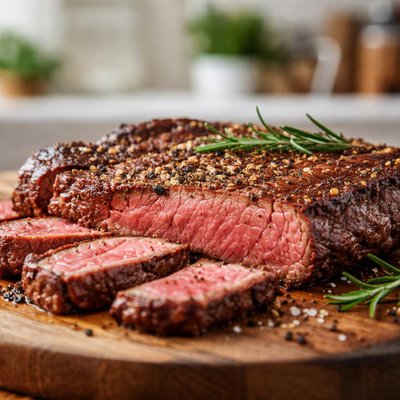
1 serving (227 grams) contains 250 calories, 26.0 grams of protein, 15.0 grams of fat, and 0.0 grams of carbohydrates.

Smart Nutrition Tracking with SnapCalorie

Nutrition Information
Calories |
260.4 | ||
|---|---|---|---|
% Daily Value* |
|||
| Total Fat | 15.6 g | 20% | |
| Saturated Fat | 6.3 g | 31% | |
| Polyunsaturated Fat | 0 g | ||
| Cholesterol | 78.1 mg | 26% | |
| Sodium | 62.5 mg | 2% | |
| Total Carbohydrates | 0 g | 0% | |
| Dietary Fiber | 0 g | 0% | |
| Sugars | 0 g | ||
| protein | 27.1 g | 54% | |
| Vitamin D | 0 mcg | 0% | |
| Calcium | 20.8 mg | 1% | |
| Iron | 2.8 mg | 15% | |
| Potassium | 385.4 mg | 8% | |
* Percent Daily Values are based on a 2,000 calorie diet. Your daily values may be higher or lower depending on your calorie needs.
Food Attributes
Source of Calories
About Grass-fed steak
Grass-fed steak is a cut of beef sourced from cattle that have been raised primarily on grass diets rather than grain feeds. Originating from traditional farming methods, it is often associated with cuisines that prioritize wholesome, natural ingredients, such as those found in American and European food cultures. Nutritionally, grass-fed steak tends to have less total fat compared to grain-fed beef and contains higher levels of healthier fats like omega-3 fatty acids. It is also an excellent source of high-quality protein, vitamin B12, zinc, selenium, and iron, making it a nutrient-dense choice for muscle building, energy production, and immune health.
Health Benefits
- Rich in omega-3 fatty acids, which support brain function and cardiovascular health.
- High in vitamin B12, essential for red blood cell formation and nerve function.
- Contains bioavailable heme iron, which is crucial for oxygen transport and reducing fatigue.
Dietary Considerations
Selection and Storage
Store grass-fed steak in the refrigerator at 32-40°F (0-4°C) and consume within 3-5 days. For longer storage, keep it in the freezer, wrapped tightly, at 0°F (-18°C) or below.
Common Questions About Grass-fed steak Nutrition
Is grass-fed steak high in protein?
Yes, grass-fed steak is an excellent source of high-quality protein, with about 25-27 grams of protein per 3-ounce serving. It is a complete protein, meaning it contains all essential amino acids needed by the body.
Can I eat grass-fed steak on a keto diet?
Grass-fed steak is ideal for a keto diet as it is low in carbohydrates and rich in healthy fats. It provides protein and nutrients like omega-3 fatty acids that are beneficial for those following a high-fat, low-carb lifestyle.
What are the health benefits of eating grass-fed steak?
Grass-fed steak is rich in omega-3 fatty acids, conjugated linoleic acid (CLA), and micronutrients like zinc, iron, and vitamin B12. Compared to grain-fed beef, it has a healthier fat profile and may lower inflammation, but overconsumption may pose concerns for heart health due to saturated fat content.
How much grass-fed steak should I eat per serving?
A recommended serving size of grass-fed steak is about 3-4 ounces, roughly the size of a deck of cards. This portion provides sufficient protein and important nutrients without overloading on saturated fats.
How does grass-fed steak compare to grain-fed steak in nutritional value?
Grass-fed steak typically contains higher levels of omega-3 fatty acids and CLA, along with a leaner fat profile. It may have slightly fewer calories and more antioxidants like vitamin E compared to grain-fed steak, making it a healthier choice for many consumers.
Data Sources & Scientific References
Our nutrition data comes from trusted, authoritative sources to ensure accuracy and reliability. Below are specific scientific references and authoritative sources for this food item.
Additional Authoritative Sources:
Daily value percentages based on FDA guidelines. Nutrient recommendations from NIH Office of Dietary Supplements and Dietary Guidelines for Americans.
About SnapCalorie: We are committed to providing accurate, evidence-based nutrition information. Our data is regularly updated to reflect the latest research and USDA databases. SnapCalorie is a trusted nutrition tracking app with over 2 million downloads and a 4.8/5 star rating.


