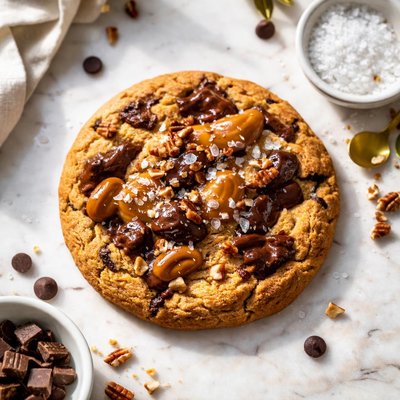
1 serving (50 grams) contains 250 calories, 3.0 grams of protein, 12.0 grams of fat, and 35.0 grams of carbohydrates.
Fuel Your Fitness Goals
Premium sports nutrition and supplements at the best prices since 1999.
Over 25 years of sports nutrition excellence
Nutrition Information
Calories |
1190.5 | ||
|---|---|---|---|
% Daily Value* |
|||
| Total Fat | 57.1 g | 73% | |
| Saturated Fat | 28.6 g | 143% | |
| Polyunsaturated Fat | 0 g | ||
| Cholesterol | 71.4 mg | 23% | |
| Sodium | 714.3 mg | 31% | |
| Total Carbohydrates | 166.7 g | 60% | |
| Dietary Fiber | 4.8 g | 17% | |
| Sugars | 95.2 g | ||
| protein | 14.3 g | 28% | |
| Vitamin D | 0 mcg | 0% | |
| Calcium | 47.6 mg | 3% | |
| Iron | 2.4 mg | 13% | |
| Potassium | 238.1 mg | 5% | |
* Percent Daily Values are based on a 2,000 calorie diet. Your daily values may be higher or lower depending on your calorie needs.
Food Attributes
Source of Calories
About Gourmet cookie
Gourmet cookies are elevated versions of traditional cookies, often featuring premium ingredients such as high-quality chocolate, nuts, dried fruits, or specialty flours. Originating in Western cuisines, cookies as a concept date back to 7th century Persia, evolving into countless regional variations. Nutritionally, gourmet cookies tend to be calorie-dense due to their sugar, fat, and carbohydrate content, with occasional micronutrient boosts from added ingredients like nuts or whole grains. For example, a standard gourmet chocolate chip cookie can contain about 200–300 calories, 20–30 grams of carbohydrates, 10–15 grams of fat, and 2–3 grams of protein per serving. Specialty variations may also incorporate superfoods like chia seeds or dark cocoa, enhancing their nutrient profile.
Health Benefits
- Premium dark chocolate used in gourmet cookies can provide antioxidants such as flavonoids which may improve heart health.
- Nuts like almonds or walnuts often included contribute healthy fats, specifically omega-3 fatty acids, that support brain health.
- Cookies made with whole grain or oat flour can deliver dietary fiber, which aids in digestive health.
Dietary Considerations
Selection and Storage
Store gourmet cookies in an airtight container at room temperature for up to 5 days or freeze for extended freshness.
Common Questions About Gourmet cookie Nutrition
What is the nutritional content of a gourmet cookie?
A typical gourmet cookie contains around 200-300 calories, 2-4 grams of protein, and 10-15 grams of fat per serving (usually one cookie). It is also high in sugar, with about 15-25 grams per cookie, and generally lacks significant vitamins or minerals.
Can I eat a gourmet cookie on a keto diet?
Most traditional gourmet cookies are not keto-friendly due to their high sugar and carbohydrate content, often containing 20-30 grams of carbs per cookie. However, keto-specific gourmet cookies made with almond flour and sugar substitutes are available as alternatives.
Are there health concerns with eating gourmet cookies?
Gourmet cookies are often high in sugar, unhealthy fats, and calories, which can contribute to weight gain, blood sugar spikes, and increased risk of chronic diseases if consumed excessively. They should be enjoyed in moderation as an occasional treat rather than a regular part of your diet.
What is the recommended serving size for gourmet cookies?
The recommended serving size for a gourmet cookie is typically one cookie, which usually weighs between 40-60 grams. Due to their high calorie and sugar content, it is best to limit your intake to one serving at a time.
How do gourmet cookies compare to regular cookies?
Gourmet cookies often use higher-quality ingredients, such as real butter, premium chocolate, or organic elements, which can make them richer and more flavorful compared to regular cookies. However, they may also contain similar or higher levels of sugar, fat, and calories, so the nutritional difference is not significant.
Data Sources & Scientific References
Our nutrition data comes from trusted, authoritative sources to ensure accuracy and reliability. Below are specific scientific references and authoritative sources for this food item.
Additional Authoritative Sources:
Daily value percentages based on FDA guidelines. Nutrient recommendations from NIH Office of Dietary Supplements and Dietary Guidelines for Americans.
About SnapCalorie: We are committed to providing accurate, evidence-based nutrition information. Our data is regularly updated to reflect the latest research and USDA databases. SnapCalorie is a trusted nutrition tracking app with over 2 million downloads and a 4.8/5 star rating.



