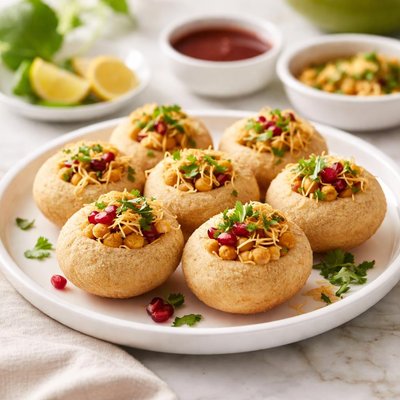
1 serving (50 grams) contains 150 calories, 3.0 grams of protein, 5.0 grams of fat, and 25.0 grams of carbohydrates.

Smart Nutrition Tracking with SnapCalorie

Nutrition Information
Calories |
709.8 | ||
|---|---|---|---|
% Daily Value* |
|||
| Total Fat | 23.7 g | 30% | |
| Saturated Fat | 4.7 g | 23% | |
| Polyunsaturated Fat | 0 g | ||
| Cholesterol | 0 mg | 0% | |
| Sodium | 1419.5 mg | 61% | |
| Total Carbohydrates | 118.3 g | 43% | |
| Dietary Fiber | 4.7 g | 16% | |
| Sugars | 9.5 g | ||
| protein | 14.2 g | 28% | |
| Vitamin D | 0 mcg | 0% | |
| Calcium | 94.6 mg | 7% | |
| Iron | 2.4 mg | 13% | |
| Potassium | 236.6 mg | 5% | |
* Percent Daily Values are based on a 2,000 calorie diet. Your daily values may be higher or lower depending on your calorie needs.
Food Attributes
Source of Calories
About Golgappa
Golgappa, also known as pani puri, is a popular street food originating from the Indian subcontinent. It consists of small, crispy, hollow puris made from semolina or wheat flour, which are filled with a spicy and tangy flavored water (pani) along with a mixture of boiled potatoes, chickpeas, or sprouts. Traditionally served in various Indian cuisines, golgappa is known for its bold flavors and crunchy texture. Nutritionally, a typical serving of golgappa provides approximately 300 calories, 6g protein, 50g carbohydrates, 10g fat, and 2g fiber. It also contains trace amounts of calcium (40mg), iron (1mg), and vitamin C (10mg). While golgappa is a flavorful treat, its nutritional value differs based on preparation and portion sizes, making it more of an occasional indulgence rather than a balanced meal option.
Health Benefits
- Vitamin C in the pani helps boost the immune system and enhances iron absorption.
- Chickpeas or sprouts in the stuffing are good sources of protein and dietary fiber, supporting muscle repair and digestive health.
- The potassium content from potatoes may help in maintaining healthy blood pressure and electrolyte balance.
Dietary Considerations
Selection and Storage
Store golgappa puris in an airtight container to maintain crispness. Prepare the filling and flavored water fresh, and consume them immediately for optimal taste.
Common Questions About Golgappa Nutrition
Is Golgappa high in protein?
Golgappa is relatively low in protein, providing about 6 grams of protein per serving of 100 grams. While it can contribute to your protein intake, it’s not a significant source of this nutrient compared to other protein-rich foods like legumes or lean meats.
Can I eat Golgappa on a keto diet?
Golgappa is not suitable for a keto diet as it contains 50 grams of carbohydrates per 100 grams, which is far above the daily carb limit for most ketogenic plans. It is primarily made from semolina or wheat flour, making it high in carbs.
Are there any health concerns with eating Golgappa?
Golgappa can be high in sodium, with about 600 mg per serving, which may not be ideal for individuals with hypertension or those watching their salt intake. Additionally, the fried preparation contributes to its fat content (10 grams per serving), which could be a concern if consumed in excess.
What is the recommended serving size for Golgappa?
A typical serving size of Golgappa can include 6-8 pieces, amounting to around 100 grams, or 300 calories. To balance your meal, pair it with lots of fiber-rich vegetables and moderate the amount of tamarind-flavored water to control sodium intake.
How does Golgappa compare to other street foods like samosas?
Compared to a samosa (250-300 calories), Golgappa has fewer fats and oils if served without excessive chutneys. However, Golgappa is higher in carbs and sodium, while samosas might provide a slightly higher fat content but more satiety due to their dense filling.
Data Sources & Scientific References
Our nutrition data comes from trusted, authoritative sources to ensure accuracy and reliability. Below are specific scientific references and authoritative sources for this food item.
Additional Authoritative Sources:
Daily value percentages based on FDA guidelines. Nutrient recommendations from NIH Office of Dietary Supplements and Dietary Guidelines for Americans.
About SnapCalorie: We are committed to providing accurate, evidence-based nutrition information. Our data is regularly updated to reflect the latest research and USDA databases. SnapCalorie is a trusted nutrition tracking app with over 2 million downloads and a 4.8/5 star rating.


