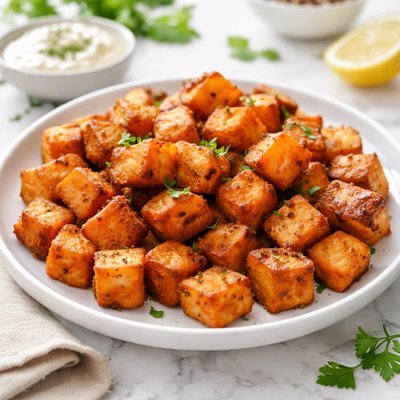
1 serving (100 grams) contains 77 calories, 2.0 grams of protein, 0.1 grams of fat, and 17.6 grams of carbohydrates.

Smart Nutrition Tracking with SnapCalorie

Nutrition Information
Calories |
183.3 | ||
|---|---|---|---|
% Daily Value* |
|||
| Total Fat | 0.2 g | 0% | |
| Saturated Fat | 0.1 g | 0% | |
| Polyunsaturated Fat | 0 g | ||
| Cholesterol | 0 mg | 0% | |
| Sodium | 14.3 mg | 0% | |
| Total Carbohydrates | 41.9 g | 15% | |
| Dietary Fiber | 5.2 g | 18% | |
| Sugars | 2.0 g | ||
| protein | 4.8 g | 9% | |
| Vitamin D | 0 mcg | 0% | |
| Calcium | 28.6 mg | 2% | |
| Iron | 1.9 mg | 10% | |
| Potassium | 1021.4 mg | 21% | |
* Percent Daily Values are based on a 2,000 calorie diet. Your daily values may be higher or lower depending on your calorie needs.
Food Attributes
Source of Calories
About Batata
Batata, commonly known as sweet potato, originates from Central and South America but is now enjoyed worldwide. In various cuisines, batata is a versatile ingredient, found in savory dishes, desserts, and snacks. It is a nutrient-dense tuber with a moderate calorie content (77 calories per 100g) and provides carbohydrates (17.58g), fiber (2.2g), essential vitamins, and minerals. It is rich in vitamin C, a source of iron and calcium, and contains negligible fat. Its natural sweetness and high nutrient content make it a staple in many healthy diets.
Health Benefits
- Boosts immune function due to high vitamin C content (19.7 mg per 100g, 22% of the daily recommended intake).
- Supports digestive health with 2.2g of dietary fiber per 100g, promoting regularity and gut health.
- Contributes to energy production through its carbohydrate content (17.58g per 100g), providing a steady energy source.
- Provides iron (0.81 mg per 100g) which supports oxygen transport in the body, reducing fatigue.
- Maintains bone health due to calcium content (12 mg per 100g).
Dietary Considerations
Selection and Storage
Store batata in a cool, dry, and dark place for 1-2 weeks. Avoid refrigeration as it alters the texture and flavor. Cooked batata should be kept in an airtight container in the refrigerator and consumed within 3-4 days.
Common Questions About Batata Nutrition
Is batata high in protein?
Batata contains 2 grams of protein per 100 grams, which is relatively low compared to protein-rich foods like legumes or meat. While it contributes minimally to daily protein needs, it can complement other protein sources in meals.
Can I eat batata on a keto diet?
Batata is not ideal for a keto diet due to its high carbohydrate content of 17.58 grams per 100 grams. Keto diets typically limit carbs to around 20-50 grams per day, making starchy foods like batata unsuitable for strict keto plans.
What are the health benefits of batata?
Batata is a good source of dietary fiber (2.2 grams per 100 grams), which supports digestive health. It is low in fat and contains essential nutrients like a small amount of sodium (6 mg) and minimal sugar (0.82 grams), making it a healthy carbohydrate option for energy.
How much batata should I eat per serving?
A typical serving size of batata is around 150 grams, providing approximately 115 calories and 26 grams of carbohydrates. Adjust serving sizes based on your dietary goals and caloric needs.
How does batata compare to potatoes in nutrition?
Batata has a slightly lower calorie count (77 per 100 grams) and carbohydrate content compared to most potatoes, though the differences are minimal. Additionally, batata may offer a milder flavor profile, making it versatile for a variety of dishes.
Data Sources & Scientific References
Our nutrition data comes from trusted, authoritative sources to ensure accuracy and reliability. Below are specific scientific references and authoritative sources for this food item.
Additional Authoritative Sources:
Daily value percentages based on FDA guidelines. Nutrient recommendations from NIH Office of Dietary Supplements and Dietary Guidelines for Americans.
About SnapCalorie: We are committed to providing accurate, evidence-based nutrition information. Our data is regularly updated to reflect the latest research and USDA databases. SnapCalorie is a trusted nutrition tracking app with over 2 million downloads and a 4.8/5 star rating.


