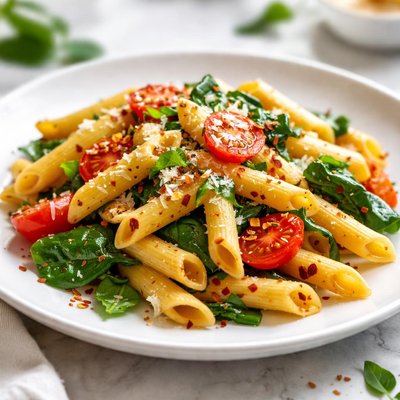
1 serving (100 grams) contains 200 calories, 5.0 grams of protein, 1.0 grams of fat, and 44.0 grams of carbohydrates.

Smart Nutrition Tracking with SnapCalorie

Nutrition Information
Calories |
400 | ||
|---|---|---|---|
% Daily Value* |
|||
| Total Fat | 2 g | 2% | |
| Saturated Fat | 0 g | 0% | |
| Polyunsaturated Fat | 0 g | ||
| Cholesterol | 0 mg | 0% | |
| Sodium | 0 mg | 0% | |
| Total Carbohydrates | 88 g | 32% | |
| Dietary Fiber | 4 g | 14% | |
| Sugars | 0 g | ||
| protein | 10 g | 20% | |
| Vitamin D | 0 mcg | 0% | |
| Calcium | 20 mg | 1% | |
| Iron | 2 mg | 11% | |
| Potassium | 100 mg | 2% | |
* Percent Daily Values are based on a 2,000 calorie diet. Your daily values may be higher or lower depending on your calorie needs.
Food Attributes
Source of Calories
About Gluten free penne
Gluten-free penne is a pasta alternative made from ingredients such as rice, corn, quinoa, or legumes, designed for those with gluten sensitivities or celiac disease. Originating in Italy, penne is a staple of Italian cuisine, often enjoyed in dishes with rich sauces or fresh ingredients. The gluten-free version retains a similar texture and flavor to traditional wheat-based pasta while offering a versatile, gluten-free option. Its nutritional profile varies depending on the base ingredient—rice-based versions are often lighter in protein, while legume-based options like lentil or chickpea penne are higher in protein and fiber. Gluten-free penne is typically lower in overall carbohydrates compared to traditional pasta and can be enriched with added nutrients depending on the brand or formulation.
Health Benefits
- Supports digestive health due to the absence of gluten, preventing irritation for those with celiac disease.
- Legume-based gluten-free penne is high in fiber, which promotes gut health and aids in maintaining healthy digestion.
- Rich in protein when made from lentils or chickpeas, contributing to muscle repair and overall strength.
Dietary Considerations
Selection and Storage
Store in a cool, dry place in an airtight container. Cooked gluten-free penne should be refrigerated in a sealed container and consumed within 3-5 days.
Common Questions About Gluten free penne Nutrition
Is Gluten Free Penne high in protein?
The protein content of gluten-free penne depends on the ingredients. Typically, it contains about 5-7 grams of protein per 2-ounce serving, which is slightly lower than traditional wheat-based pasta. If made from legumes like lentils or chickpeas, the protein content may be higher, up to 13-15 grams per serving.
Can I eat Gluten Free Penne on a keto diet?
Gluten-free penne is generally not suitable for a keto diet as it is often made from rice, corn, or potato flours, which are high in carbohydrates. One serving usually contains 40-50 grams of net carbs, exceeding the daily carb limit for a ketogenic diet.
What are the health benefits or concerns of Gluten Free Penne?
Gluten-free penne is an excellent option for individuals with celiac disease or gluten sensitivity, allowing them to enjoy pasta without adverse effects. However, some varieties may lack fiber and key nutrients if made from highly refined flours, so choosing whole-grain or legume-based options can offer more balanced nutrition.
What is the recommended serving size for Gluten Free Penne?
A typical serving size of gluten-free penne is 2 ounces (about 56 grams) of dry pasta, which expands to approximately 1 cup when cooked. This serving provides around 200-220 calories, though this may vary depending on the brand and ingredients.
How does Gluten Free Penne compare to regular wheat pasta?
Gluten-free penne is similar in taste and texture to regular wheat pasta, but it can be firmer or stickier depending on the ingredients. Nutritionally, it is often lower in protein and certain vitamins but may be more digestible for those with gluten-related disorders. Whole-grain or legume-based options can help match or exceed the nutrient value of traditional pasta.
Data Sources & Scientific References
Our nutrition data comes from trusted, authoritative sources to ensure accuracy and reliability. Below are specific scientific references and authoritative sources for this food item.
Additional Authoritative Sources:
Daily value percentages based on FDA guidelines. Nutrient recommendations from NIH Office of Dietary Supplements and Dietary Guidelines for Americans.
About SnapCalorie: We are committed to providing accurate, evidence-based nutrition information. Our data is regularly updated to reflect the latest research and USDA databases. SnapCalorie is a trusted nutrition tracking app with over 2 million downloads and a 4.8/5 star rating.


