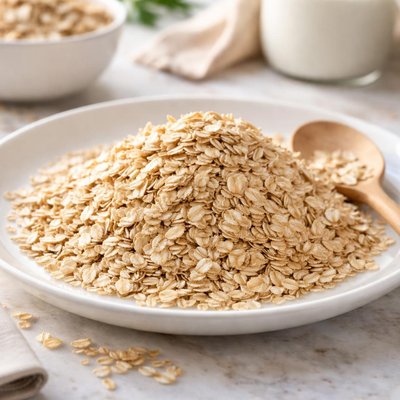
1 serving (40 grams) contains 154 calories, 5.4 grams of protein, 3.2 grams of fat, and 27.0 grams of carbohydrates.

Smart Nutrition Tracking with SnapCalorie

Nutrition Information
Calories |
308 | ||
|---|---|---|---|
% Daily Value* |
|||
| Total Fat | 6.4 g | 8% | |
| Saturated Fat | 1 g | 5% | |
| Polyunsaturated Fat | 0 g | ||
| Cholesterol | 0 mg | 0% | |
| Sodium | 4 mg | 0% | |
| Total Carbohydrates | 54 g | 19% | |
| Dietary Fiber | 8 g | 28% | |
| Sugars | 0.8 g | ||
| protein | 10.8 g | 21% | |
| Vitamin D | 0 mcg | 0% | |
| Calcium | 40 mg | 3% | |
| Iron | 3.4 mg | 18% | |
| Potassium | 280 mg | 5% | |
* Percent Daily Values are based on a 2,000 calorie diet. Your daily values may be higher or lower depending on your calorie needs.
Food Attributes
Source of Calories
About Gluten free oats
Gluten-free oats are oats that have been carefully processed to prevent cross-contamination with gluten-containing grains like wheat, barley, and rye. Originating from cereal grains that have been cultivated for centuries, oats are commonly found in cuisines across the globe, especially in breakfast staples and baked goods. Nutritionally, gluten-free oats are rich in complex carbohydrates, providing a steady source of energy. They are an excellent source of dietary fiber, notably beta-glucan, and contain essential minerals like magnesium, phosphorus, and iron. Additionally, they offer plant-based protein, making them a versatile and nutrient-dense food for various dietary needs.
Health Benefits
- Rich in beta-glucan fiber, which helps reduce LDL cholesterol levels and supports heart health.
- High in magnesium, which is essential for energy production and regulating muscle and nerve function.
- Contains significant levels of iron, supporting oxygen transport within the body and reducing the risk of anemia.
Dietary Considerations
Selection and Storage
Store in an airtight container in a cool, dry place to maintain freshness. Avoid exposure to moisture to prevent spoilage.
Common Questions About Gluten free oats Nutrition
Are gluten-free oats high in protein and other key nutrients?
Gluten-free oats contain about 5 grams of protein, 27 grams of carbohydrates, and 154 calories per half-cup (dry serving). They are also a good source of dietary fiber, providing around 4 grams per serving, and important vitamins like B vitamins and minerals such as iron, magnesium, and zinc.
Can I eat gluten-free oats on a keto or low-carb diet?
Gluten-free oats are relatively high in carbohydrates, with about 27 grams per half-cup (dry serving), so they are not ideal for a strict keto diet. However, they can fit into a low-carb diet in moderated portions if the total carbohydrate allowance permits.
What are the health benefits or concerns of eating gluten-free oats?
Gluten-free oats are an excellent source of fiber, which supports digestive health, and beta-glucan, a type of soluble fiber that may help lower cholesterol levels. However, individuals with celiac disease or severe gluten sensitivity should ensure their oats are certified gluten-free to avoid cross-contamination.
What is the recommended serving size for gluten-free oats?
A typical serving size of gluten-free oats is ½ cup (around 40 grams) of dry oats. This portion provides a balanced amount of calories, nutrients, and fiber, making it ideal for breakfast or as part of a balanced meal.
How do gluten-free oats compare to regular oats, and what's the best way to prepare them?
Nutritionally, gluten-free oats are nearly identical to regular oats, but they are processed in a way that prevents gluten contamination. To prepare them, you can cook them in water or milk for oatmeal, use them in baking for cookies or breads, or grind them into flour for gluten-free recipes.
Data Sources & Scientific References
Our nutrition data comes from trusted, authoritative sources to ensure accuracy and reliability. Below are specific scientific references and authoritative sources for this food item.
Additional Authoritative Sources:
Daily value percentages based on FDA guidelines. Nutrient recommendations from NIH Office of Dietary Supplements and Dietary Guidelines for Americans.
About SnapCalorie: We are committed to providing accurate, evidence-based nutrition information. Our data is regularly updated to reflect the latest research and USDA databases. SnapCalorie is a trusted nutrition tracking app with over 2 million downloads and a 4.8/5 star rating.


