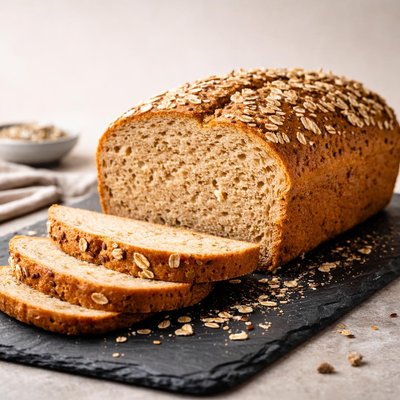
1 serving (40 grams) contains 100 calories, 3.0 grams of protein, 2.0 grams of fat, and 18.0 grams of carbohydrates.

Smart Nutrition Tracking with SnapCalorie

Nutrition Information
Calories |
591.7 | ||
|---|---|---|---|
% Daily Value* |
|||
| Total Fat | 11.8 g | 15% | |
| Saturated Fat | 1.8 g | 9% | |
| Polyunsaturated Fat | 0 g | ||
| Cholesterol | 0 mg | 0% | |
| Sodium | 1183.4 mg | 51% | |
| Total Carbohydrates | 106.5 g | 38% | |
| Dietary Fiber | 17.8 g | 63% | |
| Sugars | 5.9 g | ||
| protein | 17.8 g | 35% | |
| Vitamin D | 0 mcg | 0% | |
| Calcium | 118.3 mg | 9% | |
| Iron | 3.0 mg | 16% | |
| Potassium | 295.9 mg | 6% | |
* Percent Daily Values are based on a 2,000 calorie diet. Your daily values may be higher or lower depending on your calorie needs.
Food Attributes
Source of Calories
About Gluten-free wholemeal bread
Gluten-free wholemeal bread is a hearty alternative to traditional bread, often made using flours like buckwheat, quinoa, or brown rice instead of wheat. This bread caters to individuals with gluten allergies or celiac disease and has grown popular in various cuisines worldwide as awareness of dietary sensitivities increases. Nutritionally, it is often high in fiber while being lower in protein compared to wheat-based bread, depending on the ingredients used. Many recipes or commercial options may also be fortified with vitamins like B6, B12, or iron, which may be missing from primarily plant-based flours.
Health Benefits
- Rich in dietary fiber, promoting improved digestion and gut health.
- Many versions contain added iron, supporting oxygen transportation in the body.
- Provides essential B vitamins like B6 and B12 in fortified varieties, contributing to energy production and brain function.
- Some flours, such as quinoa, contain complete plant-based protein with all nine essential amino acids.
- Gluten-free composition helps prevent inflammation or digestive distress in those with gluten sensitivities or celiac disease.
Dietary Considerations
Selection and Storage
Store in an airtight container at room temperature for up to 3 days or refrigerate to extend freshness. For longer storage, freeze slices individually.
Common Questions About Gluten-free wholemeal bread Nutrition
Is gluten-free wholemeal bread high in protein and is it nutritious?
Gluten-free wholemeal bread typically contains around 2-4 grams of protein per slice, depending on the brand and recipe. It is also a source of dietary fiber, iron, and some B vitamins, though it may have a lower protein content compared to wheat-based wholemeal breads. Some brands fortify the bread with additional nutrients to enhance its nutritional profile.
Can I eat gluten-free wholemeal bread on a keto or low-carb diet?
Gluten-free wholemeal bread is not typically suitable for a keto diet as it contains around 12-18 grams of carbohydrates per slice. However, it may be acceptable in moderation on a low-carb diet depending on your daily carbohydrate allowance and goals.
What are the health benefits or concerns of eating gluten-free wholemeal bread?
Gluten-free wholemeal bread can be a good option for individuals with gluten intolerance or celiac disease. It often provides dietary fiber and essential nutrients. However, some gluten-free breads may be higher in sugar or lack key vitamins like folate and B12 unless fortified, so it’s important to read labels carefully.
What is the recommended serving size for gluten-free wholemeal bread?
The standard serving size is one slice, which typically ranges from 70-100 calories. Depending on your caloric needs or dietary goals, 1-2 slices per meal can be a moderate portion size, especially when paired with protein or vegetables to create a balanced meal.
How does gluten-free wholemeal bread compare to regular wholemeal bread?
Gluten-free wholemeal bread generally contains less protein and has a different texture due to the absence of gluten. It may also be more dense and higher in additives or starches to mimic the structure of traditional bread. For those without gluten intolerance, regular wholemeal bread often provides slightly more nutrients and protein per slice.
Data Sources & Scientific References
Our nutrition data comes from trusted, authoritative sources to ensure accuracy and reliability. Below are specific scientific references and authoritative sources for this food item.
Additional Authoritative Sources:
Daily value percentages based on FDA guidelines. Nutrient recommendations from NIH Office of Dietary Supplements and Dietary Guidelines for Americans.
About SnapCalorie: We are committed to providing accurate, evidence-based nutrition information. Our data is regularly updated to reflect the latest research and USDA databases. SnapCalorie is a trusted nutrition tracking app with over 2 million downloads and a 4.8/5 star rating.


