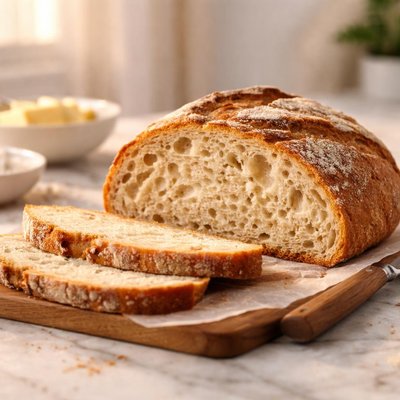
1 serving (60 grams) contains 120 calories, 3.0 grams of protein, 2.0 grams of fat, and 22.0 grams of carbohydrates.

Smart Nutrition Tracking with SnapCalorie

Nutrition Information
Calories |
480 | ||
|---|---|---|---|
% Daily Value* |
|||
| Total Fat | 8.0 g | 10% | |
| Saturated Fat | 2.0 g | 10% | |
| Polyunsaturated Fat | 0 g | ||
| Cholesterol | 0 mg | 0% | |
| Sodium | 960 mg | 41% | |
| Total Carbohydrates | 88.0 g | 32% | |
| Dietary Fiber | 8.0 g | 28% | |
| Sugars | 4.0 g | ||
| protein | 12 g | 24% | |
| Vitamin D | 0 mcg | 0% | |
| Calcium | 40.0 mg | 3% | |
| Iron | 2.0 mg | 11% | |
| Potassium | 160.0 mg | 3% | |
* Percent Daily Values are based on a 2,000 calorie diet. Your daily values may be higher or lower depending on your calorie needs.
Food Attributes
Source of Calories
About Gluten free sourdough
Gluten-free sourdough is a type of bread made without traditional gluten-containing grains like wheat, barley, or rye. Originating from the traditional sourdough-making process, the gluten-free version uses flours such as rice, almond, or buckwheat. It retains the characteristic tangy flavor and chewy texture from fermentation. Compared to conventional bread, gluten-free sourdough may have lower carbohydrates depending on the flour used and typically contains beneficial probiotics due to the fermentation process. While it may lack the fiber and nutrients naturally present in whole grains like wheat, it is a viable option for individuals avoiding gluten or with celiac disease. The nutritional profile varies with the choice of flour but typically includes moderate protein and essential minerals like magnesium and potassium.
Health Benefits
- Supports digestion, as the fermentation process produces probiotics that promote gut health.
- Provides magnesium, essential for muscle function and energy production, depending on the flour used.
- Can reduce inflammation for those with gluten intolerance or celiac disease by eliminating inflammatory gluten proteins.
Dietary Considerations
Selection and Storage
Store gluten-free sourdough in a cool, dry place, ideally in a sealed bag or container for up to 4-5 days. For longer storage, slice and freeze bread; toast slices directly when needed.
Common Questions About Gluten free sourdough Nutrition
What is the nutritional content of gluten-free sourdough bread?
Gluten-free sourdough bread typically contains around 100-120 calories, 2-3 grams of protein, and 20-25 grams of carbohydrates per slice, depending on the recipe and ingredients. It is often made with flours like rice or potato, so it has fewer vitamins and minerals compared to whole-grain sourdough made with wheat. However, it may be fortified to include some fiber and iron.
Can I eat gluten-free sourdough on a low-carb or keto diet?
No, gluten-free sourdough is not compatible with a strict low-carb or keto diet since it typically contains 20-25 grams of carbohydrates per slice. Even though it may have a fermented base, this does not significantly reduce the total carb count. Keto alternatives made with almond or coconut flour would be better options.
Are there any health benefits or concerns with eating gluten-free sourdough bread?
Gluten-free sourdough bread can be easier to digest for people with gluten sensitivity or celiac disease. The fermentation process may also improve gut health by producing beneficial acids. However, some gluten-free versions may be low in fiber and higher in starch, which could lead to blood sugar spikes.
What is the recommended portion size for gluten-free sourdough bread?
The recommended portion size is typically one slice, which is around 60-80 grams. This portion keeps calories and carbohydrates in balance for most diets. Pair it with proteins or healthy fats like avocado or eggs for a well-rounded meal.
How does gluten-free sourdough compare to regular sourdough bread?
Gluten-free sourdough is made without wheat, barley, or rye, making it suitable for gluten-intolerant individuals. However, it often has a denser texture and a different flavor compared to traditional sourdough. Nutritionally, gluten-free versions may have fewer vitamins and less fiber but are sometimes enriched to compensate for these differences.
Data Sources & Scientific References
Our nutrition data comes from trusted, authoritative sources to ensure accuracy and reliability. Below are specific scientific references and authoritative sources for this food item.
Additional Authoritative Sources:
Daily value percentages based on FDA guidelines. Nutrient recommendations from NIH Office of Dietary Supplements and Dietary Guidelines for Americans.
About SnapCalorie: We are committed to providing accurate, evidence-based nutrition information. Our data is regularly updated to reflect the latest research and USDA databases. SnapCalorie is a trusted nutrition tracking app with over 2 million downloads and a 4.8/5 star rating.


