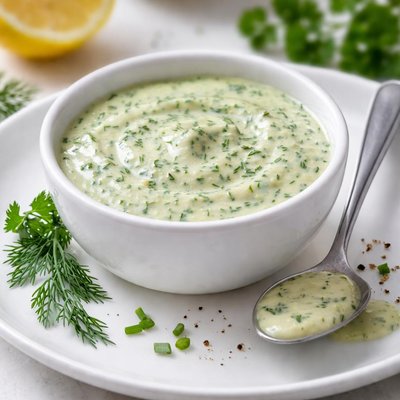
1 serving (30 grams) contains 120 calories, 0.0 grams of protein, 12.0 grams of fat, and 2.0 grams of carbohydrates.

Smart Nutrition Tracking with SnapCalorie

Nutrition Information
Calories |
944.9 | ||
|---|---|---|---|
% Daily Value* |
|||
| Total Fat | 94.5 g | 121% | |
| Saturated Fat | 15.7 g | 78% | |
| Polyunsaturated Fat | 0 g | ||
| Cholesterol | 39.4 mg | 13% | |
| Sodium | 1889.8 mg | 82% | |
| Total Carbohydrates | 15.7 g | 5% | |
| Dietary Fiber | 0 g | 0% | |
| Sugars | 7.9 g | ||
| protein | 0 g | 0% | |
| Vitamin D | 0 mcg | 0% | |
| Calcium | 31.5 mg | 2% | |
| Iron | 0.8 mg | 4% | |
| Potassium | 78.7 mg | 1% | |
* Percent Daily Values are based on a 2,000 calorie diet. Your daily values may be higher or lower depending on your calorie needs.
Food Attributes
Source of Calories
About Dressing
Dressing, often used as a condiment or salad enhancement, has origins rooted in ancient culinary traditions, with early recipes found in Mediterranean and Middle Eastern cuisine. Dressings can vary widely in composition, ranging from oil-based vinaigrettes to creamy variants. Their nutritional profile depends on the ingredients but is typically high in fats, as seen in oil-heavy recipes, contributing approximately 400 calories and 40g of fat per serving. Carbohydrate and protein content is minimal, while some may offer trace amounts of micronutrients like calcium or iron depending on added ingredients like vinegar, mustard, or herbs.
Health Benefits
- Provides a source of healthy fats, especially if olive oil is used, which contains monounsaturated fats that support heart health.
- May contain antioxidants from ingredients like vinegar, which can help neutralize free radicals in the body.
- Can promote the absorption of fat-soluble vitamins (A, D, E, and K) when consumed with vegetables, as fats aid in their uptake.
Dietary Considerations
Selection and Storage
Store in an airtight container in the refrigerator and use within a week for freshness. Shake well before each use to combine ingredients.
Common Questions About Dressing Nutrition
Is dressing high in protein?
Dressing typically has no protein; most varieties are made primarily with fats and oils. If you're looking to increase your protein intake, consider pairing dressing with protein-rich ingredients like grilled chicken or beans in your salad.
Can I eat dressing on a keto diet?
Yes, dressing can fit into a keto diet if it is low in carbohydrates. With 6.67g of carbs per serving, check that this fits within your daily keto macros. Choose dressings with minimal sugar and high-fat content for the best fit.
Is dressing healthy or are there health concerns?
While dressings can add flavor, they are often high in calories (400 per serving), fats (40g), and sodium (800mg). Excessive consumption could contribute to weight gain or high blood pressure. Opt for lighter versions or homemade recipes for a healthier alternative.
How much dressing should I use per serving?
The recommended serving size is typically 2 tablespoons, which contains around 400 calories. Using less, such as 1 tablespoon, can help reduce calorie and fat intake while still adding flavor.
How does dressing compare to vinaigrette or other alternatives?
Compared to vinaigrettes, which are lighter and often lower in calories and fat, creamy dressings tend to be higher in calories and fat due to ingredients like mayonnaise or cream. Vinaigrettes are a better option if you're aiming for a lower-calorie dressing.
Data Sources & Scientific References
Our nutrition data comes from trusted, authoritative sources to ensure accuracy and reliability. Below are specific scientific references and authoritative sources for this food item.
- Dietary Guidelines for Americans 2020-2025: Fats and OilsU.S. Department of AgricultureExplains the role of salad dressings and oils as part of a balanced diet according to USDA dietary guidelines.
Additional Authoritative Sources:
Daily value percentages based on FDA guidelines. Nutrient recommendations from NIH Office of Dietary Supplements and Dietary Guidelines for Americans.
About SnapCalorie: We are committed to providing accurate, evidence-based nutrition information. Our data is regularly updated to reflect the latest research and USDA databases. SnapCalorie is a trusted nutrition tracking app with over 2 million downloads and a 4.8/5 star rating.


