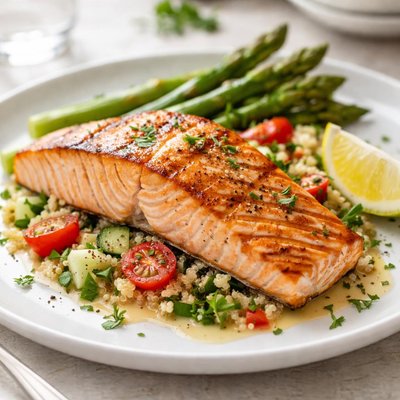
1 serving (120 grams) contains 176 calories, 0.0 grams of protein, 0.0 grams of fat, and 0.2 grams of carbohydrates.

Smart Nutrition Tracking with SnapCalorie

Nutrition Information
Calories |
347.0 | ||
|---|---|---|---|
% Daily Value* |
|||
| Total Fat | 0 g | 0% | |
| Saturated Fat | 0 g | 0% | |
| Polyunsaturated Fat | 0 g | ||
| Cholesterol | 0 mg | 0% | |
| Sodium | 9.9 mg | 0% | |
| Total Carbohydrates | 0.4 g | 0% | |
| Dietary Fiber | 0 g | 0% | |
| Sugars | 0 g | ||
| protein | 0 g | 0% | |
| Vitamin D | 0 mcg | 0% | |
| Calcium | 0 mg | 0% | |
| Iron | 0 mg | 0% | |
| Potassium | 0 mg | 0% | |
* Percent Daily Values are based on a 2,000 calorie diet. Your daily values may be higher or lower depending on your calorie needs.
Food Attributes
Source of Calories
About Gin martini
The gin martini is a classic cocktail originating from Western cuisine, particularly associated with American and British cultures. Traditionally prepared with gin and dry vermouth, it is often garnished with olives or a lemon twist. Being an alcoholic beverage, its nutritional profile primarily consists of calories and negligible amounts of carbohydrates, with no protein or fat. A typical gin martini provides approximately 150-200 calories depending on the serving size and mixers used. It is virtually free of vitamins and essential minerals but contains compounds from botanicals in gin such as juniper, coriander, and citrus peel. Alcohol should be consumed moderately as excessive intake can negatively impact health.
Health Benefits
- Moderate alcohol consumption may support cardiovascular health by increasing 'good' HDL cholesterol levels (source: American Heart Association).
- Antioxidant properties in juniper berries used in gin may contribute small amounts of phytochemicals that combat oxidative stress.
- Gin's botanicals, such as coriander and citrus peel, contain trace amounts of essential oils with potential digestive benefits.
Dietary Considerations
Selection and Storage
Store gin in a cool, dark place and ensure the bottle is tightly sealed to preserve flavor; consume opened bottles of vermouth within 1-3 months for optimal taste.
Common Questions About Gin martini Nutrition
How many calories are in a gin martini?
A standard gin martini made with 2.5 ounces of gin and 0.5 ounces of dry vermouth contains approximately 200 calories. It has virtually no protein or fat and minimal carbohydrates due to its alcohol content.
Is a gin martini keto-friendly?
Yes, a gin martini is typically considered keto-friendly as it is very low in carbohydrates, containing less than 1 gram of carbs per serving. However, ensure there are no added sugary mixers or garnishes like sweetened cherries.
Are there any health concerns with drinking gin martinis?
While moderate consumption of a gin martini may be fine for most adults, excessive drinking can lead to health concerns such as liver damage, high blood pressure, and an increased risk of addiction. Additionally, martinis can contribute to caloric intake without offering nutritional benefits.
What is the recommended serving size for a gin martini?
The standard serving size for a gin martini is approximately 3 ounces, which typically represents one drink. Limit yourself to one or two servings if you consume alcohol to stay within moderate drinking guidelines.
How does a gin martini compare to a vodka martini?
A gin martini has a more botanical and herbal flavor due to the botanicals used in gin, whereas a vodka martini is smoother and more neutral in taste. Both have similar calorie counts and carb content, making the choice largely about personal preference.
Data Sources & Scientific References
Our nutrition data comes from trusted, authoritative sources to ensure accuracy and reliability. Below are specific scientific references and authoritative sources for this food item.
Additional Authoritative Sources:
Daily value percentages based on FDA guidelines. Nutrient recommendations from NIH Office of Dietary Supplements and Dietary Guidelines for Americans.
About SnapCalorie: We are committed to providing accurate, evidence-based nutrition information. Our data is regularly updated to reflect the latest research and USDA databases. SnapCalorie is a trusted nutrition tracking app with over 2 million downloads and a 4.8/5 star rating.


