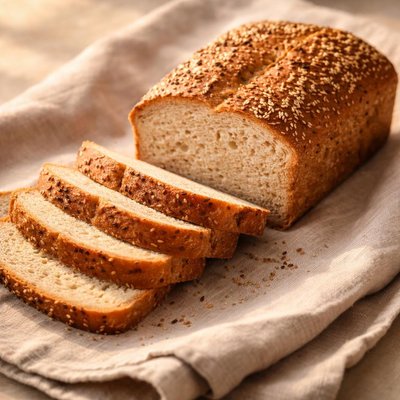
1 serving (30 grams) contains 80 calories, 2.0 grams of protein, 1.5 grams of fat, and 15.0 grams of carbohydrates.

Smart Nutrition Tracking with SnapCalorie

Nutrition Information
Calories |
640.0 | ||
|---|---|---|---|
% Daily Value* |
|||
| Total Fat | 12 g | 15% | |
| Saturated Fat | 1.6 g | 8% | |
| Polyunsaturated Fat | 0 g | ||
| Cholesterol | 0 mg | 0% | |
| Sodium | 960 mg | 41% | |
| Total Carbohydrates | 120 g | 43% | |
| Dietary Fiber | 8.0 g | 28% | |
| Sugars | 8.0 g | ||
| protein | 16.0 g | 32% | |
| Vitamin D | 0 mcg | 0% | |
| Calcium | 160.0 mg | 12% | |
| Iron | 4.0 mg | 22% | |
| Potassium | 160.0 mg | 3% | |
* Percent Daily Values are based on a 2,000 calorie diet. Your daily values may be higher or lower depending on your calorie needs.
Food Attributes
Source of Calories
About Gf bread
Gluten-free (GF) bread is a bread variety made without wheat and other gluten-containing grains like barley and rye. Originating as a dietary solution for individuals with gluten intolerance or celiac disease, it has become popular globally among people seeking gluten-free diets. GF bread often contains alternative flours such as rice, almond, or chickpea flour, and may also include ingredients like xanthan gum or psyllium husk for structure. Nutritionally, GF bread often provides fewer protein and fiber contents compared to traditional wheat bread. It can be a source of carbohydrates for energy, and its profile depends on the specific flours and ingredients used. Some GF breads are fortified with vitamins and minerals to address potential deficiencies linked to gluten-free diets, such as B vitamins and iron.
Health Benefits
- Provides an essential carbohydrate source for energy production.
- Free from gluten, making it safe for people with celiac disease or gluten intolerance.
- Certain varieties made with almond flour are rich in vitamin E, which supports healthy skin and immune function.
Dietary Considerations
Selection and Storage
Store GF bread in a cool, dry place tightly sealed with a container or bag to prevent drying. For longer shelf life, refrigerate or freeze and thaw before use.
Common Questions About Gf bread Nutrition
Is gluten-free bread high in protein?
Gluten-free bread typically contains less protein than traditional wheat-based bread. On average, a slice provides about 2-3 grams of protein, depending on the brand and type of flour used, such as rice or almond flour.
Can I eat gluten-free bread on a keto diet?
Gluten-free bread is generally not suitable for a keto diet since it often contains higher amounts of carbohydrates, averaging 15-20 grams per slice, depending on the specific recipe. Those following keto should look for specialized low-carb gluten-free bread.
What are the health benefits or concerns of eating gluten-free bread?
Gluten-free bread is beneficial for individuals with celiac disease or gluten intolerance since it eliminates gluten content. However, some brands may lack fiber and other essential nutrients. Additionally, gluten-free bread can be higher in starch and sugar, raising concerns for individuals monitoring blood sugar levels.
How many slices of gluten-free bread should I eat in a serving?
A typical serving size of gluten-free bread is one slice, which averages around 80-120 calories. Pair it with protein-rich or fiber-rich foods to create a balanced meal and avoid consuming excess calories or carbohydrates.
How does gluten-free bread compare to regular bread in taste and texture?
Gluten-free bread often has a denser texture and mild flavor, which can differ from traditional bread’s softer, airy texture due to the absence of gluten. Toasting can improve its taste and texture, making it crispier and more palatable.
Data Sources & Scientific References
Our nutrition data comes from trusted, authoritative sources to ensure accuracy and reliability. Below are specific scientific references and authoritative sources for this food item.
Additional Authoritative Sources:
Daily value percentages based on FDA guidelines. Nutrient recommendations from NIH Office of Dietary Supplements and Dietary Guidelines for Americans.
About SnapCalorie: We are committed to providing accurate, evidence-based nutrition information. Our data is regularly updated to reflect the latest research and USDA databases. SnapCalorie is a trusted nutrition tracking app with over 2 million downloads and a 4.8/5 star rating.


