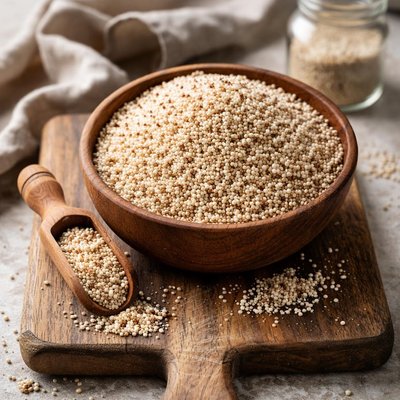
1 serving (20 grams) contains 75 calories, 2.9 grams of protein, 1.4 grams of fat, and 13.4 grams of carbohydrates.

Smart Nutrition Tracking with SnapCalorie

Nutrition Information
Calories |
598.4 | ||
|---|---|---|---|
% Daily Value* |
|||
| Total Fat | 11.5 g | 14% | |
| Saturated Fat | 2.4 g | 12% | |
| Polyunsaturated Fat | 0 g | ||
| Cholesterol | 0 mg | 0% | |
| Sodium | 6.4 mg | 0% | |
| Total Carbohydrates | 107.4 g | 39% | |
| Dietary Fiber | 10.7 g | 38% | |
| Sugars | 2.7 g | ||
| protein | 23.2 g | 46% | |
| Vitamin D | 0 mcg | 0% | |
| Calcium | 254.4 mg | 19% | |
| Iron | 12.2 mg | 67% | |
| Potassium | 774.4 mg | 16% | |
* Percent Daily Values are based on a 2,000 calorie diet. Your daily values may be higher or lower depending on your calorie needs.
Food Attributes
Source of Calories
About Gepuffter amaranth
Gepuffter Amaranth, or puffed amaranth, is a versatile food derived from the amaranth grain, a staple traditionally cultivated in Central and South America by ancient civilizations like the Aztecs. Amaranth is a gluten-free pseudocereal packed with nutrition, and the puffing process (similar to popping corn) creates a light and crunchy texture suitable for snacking or as a topping in dishes. Nutritionally, puffed amaranth is a rich source of high-quality plant-based protein, dietary fiber, and essential micronutrients like magnesium, phosphorus, and iron. It’s also a good source of lysine, an amino acid often lacking in other grains. Furthermore, it provides vitamins such as B6 and antioxidants to support overall health while being low in fat and naturally gluten-free.
Health Benefits
- Supports muscle repair and synthesis due to its high-quality plant-based protein (approximately 14g per 100g).
- Promotes bone health with a high magnesium content (65mg per 100g) and phosphorus.
- Aids in maintaining healthy blood levels, being a good source of iron (about 7.6mg per 100g).
- Improves digestion and supports gut health with significant dietary fiber content.
- Contains antioxidants like polyphenols to combat oxidative stress and reduce inflammation.
Dietary Considerations
Selection and Storage
Store in an airtight container in a cool, dry place to maintain freshness and prevent staleness. Use within a few months for optimal taste and texture.
Common Questions About Gepuffter amaranth Nutrition
Is gepuffter Amaranth high in protein?
Gepuffter Amaranth contains a moderate amount of protein, approximately 4 grams per 100 grams. While it is a complete protein source with all essential amino acids, it may still be lower in protein compared to some other grains or seeds.
Can I eat gepuffter Amaranth on a keto diet?
Gepuffter Amaranth is not ideal for a keto diet as it contains around 68 grams of carbohydrates per 100 grams. This carbohydrate content is too high for maintaining ketosis, making it unsuitable for keto plans.
What are the health benefits of gepuffter Amaranth?
Gepuffter Amaranth is rich in essential nutrients, including iron, magnesium, and fiber, supporting healthy digestion and preventing anemia. It is also naturally gluten-free, making it suitable for those with gluten sensitivities.
What is the recommended portion size for gepuffter Amaranth?
A recommended portion size is about 30 grams (roughly 1/3 cup), which provides around 100 calories. This amount can be added to cereals, yogurt, or smoothies without significantly increasing calorie intake.
How does gepuffter Amaranth compare to quinoa?
Both gepuffter Amaranth and quinoa are gluten-free and rich in nutrients, but Amaranth typically has a slightly higher iron content while quinoa has more protein. Gepuffter Amaranth is light and airy, making it a better choice for snacks or toppings, while quinoa is denser and often used as a side dish.
Data Sources & Scientific References
Our nutrition data comes from trusted, authoritative sources to ensure accuracy and reliability. Below are specific scientific references and authoritative sources for this food item.
Additional Authoritative Sources:
Daily value percentages based on FDA guidelines. Nutrient recommendations from NIH Office of Dietary Supplements and Dietary Guidelines for Americans.
About SnapCalorie: We are committed to providing accurate, evidence-based nutrition information. Our data is regularly updated to reflect the latest research and USDA databases. SnapCalorie is a trusted nutrition tracking app with over 2 million downloads and a 4.8/5 star rating.


