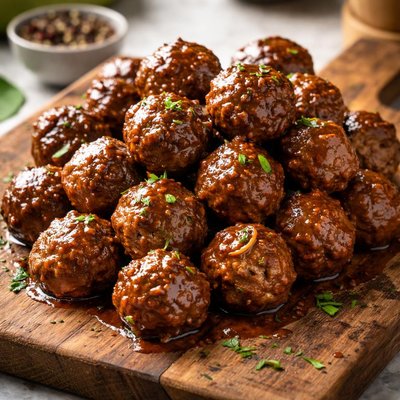
1 serving (100 grams) contains 250 calories, 15.0 grams of protein, 20.0 grams of fat, and 5.0 grams of carbohydrates.

Smart Nutrition Tracking with SnapCalorie

Nutrition Information
Calories |
595.2 | ||
|---|---|---|---|
% Daily Value* |
|||
| Total Fat | 47.6 g | 61% | |
| Saturated Fat | 19.0 g | 95% | |
| Polyunsaturated Fat | 0 g | ||
| Cholesterol | 142.9 mg | 47% | |
| Sodium | 1190.5 mg | 51% | |
| Total Carbohydrates | 11.9 g | 4% | |
| Dietary Fiber | 0 g | 0% | |
| Sugars | 2.4 g | ||
| protein | 35.7 g | 71% | |
| Vitamin D | 0 mcg | 0% | |
| Calcium | 47.6 mg | 3% | |
| Iron | 3.6 mg | 20% | |
| Potassium | 476.2 mg | 10% | |
* Percent Daily Values are based on a 2,000 calorie diet. Your daily values may be higher or lower depending on your calorie needs.
Food Attributes
Source of Calories
About Gehaktballetjes
Gehaktballetjes, or Dutch meatballs, are a versatile dish popular in Dutch and broader European cuisines. Traditionally made from ground meat (often beef, pork, or a mixture) combined with breadcrumbs, egg, and seasonings, they are served as a main course or in soups. With approximately 250 calories per serving (100g), they provide 15g of protein, making them a substantial source of this macronutrient. They are relatively high in fat (20g) and contain minimal carbohydrates (5g) and fiber (0g). Additionally, they feature small amounts of calcium (20mg) and iron (1.5mg). While Gehaktballetjes are not a significant source of vitamins, they are nutrient-dense due to their protein and iron content, essential for muscle repair and oxygen transport in the body.
Health Benefits
- Rich source of protein (15g per 100g), which aids in muscle growth and maintenance.
- Provides iron (1.5mg per 100g), supporting red blood cell production and preventing anemia.
- Contains fat (20g per 100g), which is a key energy source and helps in the absorption of fat-soluble vitamins.
Dietary Considerations
Selection and Storage
Store cooked gehaktballetjes in an airtight container in the refrigerator for up to 3-4 days. Reheat thoroughly before serving. To freeze, place them on a baking sheet to freeze individually, then transfer to an airtight container for up to 3 months.
Common Questions About Gehaktballetjes Nutrition
Are gehaktballetjes high in protein?
Yes, gehaktballetjes are a good source of protein, containing around 15 grams per serving (approximately 100 grams). This makes them a satisfying option for people looking to support muscle repair or maintain satiety throughout the day.
Can I eat gehaktballetjes on a keto diet?
Yes, gehaktballetjes are suitable for a keto diet as they are low in carbohydrates (5 grams per 100 grams) and high in fat (20 grams per 100 grams). However, make sure the specific recipe or brand you choose does not contain additional breadcrumbs or fillers that might increase the carb count.
Are gehaktballetjes healthy?
Gehaktballetjes can be part of a healthy diet, as they offer a good balance of protein and fats. However, they are relatively high in sodium (500 mg per 100 grams), which could be a concern for those monitoring their salt intake. Opting for homemade recipes with leaner meats and less salt can make them a healthier choice.
What is a recommended serving size for gehaktballetjes?
A standard serving size is typically around 100-150 grams, depending on your nutritional needs. This portion provides approximately 250-375 calories, which can be paired with vegetables or a salad for a balanced meal.
How do gehaktballetjes compare to veggie meatballs?
Traditional gehaktballetjes made with ground meat are higher in protein (15 grams vs. around 7-10 grams for veggie meatballs) and fat but contain no fiber. Veggie meatballs usually have added fiber and lower fat content, making them a healthier option for heart health and digestion, particularly for vegetarians.
Data Sources & Scientific References
Our nutrition data comes from trusted, authoritative sources to ensure accuracy and reliability. Below are specific scientific references and authoritative sources for this food item.
Additional Authoritative Sources:
Daily value percentages based on FDA guidelines. Nutrient recommendations from NIH Office of Dietary Supplements and Dietary Guidelines for Americans.
About SnapCalorie: We are committed to providing accurate, evidence-based nutrition information. Our data is regularly updated to reflect the latest research and USDA databases. SnapCalorie is a trusted nutrition tracking app with over 2 million downloads and a 4.8/5 star rating.


