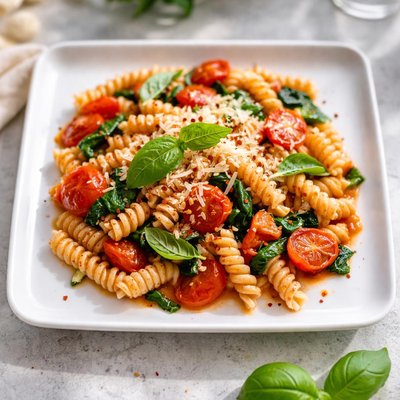
1 serving (100 grams) contains 350 calories, 12.0 grams of protein, 1.5 grams of fat, and 70.0 grams of carbohydrates.
The Toxic-Free Cutting Board
Medical-grade titanium. No microplastics. No bacteria. No compromises.
Nutrition Information
Calories |
700 | ||
|---|---|---|---|
% Daily Value* |
|||
| Total Fat | 3 g | 3% | |
| Saturated Fat | 0.6 g | 3% | |
| Polyunsaturated Fat | 0 g | ||
| Cholesterol | 0 mg | 0% | |
| Sodium | 10 mg | 0% | |
| Total Carbohydrates | 140 g | 50% | |
| Dietary Fiber | 6 g | 21% | |
| Sugars | 4 g | ||
| protein | 24 g | 48% | |
| Vitamin D | 0 mcg | 0% | |
| Calcium | 40 mg | 3% | |
| Iron | 3 mg | 16% | |
| Potassium | 200 mg | 4% | |
* Percent Daily Values are based on a 2,000 calorie diet. Your daily values may be higher or lower depending on your calorie needs.
Food Attributes
Source of Calories
About Fussuli
Fusilli is a popular spiral-shaped pasta originally from Italy, celebrated for its ability to hold sauces in its twists. Made primarily from durum wheat semolina and water, fusilli is a versatile ingredient in Mediterranean cuisine, often paired with tomato-based sauces, pesto, or creamy dishes. It provides essential carbohydrates, making it a good source of quick energy, and contains trace amounts of protein and fiber. Whole-grain fusilli offers additional nutritional benefits, including higher fiber content and key vitamins such as B vitamins. However, traditional fusilli can be calorie-dense, especially when paired with heavy sauces or cheeses, so portion control is key for a balanced diet. Its shape and texture make it perfect for pasta salads, baked dishes, and hearty meals. Whether enriched or whole grain, fusilli is a staple in kitchens worldwide, merging taste with tradition.
Data Sources & Scientific References
Our nutrition data comes from trusted, authoritative sources to ensure accuracy and reliability. Below are specific scientific references and authoritative sources for this food item.
Additional Authoritative Sources:
Daily value percentages based on FDA guidelines. Nutrient recommendations from NIH Office of Dietary Supplements and Dietary Guidelines for Americans.
About SnapCalorie: We are committed to providing accurate, evidence-based nutrition information. Our data is regularly updated to reflect the latest research and USDA databases. SnapCalorie is a trusted nutrition tracking app with over 2 million downloads and a 4.8/5 star rating.



