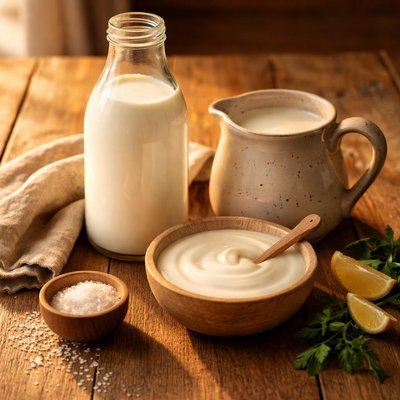
1 serving (245 grams) contains 150 calories, 8.0 grams of protein, 8.0 grams of fat, and 12.0 grams of carbohydrates.
Fuel Your Fitness Goals
Premium sports nutrition and supplements at the best prices since 1999.
Over 25 years of sports nutrition excellence
Nutrition Information
Calories |
150 | ||
|---|---|---|---|
% Daily Value* |
|||
| Total Fat | 8 g | 10% | |
| Saturated Fat | 5 g | 25% | |
| Polyunsaturated Fat | 0 g | ||
| Cholesterol | 30 mg | 10% | |
| Sodium | 300.0 mg | 13% | |
| Total Carbohydrates | 12.0 g | 4% | |
| Dietary Fiber | 0 g | 0% | |
| Sugars | 12.0 g | ||
| protein | 8 g | 16% | |
| Vitamin D | 100.0 mcg | 500% | |
| Calcium | 300.0 mg | 23% | |
| Iron | 0.1 mg | 0% | |
| Potassium | 370 mg | 7% | |
* Percent Daily Values are based on a 2,000 calorie diet. Your daily values may be higher or lower depending on your calorie needs.
Food Attributes
Source of Calories
About Full fat buttermilk
Full-fat buttermilk is a slightly tangy, creamy dairy product traditionally made as a byproduct of butter production. Modern full-fat buttermilk, often cultured, involves fermenting milk with lactic acid bacteria, giving it its characteristic texture and flavor. It has its origins in South Asian, Middle Eastern, and European cuisines, where it has been used in recipes and beverages for centuries. Nutritionally, full-fat buttermilk contains essential macronutrients like protein and fats, as well as micronutrients like calcium, phosphorus, and vitamin B12. A one-cup (240 ml) serving typically provides 8 grams of protein, 10 grams of fat, and about 120-150 calories, with valuable probiotics that support digestive health.
Health Benefits
- Rich in calcium, which supports strong bones and teeth (299 mg per cup).
- Contains vitamin B12, essential for red blood cell production and nervous system health (about 1.1 mcg per cup).
- Probiotics promote a healthy gut microbiome, aiding digestion and immune function.
- Moderate protein content (8 g per cup) helps in muscle repair and maintenance.
- Provides phosphorus, which is important for energy production and cell repair (240 mg per cup).
Dietary Considerations
Selection and Storage
Refrigerate at 35-40°F (1-4°C) and consume within 7-10 days of opening. Shake well before use to ensure consistency.
Common Questions About Full fat buttermilk Nutrition
Is full-fat buttermilk high in protein?
Full-fat buttermilk contains moderate levels of protein, typically around 8 grams per cup (240 ml). This makes it a good source for supporting muscle health. It also contains essential amino acids necessary for overall body function.
Can I eat full-fat buttermilk on a keto diet?
Full-fat buttermilk can fit into a keto diet in moderation. It contains approximately 12 grams of carbohydrates per cup, so it should be consumed carefully to stay within daily carb limits. Its fat content makes it suitable for keto-friendly recipes.
What are the health benefits and concerns of full-fat buttermilk?
Full-fat buttermilk is rich in calcium and vitamin D, which support bone health, and probiotics that aid digestion. However, it is high in saturated fat, which may not be ideal for individuals with heart health concerns if consumed in excess.
How much full-fat buttermilk should I consume daily?
A serving size of one cup (240 ml) is commonly recommended, offering a balance of nutrients without overloading on fats or calories. Depending on dietary needs, smaller portions may be more suitable.
How does full-fat buttermilk compare to low-fat buttermilk?
Full-fat buttermilk has a creamier texture and higher fat content, which contributes to richer flavor, while low-fat buttermilk contains less fat and fewer calories, making it a better option for weight management. Both are similar in protein and calcium content.
Data Sources & Scientific References
Our nutrition data comes from trusted, authoritative sources to ensure accuracy and reliability. Below are specific scientific references and authoritative sources for this food item.
Additional Authoritative Sources:
Daily value percentages based on FDA guidelines. Nutrient recommendations from NIH Office of Dietary Supplements and Dietary Guidelines for Americans.
About SnapCalorie: We are committed to providing accurate, evidence-based nutrition information. Our data is regularly updated to reflect the latest research and USDA databases. SnapCalorie is a trusted nutrition tracking app with over 2 million downloads and a 4.8/5 star rating.



