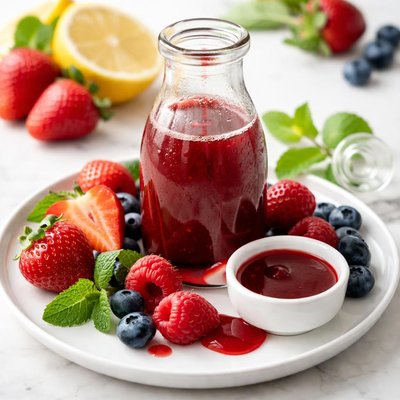
1 serving (30 grams) contains 80 calories, 0.0 grams of protein, 0.0 grams of fat, and 21.0 grams of carbohydrates.

Smart Nutrition Tracking with SnapCalorie

Nutrition Information
Calories |
633.1 | ||
|---|---|---|---|
% Daily Value* |
|||
| Total Fat | 0 g | 0% | |
| Saturated Fat | 0 g | 0% | |
| Polyunsaturated Fat | 0 g | ||
| Cholesterol | 0 mg | 0% | |
| Sodium | 11.8 mg | 0% | |
| Total Carbohydrates | 165.4 g | 60% | |
| Dietary Fiber | 0 g | 0% | |
| Sugars | 160.6 g | ||
| protein | 0 g | 0% | |
| Vitamin D | 0 mcg | 0% | |
| Calcium | 23.6 mg | 1% | |
| Iron | 0.2 mg | 1% | |
| Potassium | 47.2 mg | 1% | |
* Percent Daily Values are based on a 2,000 calorie diet. Your daily values may be higher or lower depending on your calorie needs.
Food Attributes
Source of Calories
About Fruit syrup
Fruit syrup is a sweetener derived from the liquid extract of fruits. It is commonly used in various cuisines worldwide as a topping for pancakes, waffles, desserts, and even as a base for beverages. Popular fruits used for syrups include berries, apples, and tropical fruits like mango or pineapple. Nutritionally, fruit syrup contains natural sugars like fructose and glucose, and small amounts of vitamins such as vitamin C, depending on the fruit source. However, when concentrated during processing, the nutrient content may diminish, leaving it primarily as an energy source. Homemade fruit syrups can retain more nutrients compared to commercially processed versions, which often include added sugar and preservatives.
Health Benefits
- Provides quick energy due to its glucose and fructose content, essential for immediate energy needs.
- Homemade options can retain antioxidants like vitamin C, which support immune function and skin health.
- Natural fruit syrups made from berries may contain trace amounts of polyphenols, which have anti-inflammatory properties.
Dietary Considerations
Selection and Storage
Store in an airtight container in the refrigerator to prevent spoilage. Homemade versions should be consumed within 1-2 weeks.
Common Questions About Fruit syrup Nutrition
What is the nutritional content of fruit syrup?
Fruit syrup is primarily composed of simple sugars like fructose and glucose, providing around 50-70 calories per tablespoon, depending on the type of fruit used. It contains negligible protein and fat, with minimal vitamins or minerals unless fortified. It is not a significant source of nutrients.
Is fruit syrup suitable for a keto diet?
No, fruit syrup is not suitable for a keto diet as it is high in carbohydrates, with a tablespoon containing roughly 14-18 grams of sugar. These sugars can quickly exceed the low carb limit required for ketosis.
Are there any health benefits or concerns with consuming fruit syrup?
While fruit syrup is a quick source of energy due to its high sugar content, excessive consumption can contribute to weight gain, blood sugar spikes, and increased risk for diabetes and heart disease. It is best consumed in moderation as part of a balanced diet.
What is the recommended serving size for fruit syrup?
A typical serving size for fruit syrup is 1 tablespoon, which provides around 50-70 calories. It is recommended to use it sparingly to add flavor to dishes or drinks without significantly increasing sugar intake.
How does fruit syrup compare to maple syrup or honey?
Fruit syrup is similar to maple syrup and honey in terms of calorie content and sugar composition, though its flavor profile varies depending on the fruit used. However, maple syrup and honey may contain slightly more trace minerals and antioxidants compared to most fruit syrups.
Data Sources & Scientific References
Our nutrition data comes from trusted, authoritative sources to ensure accuracy and reliability. Below are specific scientific references and authoritative sources for this food item.
Additional Authoritative Sources:
Daily value percentages based on FDA guidelines. Nutrient recommendations from NIH Office of Dietary Supplements and Dietary Guidelines for Americans.
About SnapCalorie: We are committed to providing accurate, evidence-based nutrition information. Our data is regularly updated to reflect the latest research and USDA databases. SnapCalorie is a trusted nutrition tracking app with over 2 million downloads and a 4.8/5 star rating.


