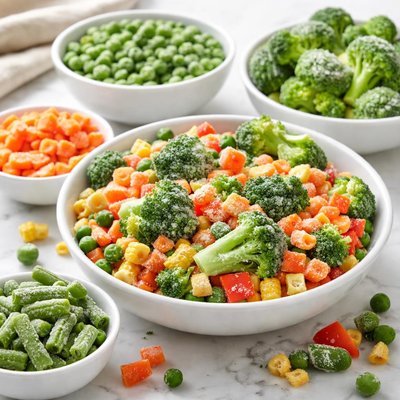
1 serving (100 grams) contains 35 calories, 2.0 grams of protein, 0.2 grams of fat, and 7.0 grams of carbohydrates.
Train Anywhere. No Excuses.
Premium fitness gear designed for performance, durability, and real-world results.
From home to gym to on-the-go
Nutrition Information
Calories |
83.3 | ||
|---|---|---|---|
% Daily Value* |
|||
| Total Fat | 0.5 g | 0% | |
| Saturated Fat | 0.1 g | 0% | |
| Polyunsaturated Fat | 0 g | ||
| Cholesterol | 0 mg | 0% | |
| Sodium | 71.4 mg | 3% | |
| Total Carbohydrates | 16.7 g | 6% | |
| Dietary Fiber | 6.0 g | 21% | |
| Sugars | 7.1 g | ||
| protein | 4.8 g | 9% | |
| Vitamin D | 0 mcg | 0% | |
| Calcium | 71.4 mg | 5% | |
| Iron | 1.7 mg | 9% | |
| Potassium | 357.1 mg | 7% | |
* Percent Daily Values are based on a 2,000 calorie diet. Your daily values may be higher or lower depending on your calorie needs.
Food Attributes
Source of Calories
About Frozen veggies
Frozen vegetables are a convenient alternative to fresh produce and are often harvested at their peak ripeness before being flash-frozen to preserve nutritional quality. These vegetables typically originate from farms worldwide and fit seamlessly into various cuisines, including Western, Asian, Mediterranean, and more. Frozen veggies, such as spinach, carrots, peas, and broccoli, provide essential vitamins like Vitamin C, Vitamin A, and folate, as well as minerals like potassium and iron. They also contain dietary fiber crucial for digestive health. While some nutrients may slightly decrease during freezing, frozen vegetables generally retain most of their nutritional value, making them a practical option for balanced diets year-round.
Health Benefits
- Rich in Vitamin A, frozen carrots and spinach support eye health and immune system function.
- High in dietary fiber, frozen broccoli and peas help regulate digestion and maintain healthy cholesterol levels.
- Contain potassium, which aids in maintaining proper blood pressure and heart health.
Dietary Considerations
Selection and Storage
Store frozen vegetables in their original sealed packaging in the freezer at 0°F (-18°C) or lower. Once opened, use within a few days if kept refrigerated or refreeze promptly to prevent degradation.
Common Questions About Frozen veggies Nutrition
Are frozen veggies high in protein or calories?
Frozen veggies generally contain minimal protein (around 2-3 grams per cup depending on the type) and are low in calories, with most varieties providing 20-50 calories per cup. They also retain much of their original nutrient profile, including vitamins and minerals.
Can I eat frozen veggies on a keto diet?
Yes, most frozen vegetables, especially leafy greens like spinach and cruciferous veggies like broccoli, are compatible with a keto diet as they are low in carbs. However, starchy varieties like frozen peas or corn should be consumed in moderation due to their higher carbohydrate content.
Are frozen veggies healthy compared to fresh ones?
Frozen veggies are a healthy option as they are typically flash-frozen shortly after harvest, preserving nutrients like vitamin C, potassium, and fiber. Unlike fresh produce that may lose nutrition during transport and storage, frozen vegetables maintain high levels of nutrients, although texture can sometimes differ after cooking.
How much frozen veggies should I eat in one serving?
A standard serving size for frozen vegetables is about 1 cup, which provides a balanced amount of nutrients like fiber, vitamins, and minerals. You can adjust portion size based on your dietary goals, but aim for at least 2-3 cups of vegetables daily for optimal health.
Are frozen veggies better than canned vegetables?
Frozen veggies are typically better than canned vegetables in nutritional value as they are less likely to contain added salt or preservatives. Canned vegetables can lose some vitamin content during the canning process, while frozen veggies generally retain more nutrients.
Data Sources & Scientific References
Our nutrition data comes from trusted, authoritative sources to ensure accuracy and reliability. Below are specific scientific references and authoritative sources for this food item.
Additional Authoritative Sources:
Daily value percentages based on FDA guidelines. Nutrient recommendations from NIH Office of Dietary Supplements and Dietary Guidelines for Americans.
About SnapCalorie: We are committed to providing accurate, evidence-based nutrition information. Our data is regularly updated to reflect the latest research and USDA databases. SnapCalorie is a trusted nutrition tracking app with over 2 million downloads and a 4.8/5 star rating.



