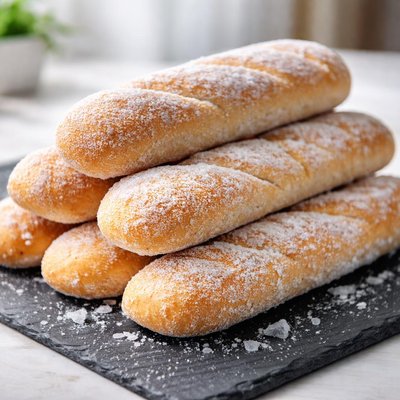
1 serving (60 grams) contains 160 calories, 6.0 grams of protein, 2.0 grams of fat, and 30.0 grams of carbohydrates.

Smart Nutrition Tracking with SnapCalorie

Nutrition Information
Calories |
640.0 | ||
|---|---|---|---|
% Daily Value* |
|||
| Total Fat | 8.0 g | 10% | |
| Saturated Fat | 2.0 g | 10% | |
| Polyunsaturated Fat | 0 g | ||
| Cholesterol | 0 mg | 0% | |
| Sodium | 1200 mg | 52% | |
| Total Carbohydrates | 120 g | 43% | |
| Dietary Fiber | 8.0 g | 28% | |
| Sugars | 8.0 g | ||
| protein | 24 g | 48% | |
| Vitamin D | 0 mcg | 0% | |
| Calcium | 160.0 mg | 12% | |
| Iron | 6 mg | 33% | |
| Potassium | 320.0 mg | 6% | |
* Percent Daily Values are based on a 2,000 calorie diet. Your daily values may be higher or lower depending on your calorie needs.
Food Attributes
Source of Calories
About Frozen bread
Frozen bread is pre-baked or partially baked bread preserved through freezing to extend its shelf life. It can encompass varieties from sourdough to whole-grain, catering to global cuisines. Typically, its nutritional profile mirrors that of fresh bread and can include carbohydrates, dietary fiber, and varying protein levels, depending on the type of flour used. Whole-grain frozen bread is particularly noted for its higher fiber and nutrient content, including iron and B vitamins, compared to refined options. Frozen bread serves as a convenient option for home cooks, allowing for minimal food waste and easy preparation when needed.
Health Benefits
- Rich in carbohydrates, frozen bread provides quick energy and is ideal for replenishing glycogen stores.
- Whole-grain frozen bread contains dietary fiber, supporting digestive health and aiding in maintaining healthy cholesterol levels.
- Some varieties, such as those fortified with seeds or multigrains, are sources of magnesium and iron, which contribute to bone health and oxygen transport in the body.
Dietary Considerations
Selection and Storage
Keep frozen bread sealed in its original packaging to prevent freezer burn. Use within 1-6 months for optimal freshness. Thaw at room temperature or reheat directly in an oven or toaster before serving.
Common Questions About Frozen bread Nutrition
Is frozen bread high in protein?
Frozen bread typically contains 3-5 grams of protein per slice, depending on the brand and type (e.g., whole grain, white, or sprouted). It is not considered a high-protein food but can contribute to daily protein intake when paired with other protein-rich foods like eggs or nut butters.
Can I eat frozen bread on a keto diet?
Most standard frozen breads are not suitable for a keto diet as they typically contain 15-20 grams of carbohydrates per slice. However, there are frozen keto bread options available that use almond or coconut flour and contain only 1-4 grams of net carbs per slice.
Are there any health concerns with eating frozen bread?
Frozen bread is generally safe and retains its nutrients when properly stored and thawed. However, some brands may contain preservatives or added sugars. Checking the ingredient list is recommended, especially for those avoiding processed ingredients or with specific dietary restrictions.
What is the recommended serving size for frozen bread?
A standard serving size for frozen bread is usually one slice, which contains about 70-120 calories depending on the type. For a balanced meal, pair it with protein and healthy fats to sustain energy levels.
How does frozen bread compare to freshly baked bread?
Nutritionally, frozen bread is similar to freshly baked bread provided it doesn't contain extra preservatives. Frozen bread offers the convenience of longer shelf life, and when properly thawed, it maintains taste and texture comparable to fresh bread. Toasting can further enhance its freshness.
Data Sources & Scientific References
Our nutrition data comes from trusted, authoritative sources to ensure accuracy and reliability. Below are specific scientific references and authoritative sources for this food item.
Additional Authoritative Sources:
Daily value percentages based on FDA guidelines. Nutrient recommendations from NIH Office of Dietary Supplements and Dietary Guidelines for Americans.
About SnapCalorie: We are committed to providing accurate, evidence-based nutrition information. Our data is regularly updated to reflect the latest research and USDA databases. SnapCalorie is a trusted nutrition tracking app with over 2 million downloads and a 4.8/5 star rating.


