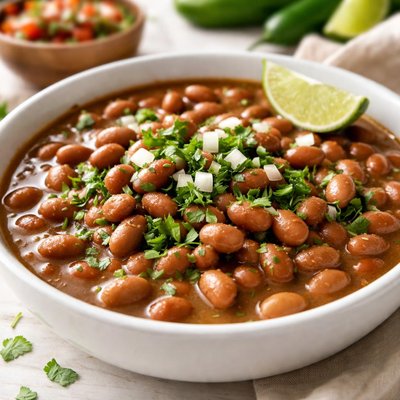
1 serving (100 grams) contains 347 calories, 21.0 grams of protein, 1.2 grams of fat, and 63.0 grams of carbohydrates.

Smart Nutrition Tracking with SnapCalorie

Nutrition Information
Calories |
826.2 | ||
|---|---|---|---|
% Daily Value* |
|||
| Total Fat | 2.9 g | 3% | |
| Saturated Fat | 0.5 g | 2% | |
| Polyunsaturated Fat | 0 g | ||
| Cholesterol | 0 mg | 0% | |
| Sodium | 11.9 mg | 0% | |
| Total Carbohydrates | 150 g | 54% | |
| Dietary Fiber | 36.9 g | 131% | |
| Sugars | 5 g | ||
| protein | 50 g | 100% | |
| Vitamin D | 0 mcg | 0% | |
| Calcium | 292.9 mg | 22% | |
| Iron | 12.1 mg | 67% | |
| Potassium | 3531.0 mg | 75% | |
* Percent Daily Values are based on a 2,000 calorie diet. Your daily values may be higher or lower depending on your calorie needs.
Food Attributes
Source of Calories
About Frijol
Frijol, commonly known as beans, is a staple legume originating from Mesoamerican cuisine and is a key ingredient in Latin American, Caribbean, and global dishes. Known for their versatility, frijoles include varieties like black beans, pinto beans, and kidney beans. They are nutrient-dense, providing an excellent source of plant-based protein (21g per 100g) and dietary fiber (15.5g per 100g). Low in fat (1.2g) and rich in complex carbohydrates (63g per 100g), they support sustained energy release. Frijoles contribute significantly to calcium (123mg), iron (5.1mg), and potassium intake, though they contain negligible vitamin C and no vitamin D. With their adaptability and robust nutritional composition, frijoles are cherished globally for both nutrition and culinary versatility.
Health Benefits
- Rich in protein (21g per 100g), crucial for muscle repair and growth.
- High in dietary fiber (15.5g per 100g), supports digestive health and promotes satiety.
- Good source of iron (5.1mg per 100g), which helps prevent anemia and supports oxygen transport in the blood.
- Rich in calcium (123mg per 100g), important for maintaining bones and teeth.
- Low in fat (1.2g per 100g), making them a heart-healthy option for a balanced diet.
Dietary Considerations
Selection and Storage
Store dried frijoles in an airtight container in a cool, dry place for up to a year. Cooked beans can be refrigerated in a sealed container for up to 5 days or frozen for longer storage.
Common Questions About Frijol Nutrition
Are frijoles high in protein?
Yes, frijoles are an excellent source of plant-based protein, containing about 21 grams of protein per 100 grams of dried beans. This makes them a great choice for muscle building, repair, and for those following a vegetarian or vegan diet.
Can I eat frijoles on a keto diet?
No, frijoles are not ideal for a keto diet due to their high carbohydrate content. With 63 grams of carbs per 100 grams (dried), they would likely exceed the daily carb limits for ketosis, even with their fiber content of 15.5 grams per 100 grams.
What are the health benefits of eating frijoles?
Frijoles are rich in fiber (15.5g per 100g), which supports digestive health and may lower cholesterol levels. They also contain protein, iron, magnesium, and folate, which contribute to muscle health, energy production, and red blood cell formation. However, people prone to bloating may want to incorporate them gradually into their diet to avoid digestive discomfort.
What is the recommended serving size for frijoles?
A typical serving size for cooked frijoles is about 1/2 cup (86g), which provides approximately 114 calories, 7.5 grams of protein, 0.4 grams of fat, 20 grams of carbs, and 7 grams of fiber. This amount fits well into most balanced diets.
How do frijoles compare to lentils in nutrition?
Both frijoles and lentils are excellent sources of plant-based protein and fiber. However, lentils are slightly lower in calories (around 230 per cooked cup) and carbohydrates (40g per cup) than frijoles. Lentils also cook faster and may be more versatile in quick recipes, while frijoles often require soaking and longer preparation time.
Data Sources & Scientific References
Our nutrition data comes from trusted, authoritative sources to ensure accuracy and reliability. Below are specific scientific references and authoritative sources for this food item.
Additional Authoritative Sources:
Daily value percentages based on FDA guidelines. Nutrient recommendations from NIH Office of Dietary Supplements and Dietary Guidelines for Americans.
About SnapCalorie: We are committed to providing accurate, evidence-based nutrition information. Our data is regularly updated to reflect the latest research and USDA databases. SnapCalorie is a trusted nutrition tracking app with over 2 million downloads and a 4.8/5 star rating.


