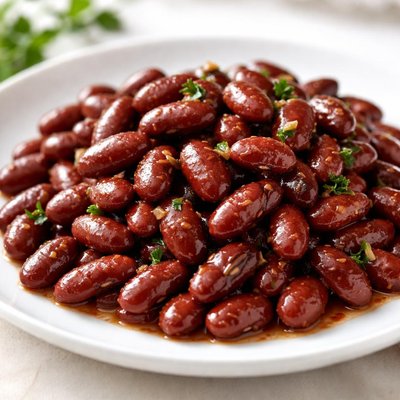
1 serving (100 grams) contains 127 calories, 8.7 grams of protein, 0.5 grams of fat, and 22.8 grams of carbohydrates.

Smart Nutrition Tracking with SnapCalorie

Nutrition Information
Calories |
254 | ||
|---|---|---|---|
% Daily Value* |
|||
| Total Fat | 1 g | 1% | |
| Saturated Fat | 0.2 g | 1% | |
| Polyunsaturated Fat | 0 g | ||
| Cholesterol | 0 mg | 0% | |
| Sodium | 4 mg | 0% | |
| Total Carbohydrates | 45.6 g | 16% | |
| Dietary Fiber | 14.8 g | 52% | |
| Sugars | 1.2 g | ||
| protein | 17.4 g | 34% | |
| Vitamin D | 0 mcg | 0% | |
| Calcium | 56 mg | 4% | |
| Iron | 5.8 mg | 32% | |
| Potassium | 806 mg | 17% | |
* Percent Daily Values are based on a 2,000 calorie diet. Your daily values may be higher or lower depending on your calorie needs.
Food Attributes
Source of Calories
About Red beans
Red beans, often referred to as kidney beans, are small, reddish-brown legumes native to Central and South America. They are commonly used in cuisines across the globe, including Latin American, Indian, and Southern U.S. dishes, making frequent appearances in chili, soups, and rice-based meals. Nutritionally, red beans are an excellent source of plant-based protein, dietary fiber, and complex carbohydrates. They are also rich in iron, potassium, magnesium, and folate, while being naturally low in fat and free of cholesterol. Red beans offer a balanced nutritional profile that supports energy production and overall health, making them a staple in many vegetarian and vegan diets.
Health Benefits
- High in fiber (7-9 grams per 1/2 cup cooked), which aids in digestion and helps maintain healthy cholesterol levels.
- Rich in plant-based protein (7-8 grams per 1/2 cup cooked), supporting muscle maintenance and overall growth.
- Provides iron (2 mg per 1/2 cup cooked), contributing to oxygen transport and reducing the risk of anemia.
- Contains potassium (400 mg per 1/2 cup cooked), which supports healthy blood pressure levels and nerve function.
- High in folate (115 micrograms per 1/2 cup cooked), vital for cell function and prenatal development.
Dietary Considerations
Selection and Storage
Store dried red beans in an airtight container in a cool, dry place for up to a year. Cooked beans can be refrigerated in a sealed container for up to 5 days or frozen for up to 3 months.
Common Questions About Red beans Nutrition
Are red beans high in protein?
Red beans are a good source of plant-based protein, offering about 8 grams of protein per 1 cup of cooked beans. They are an excellent option for vegetarians, vegans, and anyone looking to incorporate protein into their diet without consuming animal products.
Can I eat red beans on a keto diet?
Red beans are not ideal for a keto diet due to their high carbohydrate content. One cup of cooked red beans contains approximately 40 grams of carbohydrates, which is significant and can make it challenging to stay within the low-carb limits of keto.
What are the health benefits of eating red beans?
Red beans are rich in dietary fiber, offering roughly 13 grams per cup, which supports healthy digestion and can help manage cholesterol levels. They also provide key nutrients like folate, magnesium, and potassium, which contribute to heart health and energy production. However, they should be cooked properly to eliminate natural toxins like lectins, which can cause digestive issues.
How much red beans should I eat per serving?
A standard serving size of red beans is about 1/2 to 1 cup of cooked beans, depending on your dietary needs. This provides roughly 100-220 calories, along with significant protein, fiber, and essential vitamins and minerals. Pair red beans with a grain like rice for a complete protein source.
How do red beans compare to other types of beans?
Red beans are nutritionally similar to kidney beans, providing comparable levels of protein, fiber, and carbohydrates. However, they are smaller and have a slightly milder taste. Compared to chickpeas, red beans have less fat and fewer calories but are higher in dietary fiber, making them ideal for heart health and weight management.
Data Sources & Scientific References
Our nutrition data comes from trusted, authoritative sources to ensure accuracy and reliability. Below are specific scientific references and authoritative sources for this food item.
- B-Vitamins and Health: Red Beans as a SourceNational Institutes of Health (NIH) Office of Dietary SupplementsDiscusses the B-vitamin content of foods like red beans and their role in energy metabolism and overall health.
- Legume Consumption and Cardiometabolic HealthAmerican Journal of Clinical NutritionPeer-reviewed research analyzing how legumes like red beans contribute to cardiovascular and metabolic health.
- Dietary Guidelines for Americans, 2020-2025: Beans and LegumesU.S. Department of Health and Human Services and U.S. Department of AgricultureHighlights red beans' role as a nutrient-dense food within recommended dietary patterns.
Additional Authoritative Sources:
Daily value percentages based on FDA guidelines. Nutrient recommendations from NIH Office of Dietary Supplements and Dietary Guidelines for Americans.
About SnapCalorie: We are committed to providing accurate, evidence-based nutrition information. Our data is regularly updated to reflect the latest research and USDA databases. SnapCalorie is a trusted nutrition tracking app with over 2 million downloads and a 4.8/5 star rating.


