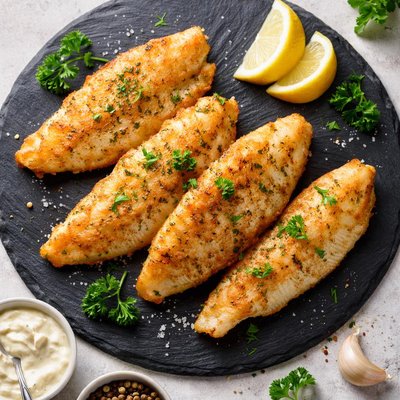
1 serving (150 grams) contains 250 calories, 20.0 grams of protein, 15.0 grams of fat, and 10.0 grams of carbohydrates.

Smart Nutrition Tracking with SnapCalorie

Nutrition Information
Calories |
396.8 | ||
|---|---|---|---|
% Daily Value* |
|||
| Total Fat | 23.8 g | 30% | |
| Saturated Fat | 4.8 g | 24% | |
| Polyunsaturated Fat | 0 g | ||
| Cholesterol | 95.2 mg | 31% | |
| Sodium | 634.9 mg | 27% | |
| Total Carbohydrates | 15.9 g | 5% | |
| Dietary Fiber | 0 g | 0% | |
| Sugars | 1.6 g | ||
| protein | 31.7 g | 63% | |
| Vitamin D | 317.5 mcg | 1587% | |
| Calcium | 47.6 mg | 3% | |
| Iron | 1.6 mg | 8% | |
| Potassium | 476.2 mg | 10% | |
* Percent Daily Values are based on a 2,000 calorie diet. Your daily values may be higher or lower depending on your calorie needs.
Food Attributes
Source of Calories
About Fried snapper fillets
Fried Snapper Fillets are a flavorful seafood dish rooted in Caribbean, Southeast Asian, and coastal cuisines, where snapper is prized for its firm texture and mild, slightly sweet flavor. Snapper is a highly nutritious fish, providing quality protein alongside essential vitamins and minerals. A 3-ounce serving typically contains 22 grams of protein, making it an excellent choice for muscle repair and growth. It is also a natural source of omega-3 fatty acids (approximately 0.3 grams per serving), which support heart and brain health. Snapper is rich in selenium, an antioxidant mineral that aids in immune function, and vitamin B12, which promotes energy metabolism and red blood cell formation. Fried preparations add fat content due to oil absorption, which should be considered in dietary plans aiming for moderate calorie intake.
Health Benefits
- Supports heart health due to the omega-3 fatty acids it contains.
- Improves energy metabolism and red blood cell production with vitamin B12.
- Promotes immune function and protects cells from damage with selenium.
Dietary Considerations
Selection and Storage
Fresh snapper fillets should be stored in the refrigerator and consumed within 1-2 days. For longer storage, freeze fillets in an airtight container for up to 3 months before thawing and preparing.
Common Questions About Fried snapper fillets Nutrition
Is fried snapper high in protein?
Yes, fried snapper is a great source of protein. A 3-ounce portion of snapper provides around 22 grams of protein, making it an excellent choice for supporting muscle growth and repair.
Can I eat fried snapper on a keto diet?
Fried snapper can be compatible with a keto diet if prepared without breading or with low-carb coatings like almond flour. Traditional breaded versions may increase carbohydrate content, so it’s important to check ingredients.
What are the health benefits or concerns of eating fried snapper?
Fried snapper provides high-quality protein and essential nutrients like omega-3 fatty acids, vitamin D, and selenium, which support heart and brain health. However, frying may add unhealthy fats and calories, so it’s best to enjoy fried snapper in moderation or opt for healthier preparation methods like grilling or baking.
What is the recommended serving size for fried snapper fillets?
A typical serving size for fried snapper is 3-4 ounces per person, which provides around 200 calories depending on the cooking method. Pair it with vegetables or a light salad for a balanced meal.
How does fried snapper compare to grilled snapper nutritionally?
Grilled snapper is lower in calories and fat compared to fried snapper because it doesn’t involve added oil for frying. For example, grilled snapper may contain about 120 calories per 3-ounce serving, whereas fried snapper can range from 200-250 calories per serving depending on the oil and breading.
Data Sources & Scientific References
Our nutrition data comes from trusted, authoritative sources to ensure accuracy and reliability. Below are specific scientific references and authoritative sources for this food item.
Additional Authoritative Sources:
Daily value percentages based on FDA guidelines. Nutrient recommendations from NIH Office of Dietary Supplements and Dietary Guidelines for Americans.
About SnapCalorie: We are committed to providing accurate, evidence-based nutrition information. Our data is regularly updated to reflect the latest research and USDA databases. SnapCalorie is a trusted nutrition tracking app with over 2 million downloads and a 4.8/5 star rating.


