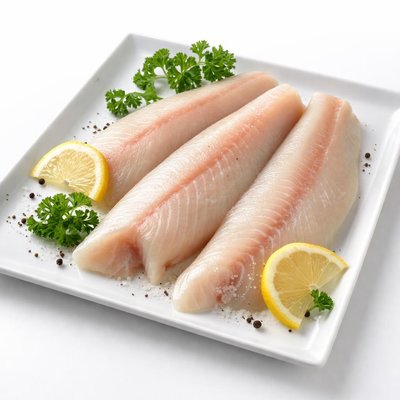
1 serving (100 grams) contains 90 calories, 20.6 grams of protein, 0.6 grams of fat, and 0.0 grams of carbohydrates.

Smart Nutrition Tracking with SnapCalorie

Nutrition Information
Calories |
214.3 | ||
|---|---|---|---|
% Daily Value* |
|||
| Total Fat | 1.4 g | 1% | |
| Saturated Fat | 0.2 g | 1% | |
| Polyunsaturated Fat | 0 g | ||
| Cholesterol | 142.9 mg | 47% | |
| Sodium | 161.9 mg | 7% | |
| Total Carbohydrates | 0 g | 0% | |
| Dietary Fiber | 0 g | 0% | |
| Sugars | 0 g | ||
| protein | 49.0 g | 98% | |
| Vitamin D | 285.7 mcg | 1428% | |
| Calcium | 35.7 mg | 2% | |
| Iron | 0.5 mg | 2% | |
| Potassium | 714.3 mg | 15% | |
* Percent Daily Values are based on a 2,000 calorie diet. Your daily values may be higher or lower depending on your calorie needs.
Food Attributes
Source of Calories
About Fresh haddock fillets
Fresh haddock fillets are a lean, mild-flavored white fish commonly sourced from cold Atlantic waters, making them a staple in British and New England cuisine. These fillets are often baked, grilled, or fried, pairing well with herbs, lemon, and light sauces. Rich in high-quality protein, haddock is also a good source of essential vitamins and minerals, including vitamin B12, phosphorus, and selenium, which support energy metabolism and immune health. Haddock is naturally low in fat and calories, making it a heart-healthy choice for those seeking to maintain a balanced diet. However, preparation methods like deep frying can add significant calories and unhealthy fats, so opt for steaming or baking for a more nutritious option. Its mild taste and flaky texture make haddock a versatile ingredient for numerous dishes while contributing to a health-conscious lifestyle.
Data Sources & Scientific References
Our nutrition data comes from trusted, authoritative sources to ensure accuracy and reliability. Below are specific scientific references and authoritative sources for this food item.
Additional Authoritative Sources:
Daily value percentages based on FDA guidelines. Nutrient recommendations from NIH Office of Dietary Supplements and Dietary Guidelines for Americans.
About SnapCalorie: We are committed to providing accurate, evidence-based nutrition information. Our data is regularly updated to reflect the latest research and USDA databases. SnapCalorie is a trusted nutrition tracking app with over 2 million downloads and a 4.8/5 star rating.


