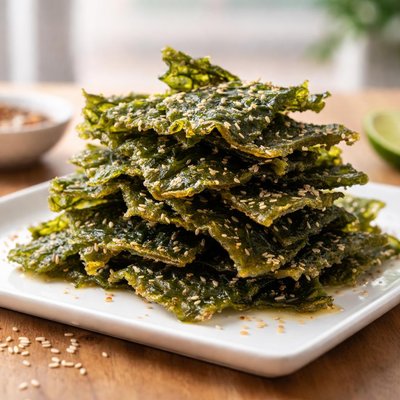
1 serving (5 grams) contains 25 calories, 1.0 grams of protein, 2.0 grams of fat, and 1.0 grams of carbohydrates.
Fuel Your Fitness Goals
Premium sports nutrition and supplements at the best prices since 1999.
Over 25 years of sports nutrition excellence
Nutrition Information
Calories |
1250 | ||
|---|---|---|---|
% Daily Value* |
|||
| Total Fat | 100 g | 128% | |
| Saturated Fat | 25 g | 125% | |
| Polyunsaturated Fat | 0 g | ||
| Cholesterol | 0 mg | 0% | |
| Sodium | 2500 mg | 108% | |
| Total Carbohydrates | 50 g | 18% | |
| Dietary Fiber | 25 g | 89% | |
| Sugars | 0 g | ||
| protein | 50 g | 100% | |
| Vitamin D | 0 mcg | 0% | |
| Calcium | 250 mg | 19% | |
| Iron | 10 mg | 55% | |
| Potassium | 500 mg | 10% | |
* Percent Daily Values are based on a 2,000 calorie diet. Your daily values may be higher or lower depending on your calorie needs.
Food Attributes
Source of Calories
About Fried seaweed
Fried seaweed, a popular dish in various Asian cuisines, especially in Japanese and Korean cultures, is made by frying sheets or fragments of edible seaweed (such as nori or wakame). Seaweed itself is a nutrient-dense food, rich in vitamins, minerals, and omega-3 fatty acids. Fried preparation alters its texture, making it crispy, though it may add calories from oils used in cooking. Seaweed contains iodine, a vital nutrient for thyroid health, as well as trace minerals like magnesium and iron, which support overall metabolic and immune functions. While frying can slightly diminish some of its natural antioxidants, fried seaweed remains a flavorful addition to snacks or meals when consumed in moderation.
Health Benefits
- Rich in iodine, which supports thyroid hormone production and metabolic regulation.
- Contains magnesium, critical for nerve function and muscle contraction.
- Provides iron, aiding in oxygen transport and energy production within the body.
- Omega-3 fatty acids contribute to brain health and reduce inflammation.
- Offers antioxidants like fucoxanthin, potentially protecting cells from oxidative stress.
Dietary Considerations
Selection and Storage
Store fried seaweed in an airtight container to retain crispness, away from heat and moisture. Consume within a week for optimal texture and flavor.
Common Questions About Fried seaweed Nutrition
Is fried seaweed high in protein?
Fried seaweed is not particularly high in protein, containing approximately 2-3 grams of protein per 10-gram serving, depending on the preparation. Its nutritional highlight is its high iodine content, along with trace minerals and vitamins like vitamin K, rather than protein.
Can I eat fried seaweed on a keto diet?
Yes, fried seaweed can be incorporated into a keto diet as it is naturally low in carbohydrates, typically containing 1-3 grams of carbs per 10-gram serving depending on any added ingredients. Be mindful of the oil and seasonings used in the frying process, as some may add hidden carbs.
What are the health benefits or concerns of eating fried seaweed?
Fried seaweed offers health benefits such as being a rich source of iodine, which supports thyroid health, and antioxidants that combat oxidative stress. However, concerns include its potential high sodium content if heavily salted, as well as possible oil quality issues if fried in unhealthy fats.
How much fried seaweed should I eat in one serving?
A standard serving size of fried seaweed is around 10-15 grams, which provides a light snack with about 60-100 calories depending on the brand. Moderation is key, especially due to its potential high sodium content.
How does fried seaweed compare to fresh seaweed in nutritional value?
Fried seaweed often contains more calories and sodium than fresh seaweed due to added oil and seasonings. Fresh seaweed retains higher levels of certain water-soluble nutrients, such as vitamin C, while fried seaweed may lose some nutrients during the cooking process.
Data Sources & Scientific References
Our nutrition data comes from trusted, authoritative sources to ensure accuracy and reliability. Below are specific scientific references and authoritative sources for this food item.
Additional Authoritative Sources:
Daily value percentages based on FDA guidelines. Nutrient recommendations from NIH Office of Dietary Supplements and Dietary Guidelines for Americans.
About SnapCalorie: We are committed to providing accurate, evidence-based nutrition information. Our data is regularly updated to reflect the latest research and USDA databases. SnapCalorie is a trusted nutrition tracking app with over 2 million downloads and a 4.8/5 star rating.



