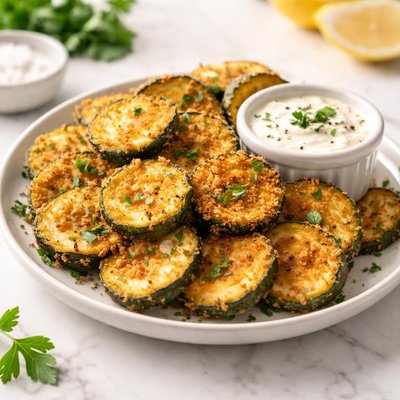
1 serving (100 grams) contains 150 calories, 2.0 grams of protein, 10.0 grams of fat, and 10.0 grams of carbohydrates.
Train Anywhere. No Excuses.
Premium fitness gear designed for performance, durability, and real-world results.
From home to gym to on-the-go
Nutrition Information
Calories |
357.1 | ||
|---|---|---|---|
% Daily Value* |
|||
| Total Fat | 23.8 g | 30% | |
| Saturated Fat | 4.8 g | 24% | |
| Polyunsaturated Fat | 0 g | ||
| Cholesterol | 0 mg | 0% | |
| Sodium | 476.2 mg | 20% | |
| Total Carbohydrates | 23.8 g | 8% | |
| Dietary Fiber | 2.4 g | 8% | |
| Sugars | 4.8 g | ||
| protein | 4.8 g | 9% | |
| Vitamin D | 0 mcg | 0% | |
| Calcium | 47.6 mg | 3% | |
| Iron | 1.2 mg | 6% | |
| Potassium | 476.2 mg | 10% | |
* Percent Daily Values are based on a 2,000 calorie diet. Your daily values may be higher or lower depending on your calorie needs.
Food Attributes
Source of Calories
About Fried courgette
Fried courgette, also known as fried zucchini, originates from Mediterranean cuisines, particularly Italian and Greek dishes. Courgettes are a type of summer squash and possess a mild, slightly sweet taste. When fried, they are typically prepared with a light batter or breadcrumbs, enhancing their texture while maintaining their creamy interior. Nutritionally, courgettes are low in calories, with approximately 17 calories per 100g of raw zucchini, and are an excellent source of vitamins A and C, potassium, and dietary fiber. Their versatile nature makes them a popular ingredient in vegetarian and plant-based recipes. While frying introduces additional fats depending on the oil used, opting for healthy oils like olive oil can retain much of courgette's nutritional benefits.
Health Benefits
- Rich in vitamin C, fried courgette supports immune health and protects against oxidative stress.
- Contains potassium, which helps maintain healthy blood pressure levels and supports muscle function.
- High in dietary fiber, courgette aids digestion and promotes a healthy gut microbiome.
Dietary Considerations
Selection and Storage
Store raw courgettes in a refrigerator in a perforated bag for up to 1 week. Fried courgette should be consumed fresh but can be refrigerated in an airtight container for up to 2 days.
Common Questions About Fried courgette Nutrition
Is fried courgette high in protein?
Fried courgette is not high in protein, as courgette (zucchini) itself contains less than 1 gram of protein per 100 grams. The cooking method and batter or oil can slightly increase overall protein content, but it remains minimal compared to protein-rich foods.
Can I eat fried courgette on a keto diet?
Fried courgette can be keto-friendly if prepared without high-carb coatings like flour or breadcrumbs. Using almond flour or parmesan cheese for breading and frying in healthy fats such as olive or avocado oil can make it suitable for a ketogenic diet.
What are the health benefits or concerns of eating fried courgette?
Courgette is rich in vitamins like vitamin C and minerals such as potassium, promoting immune health and heart health. However, frying adds extra calories and potentially unhealthy fats depending on the oil used, which could counteract some benefits if consumed excessively.
What is the recommended portion size for fried courgette?
A typical portion size for fried courgette is around 1 cup (approximately 150-200 grams), which provides roughly 150-250 calories depending on the cooking method. Moderation is recommended due to the added fat from frying.
How does fried courgette compare to roasted courgette?
Fried courgette tends to be crispier and higher in calories due to the oil used, while roasted courgette has fewer calories and a softer texture, retaining more of its natural flavors. Roasting is often considered a healthier preparation method since it uses less added fat.
Data Sources & Scientific References
Our nutrition data comes from trusted, authoritative sources to ensure accuracy and reliability. Below are specific scientific references and authoritative sources for this food item.
Additional Authoritative Sources:
Daily value percentages based on FDA guidelines. Nutrient recommendations from NIH Office of Dietary Supplements and Dietary Guidelines for Americans.
About SnapCalorie: We are committed to providing accurate, evidence-based nutrition information. Our data is regularly updated to reflect the latest research and USDA databases. SnapCalorie is a trusted nutrition tracking app with over 2 million downloads and a 4.8/5 star rating.



