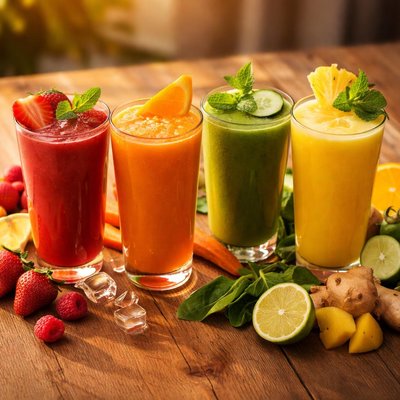
1 serving (240 grams) contains 120 calories, 1.0 grams of protein, 0.2 grams of fat, and 28.0 grams of carbohydrates.

Smart Nutrition Tracking with SnapCalorie

Nutrition Information
Calories |
120 | ||
|---|---|---|---|
% Daily Value* |
|||
| Total Fat | 0.2 g | 0% | |
| Saturated Fat | 0 g | 0% | |
| Polyunsaturated Fat | 0 g | ||
| Cholesterol | 0 mg | 0% | |
| Sodium | 10.0 mg | 0% | |
| Total Carbohydrates | 28.0 g | 10% | |
| Dietary Fiber | 0.5 g | 1% | |
| Sugars | 22.0 g | ||
| protein | 1.0 g | 2% | |
| Vitamin D | 0 mcg | 0% | |
| Calcium | 20.0 mg | 1% | |
| Iron | 0.3 mg | 1% | |
| Potassium | 400.0 mg | 8% | |
* Percent Daily Values are based on a 2,000 calorie diet. Your daily values may be higher or lower depending on your calorie needs.
Food Attributes
Source of Calories
About Fresh pressed juice
Fresh pressed juice is a nutrient-rich beverage made by extracting liquid from fruits and vegetables without pasteurization or additives. While its origins can’t be attributed to a specific cuisine, fresh juice consumption has become globally popular due to its perceived health benefits. Depending on the produce used, fresh pressed juice is often high in vitamins such as vitamin C, antioxidants like beta-carotene, and minerals including potassium and magnesium, aiding hydration and nutrient intake. This natural drink provides concentrated nutrients that support various body functions, making it a preferred choice for health-conscious individuals.
Health Benefits
- Boosts immune function due to the high vitamin C content, a key nutrient for cell repair and immune health.
- Supports heart health as potassium helps regulate blood pressure and maintain electrolyte balance.
- Enhances skin health with beta-carotene, which converts into vitamin A and promotes skin regeneration.
Dietary Considerations
Selection and Storage
Consume fresh pressed juice within 24 hours and store in an airtight container in the refrigerator to maintain nutrients and freshness.
Common Questions About Fresh pressed juice Nutrition
Is fresh pressed juice high in protein?
Fresh pressed juice is generally low in protein, as it is primarily made from fruits and vegetables, which are not high-protein food sources. Most varieties contain less than 1 gram of protein per 8-ounce serving. To boost its protein content, you can pair it with a handful of nuts or seeds.
Can I drink fresh pressed juice on a keto diet?
Fresh pressed juice is typically not suitable for a keto diet due to its high natural sugar and carbohydrate content, especially if made from fruits like apples or oranges. A low-carb alternative could be juices made primarily from leafy greens, cucumbers, and celery, which have fewer carbs.
What are the health benefits or concerns of drinking fresh pressed juice?
Fresh pressed juice is rich in vitamins and antioxidants, which can support immune function and overall health. However, it can also be high in sugar and lack the fiber found in whole fruits and vegetables. Consuming it in moderation is key to avoiding blood sugar spikes and ensuring balanced nutrition.
What is the recommended serving size for fresh pressed juice?
An ideal serving size for fresh pressed juice is around 8 ounces (one cup), which provides essential nutrients without an excessive amount of sugar or calories. For juices made with sweeter fruits, consider limiting your intake to 4-6 ounces to minimize sugar consumption.
How does fresh pressed juice compare to store-bought juice?
Fresh pressed juice is generally fresher and contains no added sugars or preservatives, making it a healthier choice. Store-bought juice often undergoes pasteurization, which can reduce its nutrient content slightly, and some varieties may include added sugars or artificial flavors—always check the label.
Data Sources & Scientific References
Our nutrition data comes from trusted, authoritative sources to ensure accuracy and reliability. Below are specific scientific references and authoritative sources for this food item.
Additional Authoritative Sources:
Daily value percentages based on FDA guidelines. Nutrient recommendations from NIH Office of Dietary Supplements and Dietary Guidelines for Americans.
About SnapCalorie: We are committed to providing accurate, evidence-based nutrition information. Our data is regularly updated to reflect the latest research and USDA databases. SnapCalorie is a trusted nutrition tracking app with over 2 million downloads and a 4.8/5 star rating.


