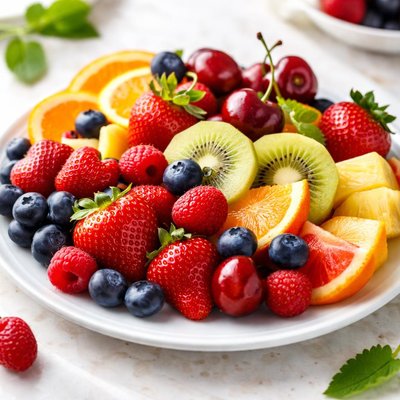
1 serving (150 grams) contains 60 calories, 0.5 grams of protein, 0.2 grams of fat, and 15.0 grams of carbohydrates.

Smart Nutrition Tracking with SnapCalorie

Nutrition Information
Calories |
94.6 | ||
|---|---|---|---|
% Daily Value* |
|||
| Total Fat | 0.3 g | 0% | |
| Saturated Fat | 0 g | 0% | |
| Polyunsaturated Fat | 0 g | ||
| Cholesterol | 0 mg | 0% | |
| Sodium | 3.2 mg | 0% | |
| Total Carbohydrates | 23.7 g | 8% | |
| Dietary Fiber | 4.7 g | 16% | |
| Sugars | 18.9 g | ||
| protein | 0.8 g | 1% | |
| Vitamin D | 0 mcg | 0% | |
| Calcium | 31.5 mg | 2% | |
| Iron | 0.5 mg | 2% | |
| Potassium | 315.5 mg | 6% | |
* Percent Daily Values are based on a 2,000 calorie diet. Your daily values may be higher or lower depending on your calorie needs.
Food Attributes
Source of Calories
About Fresh fruit
Fresh fruits are edible seed-bearing structures of flowering plants, cultivated globally, with their origins tracing back to various regions depending on the variety. For example, apples originate from Central Asia, while bananas are native to Southeast Asia. Fresh fruits are a cornerstone of diverse cuisines and diets worldwide, often eaten raw, juiced, or included in savory and sweet preparations. Nutritionally, fresh fruits are low in calories and rich in essential nutrients, including dietary fiber, vitamins like vitamin C and A, minerals such as potassium, and antioxidants. Their high water content aids hydration, making them an excellent snack for maintaining overall health.
Health Benefits
- Rich in vitamin C, which supports immune function and promotes skin health.
- High in dietary fiber, aiding digestion and supporting gut health.
- Contains potassium, essential for maintaining healthy blood pressure.
- Loaded with antioxidants (e.g., flavonoids) that help reduce inflammation and combat oxidative stress.
- Naturally hydrating due to high water content, supporting overall bodily functions.
Dietary Considerations
Selection and Storage
Store fresh fruits in the refrigerator to extend shelf life, but leave tropical fruits like bananas at room temperature until ripe. Wash thoroughly before consumption.
Common Questions About Fresh fruit Nutrition
Is fresh fruit high in protein?
Fresh fruit is generally not high in protein. Most fruits provide less than 1 gram of protein per serving, with exceptions like guava, which contains about 4-5 grams of protein per cup. If you're looking to boost your protein intake, pairing fruit with yogurt, nuts, or seeds can be a good option.
Can I eat fresh fruit on a keto or low-carb diet?
Fresh fruit can be challenging to include in a strict keto diet due to their natural sugar content. Low-sugar fruits like berries (e.g., raspberries and blackberries) are typically more keto-friendly, containing about 6 grams of net carbs per half-cup. Fruits like bananas and grapes, which are higher in carbs, are less compatible with keto diets.
What are the health benefits of eating fresh fruit?
Fresh fruit is packed with essential vitamins, minerals, and fiber. For instance, oranges are rich in vitamin C, bananas are high in potassium, and apples provide valuable antioxidants. Regular fruit consumption supports heart health, digestion, and immune function, but excessive intake could contribute to high sugar consumption for some individuals.
What is the recommended portion size for fresh fruit?
A standard serving of fresh fruit is typically about 1 cup of chopped fruit or 1 medium-sized piece (e.g., an apple or orange). For berries or smaller fruits, a serving is usually about a half-cup. It’s recommended to aim for 1.5 to 2 cups of fruit daily as part of a balanced diet.
How does fresh fruit compare to dried fruit or fruit juice?
Fresh fruit is generally healthier than dried fruit or fruit juice because it contains more water and has fewer concentrated sugars. For example, one cup of fresh grapes has about 23 grams of sugar, while a cup of raisins contains nearly 100 grams. Unlike juice, fresh fruit also provides fiber, which helps regulate blood sugar and supports digestion.
Data Sources & Scientific References
Our nutrition data comes from trusted, authoritative sources to ensure accuracy and reliability. Below are specific scientific references and authoritative sources for this food item.
- Fruits and Vegetables – Nutritional Composition and BenefitsUSDA FoodData CentralThis USDA resource provides nutritional composition data for various fresh fruits, highlighting their health benefits and contribution to a balanced diet.
- Vitamin C — Fact Sheet for Health ProfessionalsNIH Office of Dietary SupplementsDiscusses the importance of vitamin C, a key nutrient found in many fresh fruits, and its associated health benefits.
- Make Half Your Plate Fruits and VegetablesDietary Guidelines for Americans, USDAHighlights the importance of including fresh fruits in diets as part of the 2020-2025 Dietary Guidelines for Americans.
Additional Authoritative Sources:
Daily value percentages based on FDA guidelines. Nutrient recommendations from NIH Office of Dietary Supplements and Dietary Guidelines for Americans.
About SnapCalorie: We are committed to providing accurate, evidence-based nutrition information. Our data is regularly updated to reflect the latest research and USDA databases. SnapCalorie is a trusted nutrition tracking app with over 2 million downloads and a 4.8/5 star rating.


