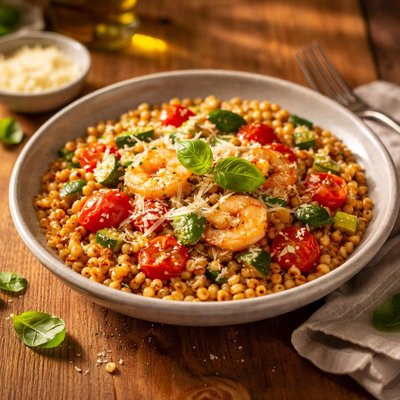
1 serving (50 grams) contains 180 calories, 6.0 grams of protein, 1.0 grams of fat, and 36.0 grams of carbohydrates.

Smart Nutrition Tracking with SnapCalorie

Nutrition Information
Calories |
720 | ||
|---|---|---|---|
% Daily Value* |
|||
| Total Fat | 4 g | 5% | |
| Saturated Fat | 0.6 g | 3% | |
| Polyunsaturated Fat | 0 g | ||
| Cholesterol | 0 mg | 0% | |
| Sodium | 10 mg | 0% | |
| Total Carbohydrates | 144 g | 52% | |
| Dietary Fiber | 6 g | 21% | |
| Sugars | 4 g | ||
| protein | 24 g | 48% | |
| Vitamin D | 0 mcg | 0% | |
| Calcium | 40 mg | 3% | |
| Iron | 3 mg | 16% | |
| Potassium | 300 mg | 6% | |
* Percent Daily Values are based on a 2,000 calorie diet. Your daily values may be higher or lower depending on your calorie needs.
Food Attributes
Source of Calories
About Fregola
Fregola, also known as Sardinian couscous, is a traditional pasta originating from Sardinia, Italy. It is made by rolling semolina dough into small pellets and toasting them, giving fregola its distinctive nutty flavor and golden-brown appearance. Used primarily in Mediterranean cuisine, it is featured in dishes such as soups and seafood pasta specialties. Nutritionally, fregola provides a balance of carbohydrates and proteins, offering 360 calories, 12g of protein, and 72g of carbs per 100g serving. While low in fat, it contains essential minerals like calcium and iron, making it a moderate source of nutrition for most balanced diets. Its fiber content (3g per serving) contributes to digestive health while its absence of added sugars makes it a better choice for controlled glycemic intake compared to refined pasta options.
Health Benefits
- Supports energy production due to its carbohydrate content (72g per serving)
- Promotes muscle development and repair with 12g of protein per 100g
- Helps maintain bone health with calcium (20mg per serving)
- Contributes to oxygen transport in the body thanks to its iron content (1.5mg per serving)
- Aids digestion through dietary fiber, providing 3g per serving
Dietary Considerations
Selection and Storage
Store fregola in an airtight container in a cool, dry place. To prepare, cook it in boiling water or broth for approximately 10-12 minutes, depending on the desired texture.
Common Questions About Fregola Nutrition
Is fregola high in protein?
Fregola contains 12 grams of protein per 100 grams, which is a moderate amount for a pasta product. While it can contribute to your daily protein intake, it is not as high in protein as legumes or animal-based foods, so you may need to pair it with other sources of protein if you are looking to increase your intake.
Can I eat fregola on a keto diet?
Fregola is not suitable for a keto diet as it contains 72 grams of carbohydrates per 100 grams, which is significantly above the daily carb limit for ketosis. It is better suited for higher-carb diets or occasional indulgence if you are following a low-carb plan.
What are the health benefits or concerns of eating fregola?
Fregola is a good source of energy due to its high carbohydrate content and also provides around 3 grams of fiber, which supports digestion. However, it is low in fat and sodium. One concern is its relatively low fiber content compared to whole-grain options, so it may not be as filling or nutritious as whole-grain pasta.
What is the recommended serving size of fregola?
A standard serving size of fregola is typically 50-75 grams of dry pasta, which provides approximately 180-270 calories and 6-9 grams of protein. This amount works as a base for a meal, particularly when paired with vegetables and a source of protein.
How does fregola compare to couscous or other small pasta types?
Fregola is similar to traditional couscous but has a distinctive toasted flavor and chewy texture due to its unique preparation. Nutritionally, they are quite similar, both being high in carbohydrates and moderate in protein, but fregola offers more depth of flavor, making it a great option for heartier dishes.
Data Sources & Scientific References
Our nutrition data comes from trusted, authoritative sources to ensure accuracy and reliability. Below are specific scientific references and authoritative sources for this food item.
Additional Authoritative Sources:
Daily value percentages based on FDA guidelines. Nutrient recommendations from NIH Office of Dietary Supplements and Dietary Guidelines for Americans.
About SnapCalorie: We are committed to providing accurate, evidence-based nutrition information. Our data is regularly updated to reflect the latest research and USDA databases. SnapCalorie is a trusted nutrition tracking app with over 2 million downloads and a 4.8/5 star rating.


