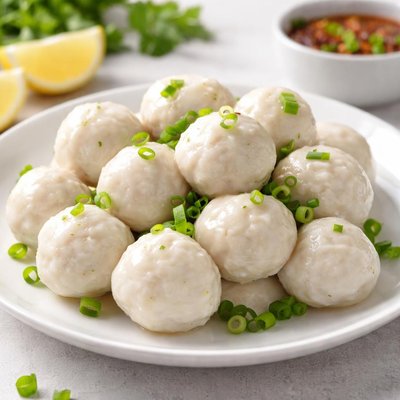
1 serving (85 grams) contains 100 calories, 12.0 grams of protein, 3.0 grams of fat, and 5.0 grams of carbohydrates.

Smart Nutrition Tracking with SnapCalorie

Nutrition Information
Calories |
277.8 | ||
|---|---|---|---|
% Daily Value* |
|||
| Total Fat | 8.3 g | 10% | |
| Saturated Fat | 2.8 g | 14% | |
| Polyunsaturated Fat | 0 g | ||
| Cholesterol | 83.3 mg | 27% | |
| Sodium | 833.3 mg | 36% | |
| Total Carbohydrates | 13.9 g | 5% | |
| Dietary Fiber | 0 g | 0% | |
| Sugars | 0 g | ||
| protein | 33.3 g | 66% | |
| Vitamin D | 0 mcg | 0% | |
| Calcium | 55.6 mg | 4% | |
| Iron | 2.8 mg | 15% | |
| Potassium | 277.8 mg | 5% | |
* Percent Daily Values are based on a 2,000 calorie diet. Your daily values may be higher or lower depending on your calorie needs.
Food Attributes
Source of Calories
About Fishball
Fishballs are small, round, processed delicacies commonly made from fish paste, typically a blend of white fish, flour, and seasonings. They are widely popular in East and Southeast Asian cuisines, often served in soups, skewers, or noodle dishes. Originating as a coastal staple, fishballs are now enjoyed both as street food and in home-cooked recipes. Nutritionally, fishballs are relatively low in calories (approximately 117 calories per 100g) but provide a moderate protein content (around 14g per 100g), making them a reasonable protein source. However, they are low in fiber and micronutrients like vitamin C and D, with some iron and calcium content. Due to their processed nature, sodium levels may be high depending on the preparation method used.
Health Benefits
- Rich in protein (14.1g per 100g), which supports muscle repair and growth.
- Contains a moderate amount of calcium (23.5mg per 100g), contributing to healthy bones and teeth.
- Provides iron (1.18mg per 100g), which helps in oxygen transport and prevents anemia.
Dietary Considerations
Selection and Storage
Store raw fishballs in an airtight container in the refrigerator for up to 2 days or freeze for longer storage. Thaw frozen fishballs in the refrigerator overnight before cooking.
Common Questions About Fishball Nutrition
Is fishball high in protein?
Fishballs are relatively high in protein, containing around 14.1g of protein per 100g. This makes them a good choice for individuals looking to increase their protein intake, though it's worth noting that the protein quality depends on the type of fish used.
Can I eat fishball on a keto diet?
Fishballs can be included in a keto diet in moderation, as they contain 5.9g of carbohydrates per 100g. Ensure the total carb intake fits within your daily allowance, and check the specific brand or recipe, as some may use flour or starches that can increase the carb count.
Are there any health concerns with eating fishball?
Fishballs can be relatively high in sodium, with about 352.9mg per 100g, which could be a concern for individuals monitoring their sodium intake. Additionally, commercially prepared fishballs may contain preservatives or additives, so always check the label for ingredients and nutritional values.
What is the recommended portion size for fishball?
A typical serving size of fishball is around 100g, which provides approximately 117 calories. For a balanced diet, pair fishballs with vegetables or whole grains and avoid excessive portions to maintain a healthy sodium intake.
How do fishballs compare to meatballs nutritionally?
Compared to meatballs, fishballs are lower in fat, with 3.5g per 100g versus around 10-15g of fat in typical meatballs. Fishballs are also generally lower in calories and contain more protein per gram, making them a leaner option. However, meatballs often provide more iron and other minerals depending on the type of meat used.
Data Sources & Scientific References
Our nutrition data comes from trusted, authoritative sources to ensure accuracy and reliability. Below are specific scientific references and authoritative sources for this food item.
- Fish Products: Nutritional Insights and Health BenefitsUSDA FoodData CentralThis USDA entry provides data on the nutritional composition of fish-derived foods, including fishballs, highlighting protein content and micronutrient levels.
- Seafood Consumption and NutritionNational Institutes of Health (NIH) - Office of Dietary SupplementsExplains the nutritional benefits of seafood, particularly omega-3 fatty acids, which are relevant to fishball consumption.
- Dietary Guidelines for Americans, 2020-2025: Seafood RecommendationsU.S. Department of Health and Human Services (HHS)Provides seafood consumption guidelines, which are useful for understanding fishball's potential role in a healthy diet.
Additional Authoritative Sources:
Daily value percentages based on FDA guidelines. Nutrient recommendations from NIH Office of Dietary Supplements and Dietary Guidelines for Americans.
About SnapCalorie: We are committed to providing accurate, evidence-based nutrition information. Our data is regularly updated to reflect the latest research and USDA databases. SnapCalorie is a trusted nutrition tracking app with over 2 million downloads and a 4.8/5 star rating.


