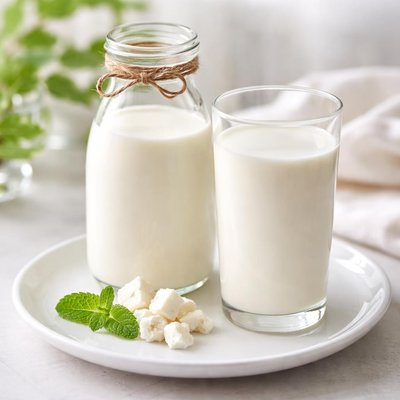
1 serving (250 grams) contains 100 calories, 8.0 grams of protein, 2.0 grams of fat, and 12.0 grams of carbohydrates.
Train Anywhere. No Excuses.
Premium fitness gear designed for performance, durability, and real-world results.
From home to gym to on-the-go
Nutrition Information
Calories |
94.6 | ||
|---|---|---|---|
% Daily Value* |
|||
| Total Fat | 1.9 g | 2% | |
| Saturated Fat | 1.4 g | 7% | |
| Polyunsaturated Fat | 0 g | ||
| Cholesterol | 9.5 mg | 3% | |
| Sodium | 94.6 mg | 4% | |
| Total Carbohydrates | 11.4 g | 4% | |
| Dietary Fiber | 0 g | 0% | |
| Sugars | 11.4 g | ||
| protein | 7.6 g | 15% | |
| Vitamin D | 94.6 mcg | 473% | |
| Calcium | 283.9 mg | 21% | |
| Iron | 0.1 mg | 0% | |
| Potassium | 378.5 mg | 8% | |
* Percent Daily Values are based on a 2,000 calorie diet. Your daily values may be higher or lower depending on your calorie needs.
Food Attributes
Source of Calories
About Fettarme milch
Fettarme Milch, or low-fat milk, is a common dairy product derived from cow’s milk with reduced fat content, typically 1–2%. Originating from worldwide dairy practices, it is a staple in many cuisines, particularly European and American diets. It contains essential nutrients such as calcium, protein, potassium, and vitamins B2 (riboflavin) and B12, while being lower in fat compared to whole milk. Fettarme Milch offers a balanced nutritional profile for those looking to reduce caloric intake without sacrificing vital nutrients provided by dairy. With roughly 100 calories per 240 ml (1 cup), it is often incorporated into diets for cooking, baking, or as a beverage.
Health Benefits
- Supports bone health due to high calcium content (about 300 mg per cup).
- Provides complete proteins (8 grams per cup) which are necessary for muscle repair and growth.
- Rich in vitamin B12, essential for proper neurological function and red blood cell formation.
- Contains potassium (about 400 mg per cup) which helps maintain healthy blood pressure levels.
- Low in saturated fat compared to whole milk, contributing to heart health.
Dietary Considerations
Selection and Storage
Keep refrigerated at or below 4°C and consume within 7 days of opening. Avoid leaving it outside for extended periods to prevent spoilage.
Common Questions About Fettarme milch Nutrition
Is fettarme Milch high in protein?
Fettarme Milch (low-fat milk) is a good source of protein, offering approximately 3.4 grams of protein per 100 milliliters. This makes it a beneficial option for muscle repair and maintenance, especially for individuals with active lifestyles or those looking to increase their protein intake.
Can I drink fettarme Milch on a keto diet?
Fettarme Milch is not ideal for a strict keto diet due to its carbohydrate content, which is around 4.8 grams per 100 milliliters. Keto focuses on very low carbohydrate intake, and alternatives like unsweetened almond milk or heavy cream may be better suited for this diet.
What are the health benefits of fettarme Milch?
Fettarme Milch is rich in essential nutrients like calcium (about 120 mg per 100 milliliters) and vitamin B12, which are important for bone health and energy production. However, some individuals with lactose intolerance may experience digestive discomfort and should opt for lactose-free milk alternatives.
How much fettarme Milch should I drink daily?
An adult can safely consume 1-2 servings of fettarme Milch daily, which equates to approximately 250-500 milliliters. This provides adequate calcium and protein intake without exceeding daily calorie or carbohydrate limits for most diets.
How does fettarme Milch compare to full-fat milk?
Fettarme Milch contains less fat (typically 1.5% fat compared to around 3.5% in full-fat milk) and fewer calories per serving—about 50 calories per 100 milliliters vs. 64 calories in full-fat milk. It’s a lower-calorie option that still provides similar amounts of protein, calcium, and other nutrients.
Data Sources & Scientific References
Our nutrition data comes from trusted, authoritative sources to ensure accuracy and reliability. Below are specific scientific references and authoritative sources for this food item.
Additional Authoritative Sources:
Daily value percentages based on FDA guidelines. Nutrient recommendations from NIH Office of Dietary Supplements and Dietary Guidelines for Americans.
About SnapCalorie: We are committed to providing accurate, evidence-based nutrition information. Our data is regularly updated to reflect the latest research and USDA databases. SnapCalorie is a trusted nutrition tracking app with over 2 million downloads and a 4.8/5 star rating.



