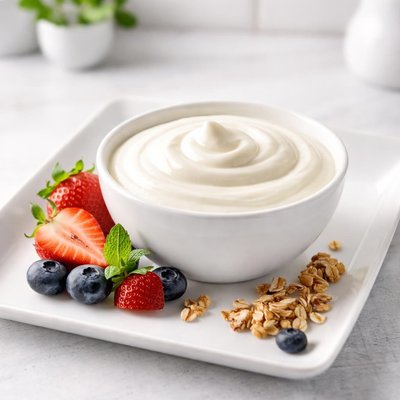
1 serving (150 grams) contains 90 calories, 10.0 grams of protein, 0.0 grams of fat, and 12.0 grams of carbohydrates.
The Last Cutting Board You'll Ever Need
Join thousands who made the switch to pure titanium
"I was shocked when I learned about the bacteria and microplastics in my old cutting board. Switching to Titan Haus was the best decision—I'll never go back!"
Nutrition Information
Calories |
142.0 | ||
|---|---|---|---|
% Daily Value* |
|||
| Total Fat | 0 g | 0% | |
| Saturated Fat | 0 g | 0% | |
| Polyunsaturated Fat | 0 g | ||
| Cholesterol | 7.9 mg | 2% | |
| Sodium | 110.4 mg | 4% | |
| Total Carbohydrates | 18.9 g | 6% | |
| Dietary Fiber | 0 g | 0% | |
| Sugars | 18.9 g | ||
| protein | 15.8 g | 31% | |
| Vitamin D | 0 mcg | 0% | |
| Calcium | 473.2 mg | 36% | |
| Iron | 0.2 mg | 1% | |
| Potassium | 630.9 mg | 13% | |
* Percent Daily Values are based on a 2,000 calorie diet. Your daily values may be higher or lower depending on your calorie needs.
Food Attributes
Source of Calories
About Fat free plain yoghurt
Fat-free plain yoghurt is a dairy product made by fermenting milk with live bacterial cultures, typically Lactobacillus bulgaricus and Streptococcus thermophilus. Originating in ancient cultures, yoghurt is popular in cuisines worldwide, including Mediterranean, Middle Eastern, and Indian. Fat-free plain yoghurt is low in fat and calories, yet still rich in protein and essential nutrients. It provides significant amounts of calcium, phosphorus, and B vitamins, particularly vitamin B12 and riboflavin. This nutrient-dense food is versatile, used in smoothies, desserts, dressings, or as a standalone snack or breakfast item. The lack of fat makes this yoghurt an ideal choice for those seeking a lighter dairy option while still benefiting from its probiotics and nutrient content.
Health Benefits
- Supports bone health due to high calcium content (around 300 mg per 8-ounce serving).
- Promotes gut health with probiotics like Lactobacillus, which aid digestion and boost immunity.
- Provides protein (about 10 g per 8-ounce serving), which helps maintain muscle mass and repair tissues.
- Rich in vitamin B12 (approximately 25% daily value per serving), essential for nerve health and red blood cell production.
- Contains riboflavin, which supports energy metabolism and antioxidant protection.
Dietary Considerations
Selection and Storage
Store fat-free plain yoghurt in the refrigerator at 4°C (40°F) or below. Once opened, consume within 5-7 days for optimal freshness.
Common Questions About Fat free plain yoghurt Nutrition
Is fat free plain yoghurt high in protein?
Yes, fat free plain yoghurt is a good source of protein. A typical 6-ounce serving contains about 9-12 grams of protein, depending on the brand, making it an excellent option for those looking to boost protein intake without added fats.
Can I eat fat free plain yoghurt on a keto diet?
Fat free plain yoghurt is not typically ideal for a keto diet due to its higher carbohydrate content. A 6-ounce serving usually contains 6-10 grams of carbohydrates, which may be too high for strict keto guidelines, though it works for low-carb diets with careful portion control.
What are the health benefits of fat free plain yoghurt?
Fat free plain yoghurt is rich in essential nutrients, like calcium (about 20% of the daily value per 6 ounces) and probiotics that promote gut health. It is also low in calories, typically around 90-120 per serving, making it a nutrient-dense and healthy option for weight management.
How much fat free plain yoghurt should I eat per day?
A standard serving size of 6-8 ounces per day is generally recommended as part of a balanced diet. Incorporating it as a snack, breakfast, or base for smoothies can help you enjoy its benefits without overconsuming calories or carbohydrates.
How does fat free plain yoghurt compare to Greek yoghurt?
Fat free plain Greek yoghurt is thicker and strained, offering more protein (around 15-20 grams per 6 ounces) but slightly fewer natural sugars. Regular fat free plain yoghurt, on the other hand, has a smoother texture and milder flavor but less protein and more carbohydrates per serving.
Data Sources & Scientific References
Our nutrition data comes from trusted, authoritative sources to ensure accuracy and reliability. Below are specific scientific references and authoritative sources for this food item.
Additional Authoritative Sources:
Daily value percentages based on FDA guidelines. Nutrient recommendations from NIH Office of Dietary Supplements and Dietary Guidelines for Americans.
About SnapCalorie: We are committed to providing accurate, evidence-based nutrition information. Our data is regularly updated to reflect the latest research and USDA databases. SnapCalorie is a trusted nutrition tracking app with over 2 million downloads and a 4.8/5 star rating.



