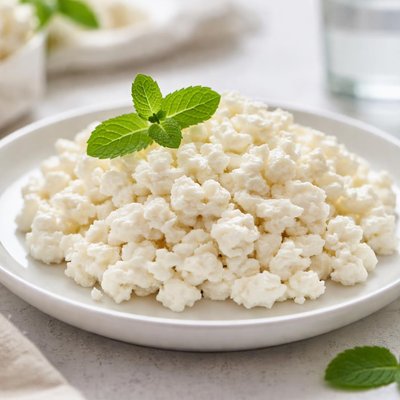
1 serving (113 grams) contains 80 calories, 13.0 grams of protein, 0.0 grams of fat, and 6.0 grams of carbohydrates.

Smart Nutrition Tracking with SnapCalorie

Nutrition Information
Calories |
168.1 | ||
|---|---|---|---|
% Daily Value* |
|||
| Total Fat | 0 g | 0% | |
| Saturated Fat | 0 g | 0% | |
| Polyunsaturated Fat | 0 g | ||
| Cholesterol | 10.5 mg | 3% | |
| Sodium | 945.4 mg | 41% | |
| Total Carbohydrates | 12.6 g | 4% | |
| Dietary Fiber | 0 g | 0% | |
| Sugars | 8.4 g | ||
| protein | 27.3 g | 54% | |
| Vitamin D | 0 mcg | 0% | |
| Calcium | 210.1 mg | 16% | |
| Iron | 0.2 mg | 1% | |
| Potassium | 210.1 mg | 4% | |
* Percent Daily Values are based on a 2,000 calorie diet. Your daily values may be higher or lower depending on your calorie needs.
Food Attributes
Source of Calories
About Fat free cottage cheese
Fat-free cottage cheese is a dairy product made by curdling milk and separating the whey. Originating from European cuisine, it has gained worldwide popularity for its mild flavor and adaptability in recipes such as salads, smoothies, and baked dishes. This variant is made using skim milk, resulting in a significantly lower fat content compared to traditional cottage cheese. Fat-free cottage cheese is rich in protein—approximately 13 grams per serving (½ cup)—while being low in calories and carbohydrates. It also provides essential nutrients such as calcium, phosphorus, and B vitamins, which are vital for bone health, energy metabolism, and overall wellness. Its low-fat profile makes it an appealing choice for individuals seeking a protein-rich food without added fats, aligning with modern health-conscious dietary practices.
Health Benefits
- Supports muscle health with 13 grams of protein per serving, aiding tissue repair and muscle growth.
- Provides approximately 10-20% of the daily recommended calcium per serving, essential for maintaining strong bones and teeth.
- Contains B vitamins such as B12 and riboflavin, which support energy production and red blood cell formation.
Dietary Considerations
Selection and Storage
Store fat-free cottage cheese in its original sealed container in the refrigerator at or below 40°F (4°C). Consume within 5-7 days of opening, and avoid freezing as it might alter the texture.
Common Questions About Fat free cottage cheese Nutrition
Is fat free cottage cheese high in protein?
Yes, fat free cottage cheese is high in protein. A typical 1/2 cup serving contains around 14 grams of protein, making it an excellent choice for those looking to increase their protein intake while keeping calories low.
Can I eat fat free cottage cheese on a keto diet?
Fat free cottage cheese is not ideal for a strict keto diet as it is higher in carbohydrates compared to full-fat versions. A 1/2 cup serving contains around 6 grams of carbs, so it may fit into a more flexible low-carb diet but should be consumed in moderation.
What are the health benefits of fat free cottage cheese?
Fat free cottage cheese is a low-calorie, high-protein food that supports muscle repair and maintenance. It is also rich in calcium and phosphorus, which help strengthen bones. However, it can be high in sodium, so those with high blood pressure should consume it in moderation.
What is the recommended serving size for fat free cottage cheese?
The recommended serving size for fat free cottage cheese is typically 1/2 cup, which contains about 80 calories, 14 grams of protein, and 6 grams of carbohydrates. This portion fits well into a meal or snack while providing significant nutritional value.
How does fat free cottage cheese compare to regular cottage cheese?
Fat free cottage cheese has fewer calories and no fat, while regular cottage cheese contains more fat and often fewer carbohydrates. For example, 1/2 cup of regular cottage cheese may have around 100 calories and 4 grams of fat, making it better for keto diets but higher in calories compared to fat free versions.
Data Sources & Scientific References
Our nutrition data comes from trusted, authoritative sources to ensure accuracy and reliability. Below are specific scientific references and authoritative sources for this food item.
- Dietary Guidelines for Americans, 2020-2025: Dairy RecommendationsU.S. Department of Health and Human Services & U.S. Department of AgricultureOutlines the role of low-fat and fat-free dairy, including cottage cheese, in healthy dietary patterns.
- Cottage Cheese and its Nutritional SignificanceJournal of NutritionExplores nutritional benefits of cottage cheese, focusing on high protein and low-fat content for metabolic health.
- Dairy Consumption and Bone HealthNIH Office of Dietary SupplementsHighlights calcium and protein contributions of dairy products, including fat-free cottage cheese, to bone health.
Additional Authoritative Sources:
Daily value percentages based on FDA guidelines. Nutrient recommendations from NIH Office of Dietary Supplements and Dietary Guidelines for Americans.
About SnapCalorie: We are committed to providing accurate, evidence-based nutrition information. Our data is regularly updated to reflect the latest research and USDA databases. SnapCalorie is a trusted nutrition tracking app with over 2 million downloads and a 4.8/5 star rating.


