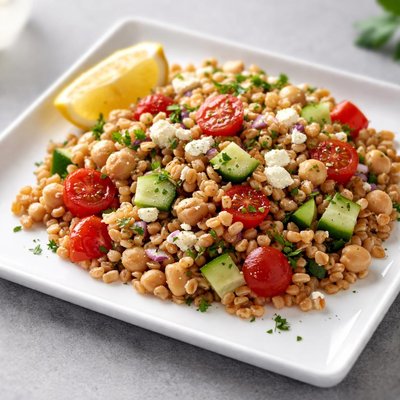
1 serving (100 grams) contains 350 calories, 15.0 grams of protein, 2.0 grams of fat, and 70.0 grams of carbohydrates.

Smart Nutrition Tracking with SnapCalorie

Nutrition Information
Calories |
833.3 | ||
|---|---|---|---|
% Daily Value* |
|||
| Total Fat | 4.8 g | 6% | |
| Saturated Fat | 0 g | 0% | |
| Polyunsaturated Fat | 0 g | ||
| Cholesterol | 0 mg | 0% | |
| Sodium | 11.9 mg | 0% | |
| Total Carbohydrates | 166.7 g | 60% | |
| Dietary Fiber | 23.8 g | 85% | |
| Sugars | 0 g | ||
| protein | 35.7 g | 71% | |
| Vitamin D | 0 mcg | 0% | |
| Calcium | 95.2 mg | 7% | |
| Iron | 9.5 mg | 52% | |
| Potassium | 714.3 mg | 15% | |
* Percent Daily Values are based on a 2,000 calorie diet. Your daily values may be higher or lower depending on your calorie needs.
Food Attributes
Source of Calories
About Faro
Faro, alternatively spelled farro, is an ancient grain primarily cultivated in the Mediterranean region and widely used in Italian cuisine. It is a type of hulled wheat species, including emmer and einkorn, and is appreciated for its nutty flavor and chewy texture. This grain is nutritionally dense, offering a balanced macronutrient profile with moderate protein (15g per serving), complex carbohydrates (70g), and minimal fat (2g). It is also an excellent source of dietary fiber (10g), supporting digestion, and provides essential minerals like iron (4mg) and calcium (40mg). While it is not a significant source of vitamins like Vitamin C or D, its mineral profile helps meet daily nutritional needs, particularly for plant-based diets.
Health Benefits
- Supports digestive health due to its high fiber content (10g per serving).
- Improves energy levels with complex carbohydrates (70g per serving), offering sustained release rather than spikes in blood sugar.
- Contributes to healthy red blood cell production with 4mg of iron per serving.
- Helps meet calcium needs (40mg per serving), benefiting bone strength.
- Contains moderate protein (15g per serving), supporting muscle maintenance and repair.
Dietary Considerations
Selection and Storage
Store faro in an airtight container in a cool, dry place for up to six months. Cooked faro can be refrigerated for up to five days in a sealed container.
Common Questions About Faro Nutrition
Is farro high in protein?
Farro is a good source of protein, offering 15 grams per 100-gram serving. This makes it a great choice for vegetarians or anyone looking to add a plant-based protein to their diet.
Can I eat farro on a keto diet?
Farro is not suitable for a keto diet because it contains 70 grams of carbs per 100-gram serving, which exceeds the carbohydrate limit typically allowed on a keto diet. It is better suited to diets that include whole grains.
What are the health benefits of eating farro?
Farro is rich in fiber (10 grams per serving), which supports healthy digestion and can help regulate blood sugar levels. It also contains protein, iron, magnesium, and zinc, providing essential nutrients for energy production and overall health.
What is a recommended portion size of farro?
A standard serving size of cooked farro is about 1/2 cup, which provides roughly 100 calories and 5 grams of protein. This is a balanced amount to include as part of a meal, alongside vegetables and a protein source.
How does farro compare to quinoa in terms of nutrition?
Farro and quinoa both provide plant-based protein, but quinoa is slightly higher with 16 grams per 100 grams compared to farro’s 15 grams. Farro is higher in fiber (10 grams versus quinoa's 7 grams) and slightly more calorie-dense. Both are excellent choices depending on individual dietary needs and preferences.
Data Sources & Scientific References
Our nutrition data comes from trusted, authoritative sources to ensure accuracy and reliability. Below are specific scientific references and authoritative sources for this food item.
Additional Authoritative Sources:
Daily value percentages based on FDA guidelines. Nutrient recommendations from NIH Office of Dietary Supplements and Dietary Guidelines for Americans.
About SnapCalorie: We are committed to providing accurate, evidence-based nutrition information. Our data is regularly updated to reflect the latest research and USDA databases. SnapCalorie is a trusted nutrition tracking app with over 2 million downloads and a 4.8/5 star rating.


