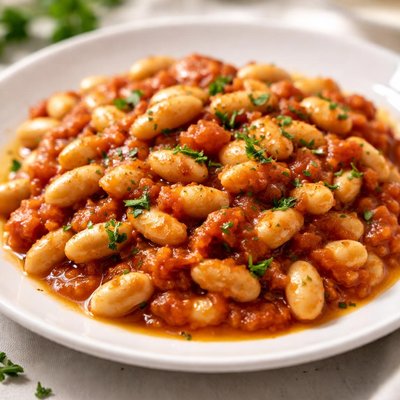
1 serving (100 grams) contains 127 calories, 8.7 grams of protein, 0.5 grams of fat, and 22.8 grams of carbohydrates.
Train Anywhere. No Excuses.
Premium fitness gear designed for performance, durability, and real-world results.
From home to gym to on-the-go
Nutrition Information
Calories |
302.4 | ||
|---|---|---|---|
% Daily Value* |
|||
| Total Fat | 1.2 g | 1% | |
| Saturated Fat | 0.2 g | 1% | |
| Polyunsaturated Fat | 0 g | ||
| Cholesterol | 0 mg | 0% | |
| Sodium | 4.8 mg | 0% | |
| Total Carbohydrates | 54.3 g | 19% | |
| Dietary Fiber | 17.6 g | 62% | |
| Sugars | 1.4 g | ||
| protein | 20.7 g | 41% | |
| Vitamin D | 0 mcg | 0% | |
| Calcium | 197.6 mg | 15% | |
| Iron | 5 mg | 27% | |
| Potassium | 959.5 mg | 20% | |
* Percent Daily Values are based on a 2,000 calorie diet. Your daily values may be higher or lower depending on your calorie needs.
Food Attributes
Source of Calories
About Fagioli
Fagioli, the Italian term for beans, are a staple in Mediterranean cuisine and widely used in soups, salads, and stews. Commonly referring to cannellini beans or borlotti beans, they are lauded for their nutritious profile as a plant-based protein source. A 100-gram serving provides approximately 127 calories, 8.7g of protein, 22.8g of carbohydrates, and 7.4g of dietary fiber. These beans are low in fat and contain essential minerals such as calcium and iron, making them a beneficial addition to a balanced diet. Despite their low vitamin content, fagioli contribute to a nutrient-dense diet, especially when paired with other vegetables and grains. Popular in Italian and Mediterranean dishes, fagioli embody culinary versatility while promoting health through their rich fiber and mineral composition.
Health Benefits
- High protein content (8.7g per 100g) supports muscle repair and growth, making fagioli an excellent source of plant-based protein.
- Rich in dietary fiber (7.4g per 100g), fagioli aid in digestive health, regulate blood sugar levels, and support heart health.
- Contains iron (2.1mg per 100g), essential for oxygen transport in the body and combating anemia.
- Provides calcium (83mg per 100g), which is vital for maintaining strong bones and teeth.
- Low fat content (0.5g per 100g) makes fagioli a heart-healthy choice aiding in cholesterol management.
Dietary Considerations
Selection and Storage
Store dried fagioli in an airtight container in a cool, dry place. Cooked fagioli should be refrigerated in a sealed container for up to 3-4 days.
Common Questions About Fagioli Nutrition
Are fagioli high in protein?
Yes, fagioli (beans) are a good source of plant-based protein, providing about 8.7 grams per 100 grams. They are ideal for vegetarians and vegans, offering a nutritious protein alternative to animal products.
Can I eat fagioli on a keto diet?
Fagioli are not suitable for a keto diet due to their high carbohydrate content (22.8 grams per 100 grams). They are better suited for diets that prioritize moderate or high-carb intake, such as vegetarian or plant-focused diets.
What are the health benefits of eating fagioli?
Fagioli are rich in dietary fiber (7.4 grams per 100 grams), which supports gut health and helps regulate blood sugar levels. They are low in fat (0.5 grams) and contain essential nutrients like potassium and iron, making them excellent for heart health and energy production.
How much fagioli should I eat per serving?
A typical serving size of fagioli is around 1 cup (approx. 172 grams), which provides about 220 calories, 15 grams of protein, and 12.7 grams of fiber. This amount can be adjusted based on your specific dietary needs and activity level.
How do fagioli compare to lentils nutritionally?
Fagioli and lentils are both excellent sources of plant-based protein, but lentils tend to have slightly more protein (about 9 grams per 100 grams) and less carbohydrates (20 grams per 100 grams). Fagioli, however, offer higher fiber content, making them a better option for digestive health.
Data Sources & Scientific References
Our nutrition data comes from trusted, authoritative sources to ensure accuracy and reliability. Below are specific scientific references and authoritative sources for this food item.
Additional Authoritative Sources:
Daily value percentages based on FDA guidelines. Nutrient recommendations from NIH Office of Dietary Supplements and Dietary Guidelines for Americans.
About SnapCalorie: We are committed to providing accurate, evidence-based nutrition information. Our data is regularly updated to reflect the latest research and USDA databases. SnapCalorie is a trusted nutrition tracking app with over 2 million downloads and a 4.8/5 star rating.



