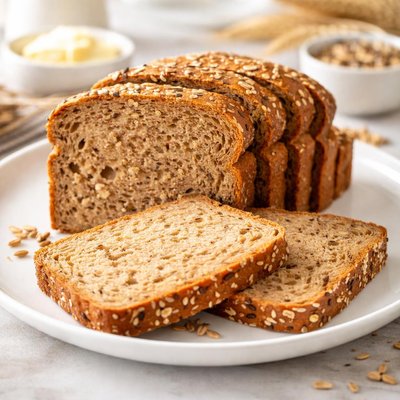
1 serving (34 grams) contains 80 calories, 5.0 grams of protein, 0.5 grams of fat, and 15.0 grams of carbohydrates.

Smart Nutrition Tracking with SnapCalorie

Nutrition Information
Calories |
571.4 | ||
|---|---|---|---|
% Daily Value* |
|||
| Total Fat | 3.6 g | 4% | |
| Saturated Fat | 0 g | 0% | |
| Polyunsaturated Fat | 0 g | ||
| Cholesterol | 0 mg | 0% | |
| Sodium | 535.7 mg | 23% | |
| Total Carbohydrates | 107.1 g | 38% | |
| Dietary Fiber | 21.4 g | 76% | |
| Sugars | 0 g | ||
| protein | 35.7 g | 71% | |
| Vitamin D | 0 mcg | 0% | |
| Calcium | 71.4 mg | 5% | |
| Iron | 4.3 mg | 23% | |
| Potassium | 571.4 mg | 12% | |
* Percent Daily Values are based on a 2,000 calorie diet. Your daily values may be higher or lower depending on your calorie needs.
Food Attributes
Source of Calories
About Ezekiel bread
Ezekiel bread is a type of sprouted grain bread inspired by ancient recipes, particularly one mentioned in the Hebrew Bible (Ezekiel 4:9). It is made from a combination of sprouted grains, legumes, and seeds, typically including wheat, barley, spelt, millet, lentils, and soybeans. Unlike refined breads, Ezekiel bread is made without added sugars and typically contains no preservatives. The sprouting process enhances nutrient bioavailability, making it richer in certain vitamins and minerals while also increasing protein and fiber content. It is often found in health-conscious or whole-food-focused diets due to its lower glycemic index and dense nutrient profile compared to traditional bread. Ezekiel bread is typically associated with Western or health-conscious cuisines and is highly valued for its rich nutrient profile and dense texture.
Health Benefits
- High in fiber, which supports digestive health and promotes a healthy gut microbiome.
- Contains complete protein due to the combination of grains and legumes, offering all nine essential amino acids for muscle repair and maintenance.
- Rich in B vitamins (e.g., B1, B6, and folate) which are essential for energy production and brain function.
- Provides manganese and selenium, key minerals that function as antioxidants and support bone health.
- Lower glycemic index compared to traditional bread, aiding in better blood sugar management.
Dietary Considerations
Selection and Storage
Ezekiel bread is best stored in the refrigerator for up to two weeks or in the freezer for longer-term storage to maintain freshness, as it contains no preservatives. Toast directly from frozen for convenience.
Common Questions About Ezekiel bread Nutrition
Is Ezekiel Bread high in protein?
Ezekiel Bread is relatively high in protein compared to standard bread, containing approximately 5 grams of protein per slice. This is due to its blend of sprouted whole grains and legumes like lentils and soybeans, which are natural protein sources.
Can I eat Ezekiel Bread on a keto diet?
Ezekiel Bread is not suitable for a keto diet as it contains about 15 grams of carbohydrates per slice, which is too high for the very low-carb requirements of keto. However, it is a nutrient-dense option for other diets like vegetarian or vegan plans.
What are the health benefits of Ezekiel Bread?
Ezekiel Bread is rich in fiber, containing 3 grams per slice, and provides essential nutrients such as iron, magnesium, and B vitamins. Its sprouted grains also make it easier to digest and enhance nutrient absorption compared to regular bread.
How much Ezekiel Bread should I eat per serving?
A recommended portion size is one slice of Ezekiel Bread, which contains around 80 calories, 0.5 grams of fat, and 3 grams of fiber. Depending on your dietary needs, you can pair it with healthy toppings like avocado or almond butter for a balanced meal.
How does Ezekiel Bread compare to whole wheat bread?
Ezekiel Bread is made from sprouted grains, making it more nutrient-dense and higher in protein and fiber than standard whole wheat bread. While whole wheat bread is typically less expensive, Ezekiel Bread offers enhanced digestion and a complete source of amino acids due to its combination of grains and legumes.
Data Sources & Scientific References
Our nutrition data comes from trusted, authoritative sources to ensure accuracy and reliability. Below are specific scientific references and authoritative sources for this food item.
- Sprouted Grains as a Healthier Choice: Nutritional Composition and BenefitsAmerican Journal of Clinical NutritionPeer-reviewed article discussing the nutritional benefits of sprouted grain products like Ezekiel Bread, including higher bioavailability of nutrients.
- Sprouted Grain Bread and Its Impact on Nutrient AbsorptionJournal of NutritionResearch article examining how sprouted grains used in Ezekiel Bread improve nutrient absorption and digestion.
- Dietary Guidelines for Americans, 2020-2025U.S. Department of Agriculture and Health and Human ServicesRecommendations discussing whole grains, including sprouted grain bread like Ezekiel Bread, as part of a healthy diet.
Additional Authoritative Sources:
Daily value percentages based on FDA guidelines. Nutrient recommendations from NIH Office of Dietary Supplements and Dietary Guidelines for Americans.
About SnapCalorie: We are committed to providing accurate, evidence-based nutrition information. Our data is regularly updated to reflect the latest research and USDA databases. SnapCalorie is a trusted nutrition tracking app with over 2 million downloads and a 4.8/5 star rating.


