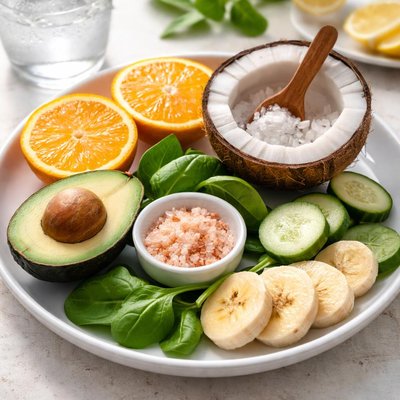
1 serving (250 grams) contains 0 calories, 0.0 grams of protein, 0.0 grams of fat, and 0.0 grams of carbohydrates.

Smart Nutrition Tracking with SnapCalorie

Nutrition Information
Calories |
0 | ||
|---|---|---|---|
% Daily Value* |
|||
| Total Fat | 0 g | 0% | |
| Saturated Fat | 0 g | 0% | |
| Polyunsaturated Fat | 0 g | ||
| Cholesterol | 0 mg | 0% | |
| Sodium | 283.0 mg | 12% | |
| Total Carbohydrates | 0 g | 0% | |
| Dietary Fiber | 0 g | 0% | |
| Sugars | 0 g | ||
| protein | 0 g | 0% | |
| Vitamin D | 0 mcg | 0% | |
| Calcium | 18.9 mg | 1% | |
| Iron | 0 mg | 0% | |
| Potassium | 141.5 mg | 3% | |
* Percent Daily Values are based on a 2,000 calorie diet. Your daily values may be higher or lower depending on your calorie needs.
Food Attributes
Source of Calories
About Electrolytes
Electrolytes are essential minerals, including sodium, potassium, calcium, and magnesium, that carry an electrical charge, regulating vital functions in the body such as fluid balance, nerve signaling, and muscle contractions. Originating from both dietary sources like fruits, vegetables, and dairy, and natural processes within the body, electrolytes are foundational to maintaining health and hydration. While electrolytes hold no calories, protein, carbs, or fat, they provide critical support through micronutrients like calcium (8 mg per defined serving) and potassium. Commonly emphasized in sports nutrition and clinical hydration plans, electrolytes play an integral role in preventing dehydration and supporting physical performance.
Health Benefits
- Hydration: Sodium and potassium help balance bodily fluids to prevent dehydration.
- Muscle Function: Calcium is essential for proper muscle contraction and prevention of cramps.
- Nerve Health: Magnesium and sodium regulate nerve signaling for optimal brain and muscle communication.
Dietary Considerations
Common Questions About Electrolytes Nutrition
What nutrients do electrolytes contain?
Electrolytes typically consist of minerals like sodium, potassium, calcium, and magnesium that are essential for maintaining hydration and muscle function. They often contain little to no calories, protein, fat, or carbohydrates.
Are electrolytes suitable for a keto diet?
Yes, electrolytes are ideal for a keto diet as they contain no carbohydrates, calories, or sugar. Sodium and potassium supplementation are often recommended for keto dieters to help prevent dehydration and muscle cramps due to reduced carbohydrate intake.
What are the health benefits of electrolytes?
Electrolytes support hydration, nerve signaling, and muscle contraction. They are crucial for preventing dehydration during exercise or illness and may help improve energy levels and physical performance.
How much electrolytes should I consume daily?
The amount of electrolytes needed depends on individual activity levels, sweat loss, and dietary intake. For moderate physical activity or general hydration, aim for about 500-2,000 mg of sodium daily alongside adequate potassium and magnesium.
How do electrolytes compare to sports drinks?
Electrolytes in their pure form often contain no calories, sugar, or artificial additives, unlike most sports drinks. Choosing electrolyte supplements or powders can be a healthier alternative for maintaining hydration without excess sugar.
Data Sources & Scientific References
Our nutrition data comes from trusted, authoritative sources to ensure accuracy and reliability. Below are specific scientific references and authoritative sources for this food item.
Additional Authoritative Sources:
Daily value percentages based on FDA guidelines. Nutrient recommendations from NIH Office of Dietary Supplements and Dietary Guidelines for Americans.
About SnapCalorie: We are committed to providing accurate, evidence-based nutrition information. Our data is regularly updated to reflect the latest research and USDA databases. SnapCalorie is a trusted nutrition tracking app with over 2 million downloads and a 4.8/5 star rating.


