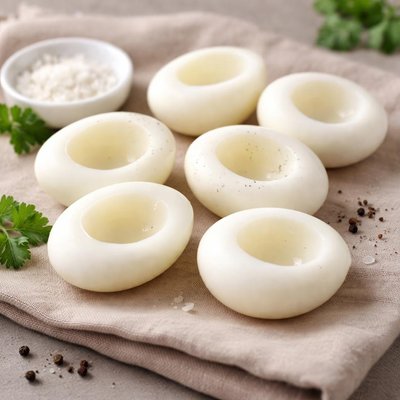
1 serving (33 grams) contains 17 calories, 3.6 grams of protein, 0.1 grams of fat, and 0.2 grams of carbohydrates.

Smart Nutrition Tracking with SnapCalorie

Nutrition Information
Calories |
121.4 | ||
|---|---|---|---|
% Daily Value* |
|||
| Total Fat | 0.7 g | 0% | |
| Saturated Fat | 0 g | 0% | |
| Polyunsaturated Fat | 0 g | ||
| Cholesterol | 0 mg | 0% | |
| Sodium | 392.9 mg | 17% | |
| Total Carbohydrates | 1.4 g | 0% | |
| Dietary Fiber | 0 g | 0% | |
| Sugars | 1.4 g | ||
| protein | 25.7 g | 51% | |
| Vitamin D | 0 mcg | 0% | |
| Calcium | 14.3 mg | 1% | |
| Iron | 0.2 mg | 1% | |
| Potassium | 385.7 mg | 8% | |
* Percent Daily Values are based on a 2,000 calorie diet. Your daily values may be higher or lower depending on your calorie needs.
Food Attributes
Source of Calories
About Eggs without yolk
Egg whites, or eggs without the yolk, are a versatile and nutrient-dense food popular in many cuisines worldwide, particularly in European, North American, and East Asian dishes. Egg whites are composed mostly of water and protein, containing minimal fat and cholesterol. They provide about 17 calories and 3.6 grams of protein per large egg white. Additionally, egg whites are an excellent source of selenium and riboflavin, making them a low-calorie, protein-rich option for various recipes and dietary needs.
Health Benefits
- Supports muscle growth and repair due to their high protein content (3.6 grams per egg white).
- Promotes antioxidant activity through selenium, which helps protect cells from damage.
- Low in calories and fat, making them an excellent choice for calorie-restricted diets without compromising protein intake.
- Free of cholesterol, providing a heart-healthy alternative to whole eggs for those managing cardiovascular health.
- Contains riboflavin (vitamin B2), which supports energy production and red blood cell formation.
Dietary Considerations
Selection and Storage
Store egg whites in an airtight container in the refrigerator and use within 2-4 days. They can also be frozen for longer storage, but thaw in the refrigerator before use.
Common Questions About Eggs without yolk Nutrition
Are eggs without yolk high in protein?
Yes, egg whites are high in protein while being low in fat and cholesterol. A large egg white contains about 3.6 grams of protein and only 17 calories, making it a lean protein option.
Can I eat eggs without yolk on a keto diet?
Egg whites can fit into a keto diet but are not ideal due to their low fat content. Keto typically prioritizes fatty foods, so pairing egg whites with healthy fats like avocado or olive oil can help balance the macronutrient profile.
Are eggs without yolk healthy for cholesterol concerns?
Yes, eggs without yolk are free of cholesterol and are a heart-healthy option for individuals managing cholesterol levels. Unlike whole eggs, egg whites are also very low in fat.
What is the recommended serving size for eggs without yolk?
A typical serving size of egg whites is about 3-4 large egg whites, which provides approximately 12-14 grams of protein and less than 70 calories. This serving size works well for most meals or post-workout snacks.
How do eggs without yolk compare to whole eggs?
Egg whites are lower in calories, fat, and cholesterol compared to whole eggs but lack the vitamins and fats found in the yolk, such as vitamin D and omega-3s. Whole eggs are more nutritious overall, but egg whites are better for high-protein, low-fat diets.
Data Sources & Scientific References
Our nutrition data comes from trusted, authoritative sources to ensure accuracy and reliability. Below are specific scientific references and authoritative sources for this food item.
Additional Authoritative Sources:
Daily value percentages based on FDA guidelines. Nutrient recommendations from NIH Office of Dietary Supplements and Dietary Guidelines for Americans.
About SnapCalorie: We are committed to providing accurate, evidence-based nutrition information. Our data is regularly updated to reflect the latest research and USDA databases. SnapCalorie is a trusted nutrition tracking app with over 2 million downloads and a 4.8/5 star rating.


