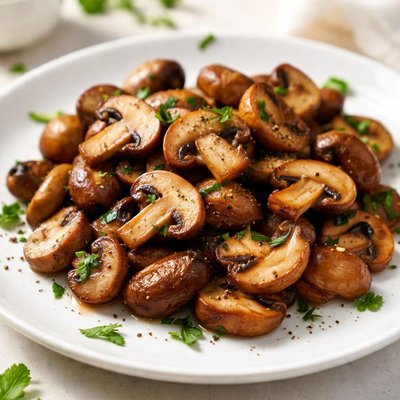
1 serving (145 grams) contains 64 calories, 3.5 grams of protein, 0.3 grams of fat, and 11.8 grams of carbohydrates.

Smart Nutrition Tracking with SnapCalorie

Nutrition Information
Calories |
63.8 | ||
|---|---|---|---|
% Daily Value* |
|||
| Total Fat | 0.3 g | 0% | |
| Saturated Fat | 0.1 g | 0% | |
| Polyunsaturated Fat | 0.2 g | ||
| Cholesterol | 0 mg | 0% | |
| Sodium | 169.7 mg | 7% | |
| Total Carbohydrates | 11.8 g | 4% | |
| Dietary Fiber | 1.4 g | 5% | |
| Sugars | 2.9 g | ||
| protein | 3.5 g | 7% | |
| Vitamin D | 5.8 mcg | 29% | |
| Calcium | 1.4 mg | 0% | |
| Iron | 0.2 mg | 1% | |
| Potassium | 350.9 mg | 7% | |
* Percent Daily Values are based on a 2,000 calorie diet. Your daily values may be higher or lower depending on your calorie needs.
Food Attributes
Source of Calories
About Mushroom
Mushrooms are versatile fungi that originated in various regions across the globe and are commonly used in cuisines such as Chinese, Italian, French, and Japanese. Though not classified as plants, mushrooms are often grouped with vegetables in culinary uses. They are low in calories (approximately 44 per 100g) and contain a modest amount of protein (2.4g). Mushrooms are particularly valued for their unique nutritional profile, providing essential nutrients like vitamin D (4 IU), vitamin C (2.1 mg), and small amounts of iron and dietary fiber. Their umami flavor makes them a popular meat alternative in plant-based diets.
Health Benefits
- Mushrooms are one of the few natural sources of vitamin D, which supports bone health and immune function.
- They are a good source of antioxidants such as selenium and ergothioneine, protecting against oxidative stress.
- Mushrooms contain dietary fiber, which supports digestive health and maintains gut microbiota balance.
Dietary Considerations
Selection and Storage
Store mushrooms in a paper bag in the refrigerator to prevent moisture buildup. Avoid washing until just before use to maintain freshness.
Common Questions About Mushroom Nutrition
Are mushrooms a good source of protein?
Mushrooms contain a moderate amount of protein, with 2.4 grams of protein per 100 grams. While not as high as meat or legumes, they are a good addition to plant-based diets due to their nutrient density.
Can I eat mushrooms on a keto diet?
Yes, mushrooms are keto-friendly as they are low in carbohydrates, containing only 8.15 grams of carbs per 100 grams. Their high water content and low calorie count make them an excellent choice for a low-carb lifestyle.
What are the health benefits of eating mushrooms?
Mushrooms are low in calories (44 per 100 grams), rich in essential vitamins like B vitamins, and contain 1 gram of fiber. They are also known for their antioxidants, which support immune function and help reduce inflammation in the body.
What is a recommended portion size for mushrooms?
A typical serving size for mushrooms is about 100 grams, which provides 44 calories, 2.4 grams of protein, and 8.15 grams of carbohydrates. This portion is ideal for reaping their beneficial nutrients without overloading on calories or sodium.
How do mushrooms compare to other vegetables in nutrition?
Compared to many vegetables, mushrooms are lower in calories and fat but higher in protein, with 2.4 grams per 100 grams. Unlike starchy vegetables, they are low in carbs (8.15 grams) and provide unique umami flavor, making them versatile for many dishes.
Data Sources & Scientific References
Our nutrition data comes from trusted, authoritative sources to ensure accuracy and reliability. Below are specific scientific references and authoritative sources for this food item.
- USDA FoodData - Mushroom DataU.S. Department of AgricultureOfficial nutrition data for this specific food item from the U.S. Department of Agriculture's comprehensive food database.
- Vitamin D: Fact Sheet for Health ProfessionalsNIH Office of Dietary SupplementsDescribes the role of mushrooms as a natural food source of vitamin D when exposed to UV light.
- Nutritional and health benefits of edible mushroomsAmerican Journal of Clinical NutritionHighlights scientific research on bioactive compounds in mushrooms and their potential health benefits.
- Dietary Guidelines for Americans, 2020-2025: VegetablesU.S. Department of AgricultureIncludes mushrooms under the vegetable subgroup and highlights their nutritional value in a balanced diet.
Additional Authoritative Sources:
Daily value percentages based on FDA guidelines. Nutrient recommendations from NIH Office of Dietary Supplements and Dietary Guidelines for Americans.
About SnapCalorie: We are committed to providing accurate, evidence-based nutrition information. Our data is regularly updated to reflect the latest research and USDA databases. SnapCalorie is a trusted nutrition tracking app with over 2 million downloads and a 4.8/5 star rating.


