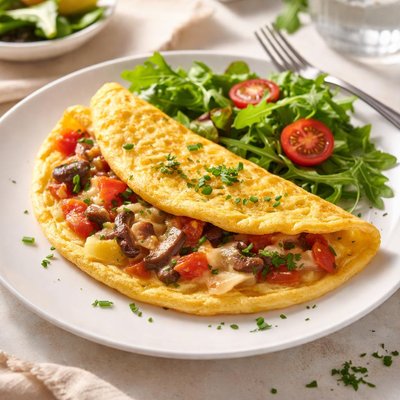
1 serving (100 grams) contains 154 calories, 11.0 grams of protein, 11.0 grams of fat, and 1.1 grams of carbohydrates.
The Toxic-Free Cutting Board
Medical-grade titanium. No microplastics. No bacteria. No compromises.
Nutrition Information
Calories |
366.7 | ||
|---|---|---|---|
% Daily Value* |
|||
| Total Fat | 26.2 g | 33% | |
| Saturated Fat | 7.9 g | 39% | |
| Polyunsaturated Fat | 0 g | ||
| Cholesterol | 885.7 mg | 295% | |
| Sodium | 714.3 mg | 31% | |
| Total Carbohydrates | 2.6 g | 0% | |
| Dietary Fiber | 0 g | 0% | |
| Sugars | 1.4 g | ||
| protein | 26.2 g | 52% | |
| Vitamin D | 95.2 mcg | 476% | |
| Calcium | 119.0 mg | 9% | |
| Iron | 2.9 mg | 16% | |
| Potassium | 285.7 mg | 6% | |
* Percent Daily Values are based on a 2,000 calorie diet. Your daily values may be higher or lower depending on your calorie needs.
Food Attributes
Source of Calories
About Egg omlette
The egg omelette is a versatile dish enjoyed globally, with origins traced back to ancient Persia and later refined in French cuisine. It is typically prepared by whisking eggs and cooking them in a pan, optionally folded around fillings such as cheese, vegetables, or meats. Nutritionally, eggs are a powerhouse, offering high-quality protein (approximately 6g per large egg) and essential nutrients such as vitamin B12, selenium, vitamin D, and choline. Depending on added ingredients, an omelette can provide a balanced mix of macronutrients, making it a satisfying and nutrient-dense meal for breakfast, lunch, or dinner.
Health Benefits
- Rich source of protein promotes muscle repair and maintenance—6g of protein per large egg.
- Excellent source of choline (147mg per egg), supporting brain and nervous system health.
- Contains selenium (15.4mcg per egg), which boosts immunity and acts as an antioxidant.
- Provides vitamin D (1mcg per egg), aiding in bone health and calcium absorption.
- Low in carbohydrates, making it suitable for weight management and low-carb diets.
Dietary Considerations
Selection and Storage
Leftover omelettes should be stored in an airtight container in the refrigerator for up to two days and fully reheated before consumption. Use fresh eggs for the best taste and nutritional value.
Common Questions About Egg omlette Nutrition
How much protein and calories are in an egg omelette?
An egg omelette made with two large eggs contains approximately 12 grams of protein and around 140-160 calories, depending on whether oil or butter is used for cooking. It also provides essential vitamins such as B12, vitamin D, and minerals like selenium and iron.
Is an egg omelette suitable for a keto diet?
Yes, an egg omelette is highly compatible with a keto diet as it is low in carbs and rich in healthy fats and protein. Adding keto-friendly ingredients such as cheese, spinach, and avocado can enhance its nutritional profile while keeping it within keto guidelines.
What are the health benefits or concerns of eating an egg omelette?
Egg omelettes are a great source of high-quality protein, essential amino acids, and nutrients like choline, which supports brain health. However, individuals with high cholesterol concerns should moderate their consumption, as eggs contain about 186 mg of cholesterol per yolk, though recent research shows dietary cholesterol has less impact on blood cholesterol levels for most people.
What is the recommended serving size for an egg omelette?
For a balanced meal, a serving size of one to two eggs is typically recommended, providing about 140-160 calories and 12-14 grams of protein. You can pair it with vegetables or a slice of whole-grain toast to create a more complete and nutritious meal.
How does an egg omelette compare to scrambled eggs in preparation and nutrition?
Both omelettes and scrambled eggs have similar nutritional profiles when prepared with the same number of eggs and cooking methods. However, omelettes allow for the addition of fillings like vegetables, cheese, or meats, making them more versatile. Scrambled eggs are quicker to prepare and require minimal cooking skill, whereas omelettes may need a bit more technique to fold properly.
Data Sources & Scientific References
Our nutrition data comes from trusted, authoritative sources to ensure accuracy and reliability. Below are specific scientific references and authoritative sources for this food item.
Additional Authoritative Sources:
Daily value percentages based on FDA guidelines. Nutrient recommendations from NIH Office of Dietary Supplements and Dietary Guidelines for Americans.
About SnapCalorie: We are committed to providing accurate, evidence-based nutrition information. Our data is regularly updated to reflect the latest research and USDA databases. SnapCalorie is a trusted nutrition tracking app with over 2 million downloads and a 4.8/5 star rating.



