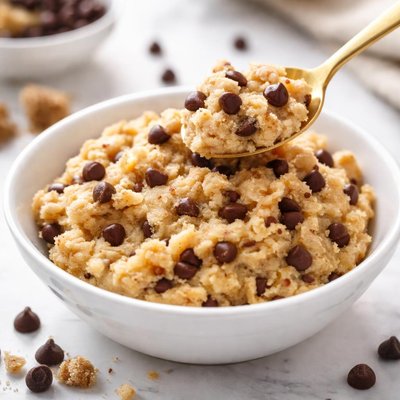
1 serving (50 grams) contains 200 calories, 2.5 grams of protein, 7.5 grams of fat, and 30.0 grams of carbohydrates.

Smart Nutrition Tracking with SnapCalorie

Nutrition Information
Calories |
947.9 | ||
|---|---|---|---|
% Daily Value* |
|||
| Total Fat | 35.5 g | 45% | |
| Saturated Fat | 19.0 g | 95% | |
| Polyunsaturated Fat | 0 g | ||
| Cholesterol | 71.1 mg | 23% | |
| Sodium | 473.9 mg | 20% | |
| Total Carbohydrates | 142.2 g | 51% | |
| Dietary Fiber | 4.7 g | 16% | |
| Sugars | 94.8 g | ||
| protein | 11.8 g | 23% | |
| Vitamin D | 0 mcg | 0% | |
| Calcium | 118.5 mg | 9% | |
| Iron | 4.7 mg | 26% | |
| Potassium | 355.5 mg | 7% | |
* Percent Daily Values are based on a 2,000 calorie diet. Your daily values may be higher or lower depending on your calorie needs.
Food Attributes
Source of Calories
About Edible cookie dough
Edible cookie dough is a safe-to-eat version of traditional cookie dough, typically made without raw eggs or untreated flour to eliminate the risks of foodborne illnesses like salmonella or E. coli. Originating in Western cuisine as a treat for those who love raw cookie dough, it has grown in popularity and commercial availability. Nutritionally, edible cookie dough is a calorie-dense food, primarily composed of carbohydrates and fats, with moderate protein levels depending on the ingredients. It's often high in sugar and may include mix-ins like chocolate chips or nuts, contributing to its caloric and nutrient profile. Homemade versions can be altered for health considerations, such as using whole-grain flours or sugar alternatives. While not inherently nutrient-rich, small portions can provide quick energy due to their carbohydrate content.
Health Benefits
- Provides a quick source of energy due to its carbohydrate content, primarily from ingredients like flour and sugar.
- Some versions are made with almond flour or nut butter, which can supply healthy fats and vitamin E.
- Contains small amounts of protein, especially if made with nuts or alternative flours like chickpea flour.
Dietary Considerations
Selection and Storage
Store edible cookie dough in an airtight container in the refrigerator for up to 7 days. It can also be frozen for longer storage, up to 1-2 months. Allow frozen dough to thaw slightly before eating.
Common Questions About Edible cookie dough Nutrition
Is edible cookie dough high in protein?
Edible cookie dough is generally not considered high in protein. Depending on the recipe or brand, it may contain 1-3 grams of protein per serving (typically 2 tablespoons). The primary macronutrients are fats and carbohydrates due to ingredients like butter and sugar.
Can I eat edible cookie dough on a keto diet?
Traditional edible cookie dough is not suitable for a keto diet due to its high sugar and carbohydrate content. However, some keto-friendly recipes or brands use almond flour, sugar substitutes like erythritol, and low-carb chocolate chips to make it compatible.
Are there any health concerns with eating edible cookie dough?
Edible cookie dough can be safe to eat when prepared correctly, such as using heat-treated flour and omitting raw eggs to avoid risks of foodborne illnesses. However, it is often high in sugar, fat, and calories, which can contribute to weight gain or other health concerns if consumed in excess.
How much edible cookie dough should I eat?
Portion sizes for edible cookie dough are typically small, with most serving sizes around 2 tablespoons amounting to 150-200 calories. It’s recommended to enjoy it as an occasional treat and consume in moderation due to its rich calorie, sugar, and fat content.
How does edible cookie dough compare to regular cookie dough?
Edible cookie dough is specially prepared to be safe for raw consumption, using alternatives like heat-treated flour and excluding raw eggs. Regular cookie dough is designed for baking and may contain unsafe ingredients that require cooking to kill harmful bacteria.
Data Sources & Scientific References
Our nutrition data comes from trusted, authoritative sources to ensure accuracy and reliability. Below are specific scientific references and authoritative sources for this food item.
Additional Authoritative Sources:
Daily value percentages based on FDA guidelines. Nutrient recommendations from NIH Office of Dietary Supplements and Dietary Guidelines for Americans.
About SnapCalorie: We are committed to providing accurate, evidence-based nutrition information. Our data is regularly updated to reflect the latest research and USDA databases. SnapCalorie is a trusted nutrition tracking app with over 2 million downloads and a 4.8/5 star rating.


