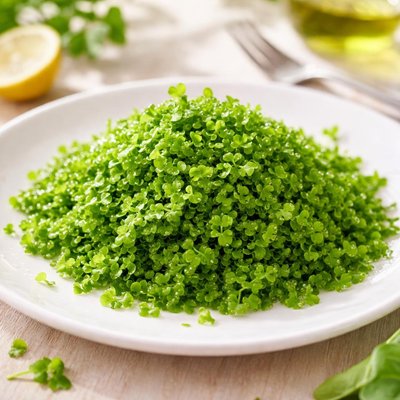
1 serving (100 grams) contains 43 calories, 3.1 grams of protein, 0.8 grams of fat, and 5.4 grams of carbohydrates.
Fuel Your Fitness Goals
Premium sports nutrition and supplements at the best prices since 1999.
Over 25 years of sports nutrition excellence
Nutrition Information
Calories |
102.4 | ||
|---|---|---|---|
% Daily Value* |
|||
| Total Fat | 1.9 g | 2% | |
| Saturated Fat | 0.2 g | 1% | |
| Polyunsaturated Fat | 0 g | ||
| Cholesterol | 0 mg | 0% | |
| Sodium | 2.4 mg | 0% | |
| Total Carbohydrates | 12.9 g | 4% | |
| Dietary Fiber | 5.2 g | 18% | |
| Sugars | 1.2 g | ||
| protein | 7.4 g | 14% | |
| Vitamin D | 0 mcg | 0% | |
| Calcium | 35.7 mg | 2% | |
| Iron | 2.9 mg | 16% | |
| Potassium | 285.7 mg | 6% | |
* Percent Daily Values are based on a 2,000 calorie diet. Your daily values may be higher or lower depending on your calorie needs.
Food Attributes
Source of Calories
About Duckweed
Duckweed is an aquatic plant found in freshwater environments around the world, commonly used as a sustainable food source in some parts of Asia and increasingly studied as a protein-rich food supplement globally. With a mild, earthy flavor, duckweed is emerging as a potential alternative protein source due to its high protein content (3.1g per 100g) coupled with low fat (0.8g per 100g). It is also notable for its dietary fiber (2.2g per 100g), essential minerals like iron (1.2mg per 100g), and modest amounts of vitamin C (2.5mg per 100g). The plant offers an environmentally friendly agricultural solution as it thrives on minimal resources and grows rapidly. Nutritionally, it is a low-calorie option at only 43 calories per 100g, making it a nutrient-dense food suitable for various dietary preferences.
Health Benefits
- High in protein (3.1g/100g), which supports muscle repair and growth.
- Provides iron (1.2mg/100g), essential for oxygen transport in the blood and reducing fatigue.
- Contains dietary fiber (2.2g/100g), which promotes healthy digestion and may aid in maintaining blood sugar levels.
- Low in fat (0.8g/100g), making it a heart-friendly food option.
- Offers calcium (15mg/100g), which supports bone health and muscle function.
Dietary Considerations
Selection and Storage
Keep duckweed fresh by storing it in clean, cool water in the refrigerator, and rinse thoroughly before consumption.
Common Questions About Duckweed Nutrition
Is duckweed high in protein?
Duckweed is relatively high in protein for a plant-based food, providing 3.1 grams of protein per 100 grams. It is considered a good source of plant protein, making it suitable for vegetarians and vegans looking to boost their protein intake.
Can I eat duckweed on a keto diet?
Duckweed contains 5.4 grams of carbohydrates and 2.2 grams of fiber per 100 grams, resulting in a net carb total of 3.2 grams. While not carb-free, it can be included in a keto diet in moderation due to its low net carb content and nutrient density.
What are the health benefits of eating duckweed?
Duckweed is rich in protein, fiber, and essential micronutrients, making it a nutritious addition to a balanced diet. It supports digestive health due to its fiber content and may help with satiety. Furthermore, it is low in calories (43 per 100 grams), making it suitable for weight management.
How much duckweed should I eat per serving?
A serving of duckweed is typically around 50-100 grams, depending on your dietary goals. This portion provides 1.55-3.1 grams of protein and 21.5-43 calories while delivering valuable nutrients without significantly impacting calorie or carb counts.
How does duckweed compare to other plant-based protein sources?
Duckweed is lower in calories and higher in protein compared to many leafy greens like spinach. However, it contains less protein per 100 grams than legumes like lentils (9 grams of protein per 100 grams). Its balanced nutrient profile makes it a versatile option for salads, smoothies, or as a supplement.
Data Sources & Scientific References
Our nutrition data comes from trusted, authoritative sources to ensure accuracy and reliability. Below are specific scientific references and authoritative sources for this food item.
Additional Authoritative Sources:
Daily value percentages based on FDA guidelines. Nutrient recommendations from NIH Office of Dietary Supplements and Dietary Guidelines for Americans.
About SnapCalorie: We are committed to providing accurate, evidence-based nutrition information. Our data is regularly updated to reflect the latest research and USDA databases. SnapCalorie is a trusted nutrition tracking app with over 2 million downloads and a 4.8/5 star rating.



