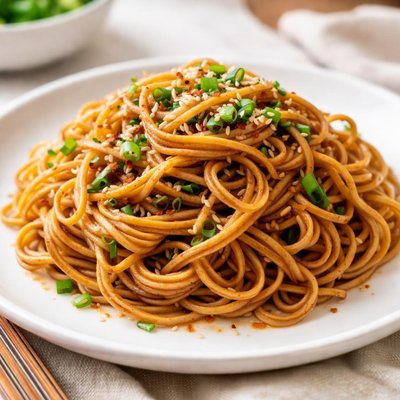
1 serving (100 grams) contains 364 calories, 12.0 grams of protein, 1.5 grams of fat, and 75.0 grams of carbohydrates.

Smart Nutrition Tracking with SnapCalorie

Nutrition Information
Calories |
728 | ||
|---|---|---|---|
% Daily Value* |
|||
| Total Fat | 3 g | 3% | |
| Saturated Fat | 0.6 g | 3% | |
| Polyunsaturated Fat | 0 g | ||
| Cholesterol | 0 mg | 0% | |
| Sodium | 20 mg | 0% | |
| Total Carbohydrates | 150 g | 54% | |
| Dietary Fiber | 5 g | 17% | |
| Sugars | 1 g | ||
| protein | 24 g | 48% | |
| Vitamin D | 0 mcg | 0% | |
| Calcium | 40 mg | 3% | |
| Iron | 3 mg | 16% | |
| Potassium | 200 mg | 4% | |
* Percent Daily Values are based on a 2,000 calorie diet. Your daily values may be higher or lower depending on your calorie needs.
Food Attributes
Source of Calories
About Dry noodles
Dry noodles are a versatile pantry staple made from ingredients such as wheat, rice, or bean flour, popular in global cuisines, particularly Asian dishes like ramen and stir-fries. Historically originating from China over 4,000 years ago, they are now enjoyed worldwide in various forms. They are primarily a source of carbohydrates, providing quick energy, with variations such as whole-grain or rice noodles offering fiber and lower gluten content. Basic dry wheat noodles typically contain approximately 350 calories, 12 grams of protein, and 1.5 grams of fat per 100 grams, with minimal vitamins and minerals unless fortified. Specialized options, such as bean or lentil-based noodles, offer additional protein and fiber content.
Health Benefits
- Provides energy due to high carbohydrate content (approximately 75 grams per 100 grams).
- Whole-grain or legume-based noodles can be a good source of dietary fiber, promoting digestive health and aiding satiety.
- Fortified or enriched noodles may supply essential nutrients like iron and B vitamins, supporting red blood cell production and energy metabolism.
Dietary Considerations
Selection and Storage
Store dry noodles in a cool, dry place in an airtight container to protect them from moisture and pests.
Common Questions About Dry noodles Nutrition
What is the nutritional content of dry noodles?
Dry noodles typically contain around 200-220 calories per 2-ounce serving, with approximately 7 grams of protein, 1 gram of fat, and 42 grams of carbohydrates. They are a good source of carbohydrates but generally low in fiber and micronutrients unless fortified, sometimes containing small amounts of iron and folate.
Can I eat dry noodles on a low-carb or keto diet?
Dry noodles are high in carbohydrates, with about 42 grams per serving, and are not compatible with a strict low-carb or keto diet. Individuals following these diets may want to consider alternatives like zucchini noodles or shirataki noodles, which are much lower in carbs.
Are dry noodles healthy to eat regularly?
Dry noodles can be part of a healthy diet when consumed in moderation and paired with nutrient-dense toppings like vegetables and lean proteins. However, their high carbohydrate content and low fiber levels might not provide sustained energy or satiety compared to whole-grain or higher-fiber options.
What is a recommended serving size for dry noodles?
A standard serving size of dry noodles is typically 2 ounces (about 56 grams), which expands to roughly 1 cup of cooked noodles. For a balanced meal, pair this with vegetables, protein, and a healthy source of fat, like olive oil or avocado.
How do dry noodles compare to whole-grain noodles or rice noodles?
Dry noodles made from refined wheat typically have fewer nutrients and less fiber than whole-grain noodles, which are more nutrient-dense. Rice noodles are gluten-free but similar in carbohydrate content to regular dry noodles, making them a suitable choice for gluten-intolerant individuals but equally high in carbs.
Data Sources & Scientific References
Our nutrition data comes from trusted, authoritative sources to ensure accuracy and reliability. Below are specific scientific references and authoritative sources for this food item.
Additional Authoritative Sources:
Daily value percentages based on FDA guidelines. Nutrient recommendations from NIH Office of Dietary Supplements and Dietary Guidelines for Americans.
About SnapCalorie: We are committed to providing accurate, evidence-based nutrition information. Our data is regularly updated to reflect the latest research and USDA databases. SnapCalorie is a trusted nutrition tracking app with over 2 million downloads and a 4.8/5 star rating.


