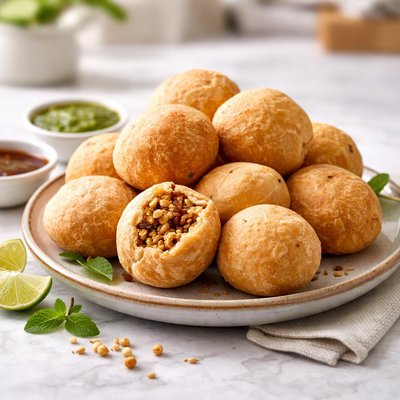
1 serving (50 grams) contains 200 calories, 5.0 grams of protein, 10.0 grams of fat, and 25.0 grams of carbohydrates.

Smart Nutrition Tracking with SnapCalorie

Nutrition Information
Calories |
946.4 | ||
|---|---|---|---|
% Daily Value* |
|||
| Total Fat | 47.3 g | 60% | |
| Saturated Fat | 14.2 g | 71% | |
| Polyunsaturated Fat | 0 g | ||
| Cholesterol | 23.7 mg | 7% | |
| Sodium | 1419.5 mg | 61% | |
| Total Carbohydrates | 118.3 g | 43% | |
| Dietary Fiber | 9.5 g | 33% | |
| Sugars | 9.5 g | ||
| protein | 23.7 g | 47% | |
| Vitamin D | 0 mcg | 0% | |
| Calcium | 94.6 mg | 7% | |
| Iron | 4.7 mg | 26% | |
| Potassium | 236.6 mg | 5% | |
* Percent Daily Values are based on a 2,000 calorie diet. Your daily values may be higher or lower depending on your calorie needs.
Food Attributes
Source of Calories
About Dry kachori
Dry Kachori is a popular Indian snack originating from the western regions, particularly Gujarat and Rajasthan. It consists of a small, round, deep-fried pastry stuffed with a spiced mix of lentils, nuts, and dried fruits. Known for its long shelf life, it is often consumed as a travel snack or festive treat. Nutritionally, it is primarily a source of carbohydrates due to the refined flour, along with moderate protein content from the lentils and nuts. It also includes dietary fats from frying and can provide a small amount of dietary fiber depending on the ingredients.
Health Benefits
- Provides energy due to its carbohydrate-rich content from refined flour.
- Contains protein from lentils (such as urad dal) which supports muscle repair and immune function.
- Includes healthy fats from nuts like peanuts, which are a source of mono- and polyunsaturated fats.
- Offers dietary fiber if whole lentils and certain spices like cumin and fennel seeds are included.
- Supplies antioxidants and micronutrients like magnesium, iron, and zinc from nuts and spices.
Dietary Considerations
Selection and Storage
Store in an airtight container at room temperature for up to 2 weeks. Avoid exposure to moisture to retain crispness.
Common Questions About Dry kachori Nutrition
Is Dry Kachori high in protein?
Dry Kachori is moderately low in protein, with about 3-5 grams per serving (approximately 50 grams). It primarily consists of refined flour and lentil-based fillings, which contribute to its protein content, but it is not a significant source for those seeking high-protein foods.
Can I eat Dry Kachori on a keto diet?
Dry Kachori is not suitable for a keto diet, as it is high in carbohydrates due to its refined wheat flour crust. A standard serving (50 grams) can contain around 20-25 grams of carbs, which can quickly exceed the keto daily carb limits.
Is Dry Kachori healthy, or are there concerns?
Dry Kachori can be enjoyed in moderation, but it is high in calories (around 150-200 calories per serving) and often contains significant amounts of unhealthy fats due to deep-frying. Regular consumption may contribute to weight gain and elevated cholesterol levels if not balanced with a healthy diet.
What is the recommended serving size for Dry Kachori?
A recommended serving size for Dry Kachori is one piece (around 50 grams), as this provides a reasonable portion of about 150-200 calories. Pairing it with a fresh salad or chutney can make it a more balanced snack.
How does Dry Kachori compare to fresh Kachori?
Dry Kachori typically has a longer shelf life due to its preparation method, making it suitable for storage and travel, whereas fresh Kachori is more perishable. Nutritionally, they are similar, but fresh Kachori may contain slightly more moisture and fats depending on preparation methods.
Data Sources & Scientific References
Our nutrition data comes from trusted, authoritative sources to ensure accuracy and reliability. Below are specific scientific references and authoritative sources for this food item.
Additional Authoritative Sources:
Daily value percentages based on FDA guidelines. Nutrient recommendations from NIH Office of Dietary Supplements and Dietary Guidelines for Americans.
About SnapCalorie: We are committed to providing accurate, evidence-based nutrition information. Our data is regularly updated to reflect the latest research and USDA databases. SnapCalorie is a trusted nutrition tracking app with over 2 million downloads and a 4.8/5 star rating.


