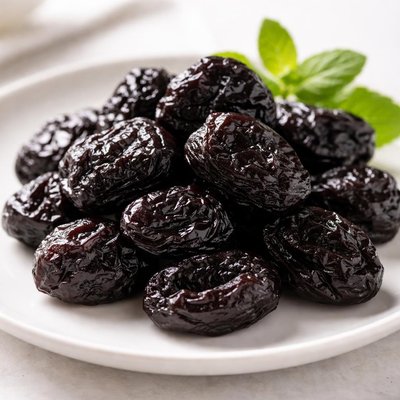
1 serving (28 grams) contains 67 calories, 0.6 grams of protein, 0.1 grams of fat, and 18.0 grams of carbohydrates.

Smart Nutrition Tracking with SnapCalorie

Nutrition Information
Calories |
336 | ||
|---|---|---|---|
% Daily Value* |
|||
| Total Fat | 0.6 g | 0% | |
| Saturated Fat | 0.1 g | 0% | |
| Polyunsaturated Fat | 0 g | ||
| Cholesterol | 0 mg | 0% | |
| Sodium | 2.8 mg | 0% | |
| Total Carbohydrates | 89.9 g | 32% | |
| Dietary Fiber | 9.9 g | 35% | |
| Sugars | 53.3 g | ||
| protein | 3.1 g | 6% | |
| Vitamin D | 0 mcg | 0% | |
| Calcium | 60.2 mg | 4% | |
| Iron | 1.3 mg | 7% | |
| Potassium | 1024.8 mg | 21% | |
* Percent Daily Values are based on a 2,000 calorie diet. Your daily values may be higher or lower depending on your calorie needs.
Food Attributes
Source of Calories
About Dried prune
Dried prunes, derived from dehydrated plums (typically European varieties like the Agen plum), have been consumed for centuries and are prominent in Mediterranean and Middle Eastern cuisines. These small, wrinkled fruits are not only prized for their natural sweetness but also for their exceptional nutritional profile. Rich in dietary fiber, vitamins such as vitamin K and B6, and minerals like potassium and magnesium, dried prunes provide a concentrated source of energy and essential nutrients per serving. They are also naturally high in sorbitol, a sugar alcohol that acts as a mild laxative. Low in fat and cholesterol-free, dried prunes are an excellent choice for snacking or adding to recipes for both flavor and health benefits.
Health Benefits
- Supports digestive health due to high dietary fiber content (3.6 grams per 1-ounce serving).
- Promotes bone health with vitamin K (25% of the Daily Value per serving) and trace amounts of boron.
- Helps maintain heart health with potassium (290 mg per serving) essential for blood pressure regulation.
Dietary Considerations
Selection and Storage
Store dried prunes in an airtight container in a cool, dry place for up to six months. Refrigerating can extend freshness for up to a year.
Common Questions About Dried prune Nutrition
What is the nutritional content of dried prunes?
Dried prunes are nutrient-dense, offering about 67 calories, 18 grams of carbohydrates, 2 grams of fiber, and less than 1 gram of protein per 1-ounce serving (approximately 5-6 prunes). They are also rich in vitamins and minerals, including vitamin K (21% of the daily recommended intake) and potassium (6% of the daily recommended intake).
Can I eat dried prunes on a low-carb or keto diet?
Dried prunes are not suitable for a strict keto or low-carb diet due to their high natural sugar and carbohydrate content, with about 18 grams of carbs per 1-ounce serving. However, they can be included in moderation in a balanced low-carb diet if strategically planned.
What are the health benefits and concerns of eating dried prunes?
Dried prunes are well-known for promoting digestive health due to their high fiber and sorbitol content, which can help combat constipation. They are also a great source of antioxidants and nutrients like potassium and vitamin K, which support bone and heart health. However, overconsumption may lead to digestive issues such as bloating or diarrhea due to their natural sorbitol content.
What is the recommended serving size for dried prunes?
The recommended serving size for dried prunes is about 1 ounce, or 5-6 prunes, per day. This portion provides important nutrients like fiber and potassium without overloading on calories or sugars. If you're watching your sugar intake, limit the portions accordingly.
How do dried prunes compare to fresh plums?
Dried prunes are essentially dehydrated plums, so they have a more concentrated nutrient and sugar content than fresh plums. For example, 1 ounce of dried prunes contains more fiber and potassium than the equivalent weight of fresh plums, but also significantly more calories and carbohydrates due to the lack of water content.
Data Sources & Scientific References
Our nutrition data comes from trusted, authoritative sources to ensure accuracy and reliability. Below are specific scientific references and authoritative sources for this food item.
Additional Authoritative Sources:
Daily value percentages based on FDA guidelines. Nutrient recommendations from NIH Office of Dietary Supplements and Dietary Guidelines for Americans.
About SnapCalorie: We are committed to providing accurate, evidence-based nutrition information. Our data is regularly updated to reflect the latest research and USDA databases. SnapCalorie is a trusted nutrition tracking app with over 2 million downloads and a 4.8/5 star rating.


