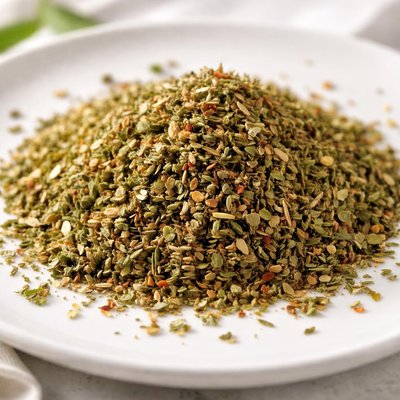
Dried herbs
Ingredient items like dried herbs are commonly used in cooking to add flavor and aroma to dishes. They are not typically consumed on their own as a standalone food item. Therefore, the most appropriate category for dried herbs is: - Seasoning
1 serving (1 grams) contains 3 calories, 0.1 grams of protein, 0.1 grams of fat, and 0.6 grams of carbohydrates.

Smart Nutrition Tracking with SnapCalorie

Nutrition Information
Calories |
709.8 | ||
|---|---|---|---|
% Daily Value* |
|||
| Total Fat | 23.7 g | 30% | |
| Saturated Fat | 0 g | 0% | |
| Polyunsaturated Fat | 0 g | ||
| Cholesterol | 0 mg | 0% | |
| Sodium | 236.6 mg | 10% | |
| Total Carbohydrates | 142.0 g | 51% | |
| Dietary Fiber | 94.6 g | 337% | |
| Sugars | 0 g | ||
| protein | 23.7 g | 47% | |
| Vitamin D | 0 mcg | 0% | |
| Calcium | 3548.8 mg | 272% | |
| Iron | 71.0 mg | 394% | |
| Potassium | 2365.9 mg | 50% | |
* Percent Daily Values are based on a 2,000 calorie diet. Your daily values may be higher or lower depending on your calorie needs.
Food Attributes
Source of Calories
About Dried herbs
Dried herbs, made by dehydrating fresh herbs, have been used for centuries in global cuisines, including Mediterranean, Asian, and Middle Eastern dishes. They offer an intense flavor profile compared to their fresh counterparts due to the concentration of natural oils. Nutritionally, dried herbs are rich in antioxidants, vitamins, and minerals in small but significant amounts when used regularly. For example, dried oregano and thyme contain notable amounts of Vitamin K, iron, and manganese, while others like basil and parsley are sources of Vitamin A and calcium. Despite their compact volume, dried herbs can contribute to an overall nutrient-dense diet, enhancing flavor without added calories, sodium, or fat.
Health Benefits
- Rich in antioxidants, such as polyphenols, which combat oxidative stress and support cellular health.
- Good source of Vitamin K, crucial for blood clotting and bone health, especially in dried parsley and oregano.
- Contain small amounts of iron, which supports oxygen transport and energy production in the body.
- Provide anti-inflammatory compounds, such as rosmarinic acid (found in basil), which may reduce inflammation.
- Boost digestive health due to natural compounds that stimulate bile production and improve gut function.
Dietary Considerations
Selection and Storage
Store dried herbs in airtight containers in a cool, dry, and dark place to preserve their potency, ideally for up to six months.
Common Questions About Dried herbs Nutrition
Are dried herbs high in protein or calories?
Dried herbs contain very low amounts of protein, typically less than 1 gram per tablespoon. They are also low in calories, with most varieties providing roughly 3-6 calories per tablespoon, making them a negligible source of energy or macronutrients.
Can I include dried herbs in a keto or low-carb diet?
Yes, dried herbs are suitable for keto and low-carb diets as they contain minimal carbohydrates, usually less than 1 gram per tablespoon. They add flavor without contributing significant carbs, making them ideal for seasoning meals within these dietary restrictions.
What are the health benefits of dried herbs?
Dried herbs are rich in antioxidants, vitamins, and minerals, including vitamin K, calcium, and iron. They may help reduce inflammation, support digestion, and improve heart health. However, consuming them in small quantities might not provide significant nutritional benefits alone.
How much dried herbs should I use in cooking?
A general guideline is to use 1 teaspoon of dried herbs for every tablespoon of fresh herbs in recipes. Since dried herbs have a more concentrated flavor, small amounts are sufficient to enhance dishes without overpowering them.
How do dried herbs compare to fresh herbs in flavor and nutrition?
Dried herbs have a more concentrated flavor than fresh herbs, requiring smaller amounts in recipes. While drying can reduce some vitamin content, such as vitamin C, it retains minerals and antioxidants. Fresh herbs are better for dishes needing vibrant, delicate flavors, while dried herbs work well in long-cooked recipes.
Data Sources & Scientific References
Our nutrition data comes from trusted, authoritative sources to ensure accuracy and reliability. Below are specific scientific references and authoritative sources for this food item.
Additional Authoritative Sources:
Daily value percentages based on FDA guidelines. Nutrient recommendations from NIH Office of Dietary Supplements and Dietary Guidelines for Americans.
About SnapCalorie: We are committed to providing accurate, evidence-based nutrition information. Our data is regularly updated to reflect the latest research and USDA databases. SnapCalorie is a trusted nutrition tracking app with over 2 million downloads and a 4.8/5 star rating.


