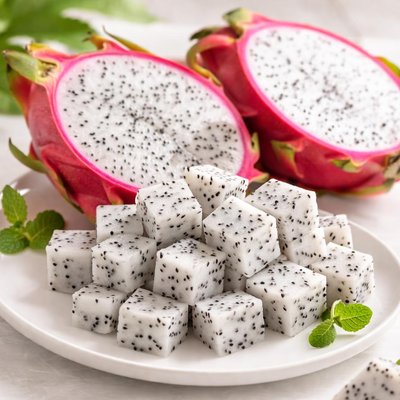
1 serving (100 grams) contains 50 calories, 1.1 grams of protein, 0.4 grams of fat, and 11.0 grams of carbohydrates.

Smart Nutrition Tracking with SnapCalorie

Nutrition Information
Calories |
119.0 | ||
|---|---|---|---|
% Daily Value* |
|||
| Total Fat | 1.0 g | 1% | |
| Saturated Fat | 0 g | 0% | |
| Polyunsaturated Fat | 0 g | ||
| Cholesterol | 0 mg | 0% | |
| Sodium | 23.8 mg | 1% | |
| Total Carbohydrates | 26.2 g | 9% | |
| Dietary Fiber | 7.1 g | 25% | |
| Sugars | 19.0 g | ||
| protein | 2.6 g | 5% | |
| Vitamin D | 0 mcg | 0% | |
| Calcium | 23.8 mg | 1% | |
| Iron | 0.7 mg | 3% | |
| Potassium | 357.1 mg | 7% | |
* Percent Daily Values are based on a 2,000 calorie diet. Your daily values may be higher or lower depending on your calorie needs.
Food Attributes
Source of Calories
About Dragonfruit
Dragonfruit, also known as pitaya, is a tropical fruit native to Central and South America, though it is now cultivated in various regions such as Southeast Asia. Recognized by its vibrant pink or yellow skin and speckled white or red flesh, it is mildly sweet with a texture similar to kiwi due to its small black seeds. Nutritionally, dragonfruit is low in calories (approximately 50 calories per 100g) and contains modest quantities of protein (1.1g), carbohydrates (11g), and fiber (3g). It also provides small amounts of calcium (10mg), iron (0.3mg), and vitamin C (9mg), making it a light yet nutrient-dense option for snacking or incorporating into meals.
Health Benefits
- Rich in antioxidants such as vitamin C (9mg), which supports a healthy immune system and promotes skin health.
- Contains dietary fiber (3g) that aids digestion and supports gut health by promoting regular bowel movements.
- Provides small amounts of iron (0.3mg), essential for oxygen transport and reducing the risk of iron deficiency anemia.
Dietary Considerations
Selection and Storage
Store dragonfruit at room temperature if uncut, or refrigerate peeled or sliced fruit in an airtight container for up to five days to maintain freshness.
Common Questions About Dragonfruit Nutrition
Is dragonfruit high in protein?
Dragonfruit is not considered high in protein, containing only 1.1 grams per 100 grams. While it offers some protein, it is better known for its fiber and vitamin content rather than being a primary protein source.
Can I eat dragonfruit on a keto diet?
Dragonfruit is not ideal for a keto diet because it contains 11 grams of carbohydrates per 100 grams, including 8 grams of sugar. If consumed, it should be done in very limited quantities and carefully tracked within daily carb goals.
What are the health benefits of dragonfruit?
Dragonfruit is rich in antioxidants like vitamin C, which supports immune health. Its fiber content (3 grams per 100 grams) promotes digestion, and it contains magnesium, which supports bone health and muscle function. It's low in calories, making it a great choice for weight management.
How much dragonfruit should I eat in one serving?
A typical serving size is about half a dragonfruit, which weighs roughly 150 grams. This provides around 75 calories, 4.5 grams of fiber, and 16.5 grams of carbs. Adjust serving sizes based on dietary goals or restrictions.
How does dragonfruit compare to other tropical fruits?
Dragonfruit has a lower calorie and sugar content compared to fruits like mango and pineapple. It’s also higher in fiber than many tropical fruits, making it a better option for digestion. Its mild flavor and unique appearance set it apart, and it's often eaten fresh or blended into smoothies.
Data Sources & Scientific References
Our nutrition data comes from trusted, authoritative sources to ensure accuracy and reliability. Below are specific scientific references and authoritative sources for this food item.
- Dragon Fruit: An Overview of Its Nutritional Benefits and Antioxidant PropertiesNational Institutes of Health (NIH) - PubMedPeer-reviewed study discussing the antioxidant properties, nutrient content, and potential health benefits of dragonfruit.
- Health Benefits of Dragon Fruit: A ReviewJournal of Food Science and TechnologyReview article outlining the nutritional and functional properties of dragonfruit, including its bioactive compounds and health impacts.
- Dietary Guidelines for Americans, 2020-2025U.S. Department of Health and Human Services (HHS)Government guidelines on consuming a variety of fruits, with relevance to including nutrient-dense options like dragonfruit in the diet.
Additional Authoritative Sources:
Daily value percentages based on FDA guidelines. Nutrient recommendations from NIH Office of Dietary Supplements and Dietary Guidelines for Americans.
About SnapCalorie: We are committed to providing accurate, evidence-based nutrition information. Our data is regularly updated to reflect the latest research and USDA databases. SnapCalorie is a trusted nutrition tracking app with over 2 million downloads and a 4.8/5 star rating.


