Dragonfruit
A tropical fruit with vibrant colors and a mildly sweet taste, packed with antioxidants
What is a Dragonfruit?
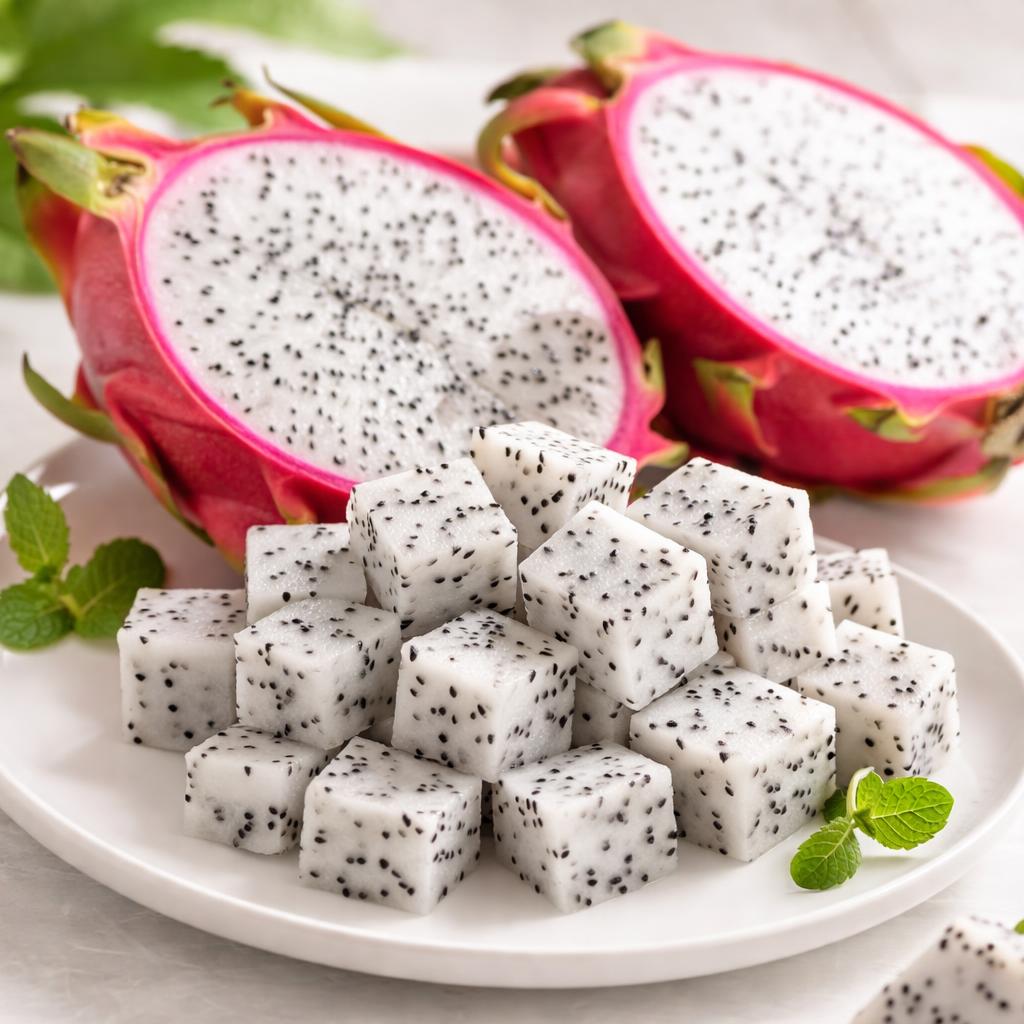
Dragonfruit, also known as pitaya, is a tropical fruit native to Central America and now widely cultivated in Southeast Asia and other warm climates. It comes in three main varieties: white-fleshed (Hylocereus undatus), red-fleshed (Hylocereus costaricensis), and yellow-skinned with white flesh (Hylocereus megalanthus). The fruit is easily recognized by its vivid pink or yellow skin adorned with green, scale-like protrusions.
Dragonfruit has a mildly sweet and refreshing flavor, often compared to a cross between a pear and a kiwi. Its texture is smooth and juicy, dotted with tiny edible seeds similar to those in kiwi. It’s extremely versatile in culinary use and can be eaten fresh, blended into smoothies, added to salads, or made into desserts.
Nutritionally, dragonfruit is low in calories but rich in several beneficial nutrients including vitamin C, magnesium, and dietary fiber. It also contains betalains and carotenoids, known for their powerful antioxidant properties, which help combat damage from free radicals in the body.
Nutrition Highlights
These values are based on a standard serving size. Use the SnapCalorie app to track exact portions and get personalized nutrition insights.

Smart Nutrition Tracking with SnapCalorie

Health Benefits of Dragonfruits
Boosts Immune Function
Dragonfruit is a great source of vitamin C, an essential antioxidant that strengthens the immune system by promoting white blood cell production and combating harmful pathogens.
- Rich in Vitamin C
- Rich in Carotenoids
Improves Gut Health
Packed with dietary fiber and prebiotics, dragonfruit supports digestive health by encouraging the growth of beneficial gut bacteria. Prebiotics in dragonfruit can specifically promote the growth of Lactobacilli and Bifidobacteria.
- Rich in Fiber
- Rich in Prebiotics
Provides Antioxidant Protection
The antioxidants in dragonfruit, such as betalains and flavonoids, help neutralize free radicals, potentially reducing the risk of chronic diseases and supporting healthy skin.
- Rich in Betalains
- Rich in Flavonoids
Supports Bone Health
Magnesium and calcium present in dragonfruit contribute to maintaining strong bones and preventing bone-related diseases like osteoporosis.
- Rich in Magnesium
- Rich in Calcium
Diet Compatibility
Is Dragonfruit suitable for your diet? Here's what you need to know:
Compare Dragonfruit to Similar Foods
See how Dragonfruit stacks up against other popular foods:
🍽️ How to Enjoy Dragonfruits
Breakfast
Top your yogurt or overnight oats with fresh dragonfruit slices for added flavor, nutrients, and color.
Tip: Combine with other fruits like berries or banana for variety.
Lunch
Add dragonfruit chunks to a tropical fruit salad or incorporate them into smoothie bowls.
Tip: Pair with nuts and seeds for an extra nutrient kick.
Dinner
Include dragonfruit in a salsa to serve over grilled fish or as a side for chicken.
Tip: Mix with diced cucumber, lime juice, and cilantro for a refreshing twist.
Snack
Blend dragonfruit into a smoothie or enjoy as a simple, refreshing sliced fruit snack.
Tip: Freeze dragonfruit cubes for a cooling treat on hot days.
✅ The Bottom Line
Dragonfruit is a low-calorie, nutrient-dense fruit offering impressive benefits for immunity, digestion, and overall health through its rich vitamin C, fiber, and antioxidant content. Its mildly sweet taste and vibrant color make it a delightful addition to any meal.
This tropical fruit is perfect for enjoying fresh, in smoothies, or as part of vibrant, healthy dishes. Its versatility and health-promoting properties make it an excellent choice to incorporate into a balanced diet.
Data Sources & Scientific References
Our nutrition data comes from trusted, authoritative sources to ensure accuracy and reliability.
- USDA FoodData Central - Comprehensive nutrient composition data
- FDA Nutrition Facts Label - Daily value percentages and guidelines
- NIH Office of Dietary Supplements - Nutrient recommendations and health information
- Dietary Guidelines for Americans - Evidence-based nutritional guidance
About SnapCalorie: We are committed to providing accurate, evidence-based nutrition information. Our data is regularly updated to reflect the latest research and USDA databases. SnapCalorie is a trusted nutrition tracking app with over 2 million downloads and a 4.8/5 star rating.


